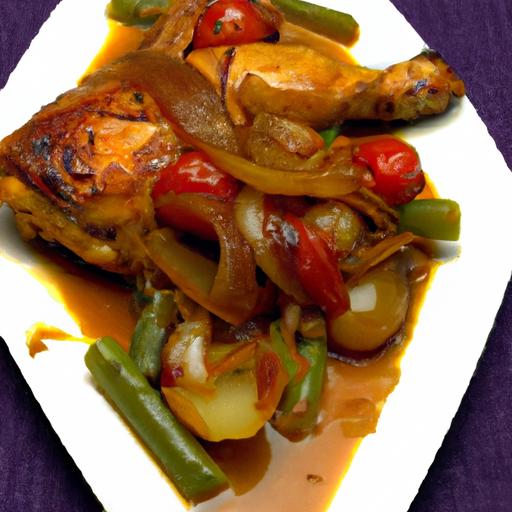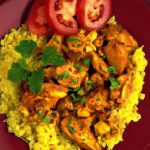

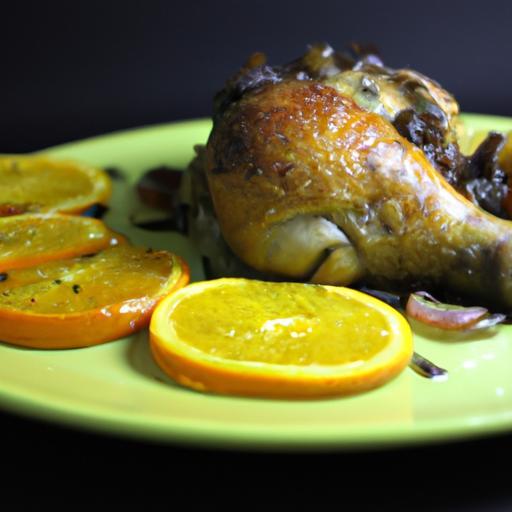
Nestled in the vibrant heart of the Indian Ocean, Reunion Island is a melting pot of cultures, each bringing its own rich heritage and flavors to the table. Among its culinary treasures, Poulet Massalé stands out-not just as a dish, but as a story simmered in spices, history, and tradition. This iconic Reunionese recipe, with its aromatic blend of massalé spice and tender chicken, is more than a mere meal; it’s a flavorful bridge connecting generations, tribes, and tales from afar. In this article,we embark on a sensory journey through the layers of Poulet massalé,uncovering how a simple plate of food carries the island’s vibrant spirit and the unforgettable stories that spices alone can tell.
reunionese Poulet Massalé is a vibrant tapestry of flavors, weaving together centuries of cultural heritage into one unforgettable dish. Rooted deeply in the Indian Ocean’s reunion Island, this dish is a celebration of spice symphonies-each carefully chosen ingredient telling a story of migration, trade, and tradition. The aromatic curry-based blend, known as Massalé, brings a perfect balance of warmth and complexity, transforming simple chicken into a tender masterpiece bursting with layers of history and taste.
Prep and Cook Time
- Readiness Time: 20 minutes
- Marinating Time: 1 hour (optional but recommended)
- Cook Time: 45 minutes
- Total Time: Approximately 1 hour 30 minutes
Yield
Serves 4 generous portions, perfect for sharing family-style.
Difficulty Level
Medium – approachable for passionate home cooks ready to embrace new spices and techniques.
Ingredients
- 1.5 lbs (700g) skinless chicken thighs, cut into bite-sized pieces
- 2 tablespoons Massalé spice blend (see note below for homemade mix)
- 3 tablespoons vegetable oil, preferably peanut or sunflower
- 1 large onion, finely sliced
- 4 garlic cloves, minced
- 1-inch piece fresh ginger, grated
- 2 medium tomatoes, chopped
- 1 cup coconut milk, full-fat for richness
- 1 small green chili, sliced (optional for heat)
- 2 sprigs fresh thyme or 1 tsp dried thyme
- Salt and freshly ground black pepper, to taste
- Fresh coriander (cilantro) leaves for garnish
Instructions
- Marinate the chicken: Toss the chicken pieces with 1 tablespoon of Massalé spice blend and a pinch of salt. Let it rest for at least 1 hour to absorb the vibrant flavors deeply.
- Sauté the aromatics: Heat the oil in a large, heavy-bottomed skillet over medium heat. Add the onion and sauté until golden and translucent, about 8 minutes. Stir occasionally to avoid burning.
- Add garlic and ginger: Incorporate the minced garlic and grated ginger,cooking for another 2 minutes until fragrant but not browned.
- Toast the spices: Stir in the remaining 1 tablespoon of Massalé spice blend along with fresh thyme. Sauté for a minute to bloom the spices-this step unlocks their full aroma and depth.
- Cook the chicken: Add marinated chicken pieces to the pan, stirring well to coat them evenly with the spice mixture. Sear until the chicken is lightly browned, about 6-8 minutes.
- Simmer with tomatoes and coconut milk: Mix in chopped tomatoes and cook until softened, roughly 5 minutes. Pour in the coconut milk, reduce heat to low, cover, and let simmer gently for 25-30 minutes, stirring occasionally. The sauce will thicken and the chicken will become tender.
- Final seasoning: Taste and adjust salt and pepper. Add sliced green chili if desired for a subtle,warming kick.
- Garnish and serve: Sprinkle fresh coriander leaves generously before serving to brighten flavors and add a fresh herbal note.
Chef’s Notes: Tips for Success
- massalé spice blend: Traditionally, it includes coriander, cumin, fennel seeds, cardamom, cinnamon, cloves, and turmeric. You can prepare your own blend or purchase authentic Massalé powder from specialty markets.
- Chicken choice: Skinless thighs ensure moistness and rich flavour, but you can substitute with breasts if preferred-just adjust cooking time to avoid dryness.
- Marinating: Allowing the chicken to rest in the spices overnight intensifies the taste, a great option for making ahead.
- Ingredient substitutions: For a dairy-free version, the coconut milk is essential, but light coconut milk can be used for fewer calories.
- Balancing heat: The green chili is optional, and you can replace it with a pinch of cayenne or smoked paprika for different spice levels.
- Leftovers: Poulet Massalé tastes even better the next day as the flavors meld beautifully.
Serving Suggestions and Pairings
To honor Reunionese culture,serve Poulet Massalé alongside fluffy white rice or fragrant basmati to soak up the luscious sauce. A side of crunchy pickled vegetables, known locally as achards, creates a delightful contrast, accentuating the spices. For a festive touch, add a simple green salad dressed with lime and fresh herbs or pair with fried plantains for a sweet and savory dance on the palate.
Finish the plate with a drizzle of fresh lime juice and a scattering of toasted cashews or peanuts, introducing a crunchy texture and nutty backdrop that rounds out the dish’s richness.

| nutrient | Per Serving |
|---|---|
| Calories | 420 kcal |
| Protein | 35g |
| Carbohydrates | 10g |
| Fat | 25g |
Experience the magic of Reunionese Poulet Massalé, where every bite captures a world of spice and stories united.
For an insider’s guide to complementary dishes, explore our Reunionese Coconut Rice recipe. To deepen your understanding of massalé spices, visit Encyclopaedia Britannica’s article on Masala spices.
Q&A
Q&A: Reunionese Poulet Massalé – Spices and Stories United
Q1: What is Poulet Massalé,and why is it so special to Réunion Island?
poulet Massalé is a vibrant,aromatic chicken dish that embodies the rich cultural tapestry of Réunion Island.More than just a meal, it’s a flavorful story told through spices brought by centuries of migration-Indian, African, Chinese, and French influences blending perfectly in one pot.Its specialness lies not only in its tantalizing taste but in how it connects the island’s diverse heritage.
Q2: What makes the spice blend in Poulet Massalé unique?
The signature Massalé spice mix is the heart of the dish, typically including cumin, coriander, turmeric, cinnamon, cloves, and chili, among others. This potent combination creates a complex and warming warmth that defines the dish.Unlike many other curry blends, Massalé is a Réunionese adaptation-reflective, robust, and balanced, designed to complement the island’s local ingredients.
Q3: How did the story of Poulet Massalé begin?
Poulet Massalé’s story traces back to the arrival of indentured laborers from India in the 19th century, who brought their culinary traditions to the Indian Ocean island. Over time, local ingredients and the influences of other ethnic groups where woven in, making the dish a living narrative of cultural fusion and adaptation.
Q4: What ingredients are essential besides the spice mix?
Besides chicken, the recipe typically calls for onions, garlic, ginger, and tomatoes-simple, humble ingredients that serve as the canvas for the Massalé spice palette. Sometimes, tamarind or lime juice is added to lend a tangy brightness. Rice frequently enough accompanies the dish, soaking up the rich sauce and completing the meal.
Q5: How is Poulet Massalé traditionally prepared?
Tradition calls for slow-cooking the chicken to tender perfection,allowing the spices to infuse deeply into the meat.The process typically involves marinating the chicken in the Massalé mixture, then sautéing it with aromatics before simmering gently. This method ensures every bite is bursting with layered flavors.
Q6: what stories do the locals share about Poulet Massalé?
For many Réunionese, Poulet Massalé is a dish that conjures memories of communal feasts, family gatherings, and celebrations. It’s a symbol of resilience and cultural pride-a culinary reminder of how disparate histories and traditions can unite into something truly delicious.
Q7: Can Poulet Massalé be adapted for different tastes or dietary needs?
Absolutely! While traditionalists might insist on chicken, the Massalé spice blend lends itself beautifully to other proteins or even vegetables for a vegetarian twist. Adjusting the chili heat or using alternative cooking oils can also tailor the dish to various preferences without losing its soul.
Q8: Why should more people discover Poulet Massalé?
Poulet Massalé offers more than just a taste experience-it’s an invitation into a world where history, culture, and flavor intertwine. Exploring this dish expands culinary horizons and enriches understanding of Réunion Island’s unique identity, celebrating the unifying power of food across cultures.
Immerse yourself in the soulful warmth of poulet Massalé, where every spice carries a tale, and every bite is a shared legacy.
Closing Remarks
As the fragrant clouds of Reunionese Poulet Massalé linger in the air, they carry with them more than just a blend of spices-they carry the essence of an island’s history, culture, and community. This dish is a vibrant tapestry woven from threads of diverse traditions, each spice telling a story of migration, adaptation, and celebration. In every bite, the warmth of cumin, the bite of curry, and the whisper of cloves invite us to savor not only the flavors but also the shared memories and connections that define Reunion Island. Poulet Massalé is more than a meal; it is indeed a flavorful reunion of stories and souls, united at the crossroads of past and present.
So next time you indulge in this aromatic delight,remember: you’re not just tasting a recipe-you’re experiencing a living legacy.