
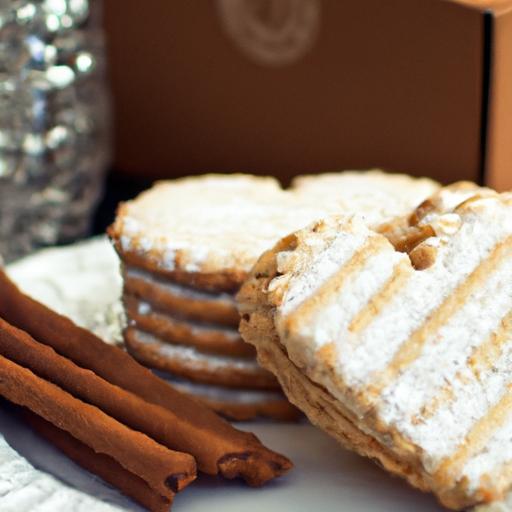
Hidden within the folds of German culinary tradition lies a cookie that is as much a feast for the eyes as it is for the palate-Springerle.Wiht its delicate, embossed patterns and anise-kissed flavour, this timeless treat has enchanted generations, transforming the simple act of baking into an art form. In this article, we will uncover the secrets behind the perfect Springerle recipe, exploring the history, techniques, and subtle nuances that make these charming cookies a beloved delight during festive seasons and beyond. Whether you’re a seasoned baker or a curious newcomer, prepare to embark on a journey that melds tradition with taste, unlocking the magic behind germany’s cherished Springerle.
Springerle Recipe secrets: Timeless German Cookie Delight
Springerle Recipe Secrets unlock a lovely tradition rooted deep in German heritage, celebrated for its ornate embossed designs and delicately anise-kissed flavor. This timeless cookie captivates not only with its charming patterns but also its unique texture-a firm yet tender crunch that feels like a nostalgic embrace from generations past. Whether you’re a seasoned baker or an excited newcomer, mastering the art of springerle molding and its essential techniques promises a rewarding, sensory journey into classic European baking.
Prep and Cook Time
- Preparation: 30 minutes
- Dough resting: 12-24 hours
- Baking: 15 minutes
- Total time: Approximately 13-15 hours (including resting)
Yield
Yields approximately 24 springerle cookies, depending on mold size and thickness.
Difficulty Level
Medium: Requires patience and attention to dough consistency, molding precision, and proper baking.
Choosing the Perfect Ingredients for Authentic Flavor and Texture
The secret behind every triumphant springerle lies in the simplicity and quality of its ingredients. Using fresh, unbleached all-purpose flour provides the ideal structure, while the crispness springs from the traditionally used icing sugar that melts into a delicate sweetness without overpowering the famously subtle anise flavor.Opt for pure anise extract or finely ground anise seeds to ensure your cookies sing with authentic aroma. Additionally, large eggs at room temperature enrich the dough, introducing moisture for the perfect pliability during molding.
Mastering the Ideal Dough Consistency and Resting Techniques
Achieving the right dough consistency is where springerle magic happens. The dough must be firm enough to hold intricate impressions, yet soft enough to roll smoothly without cracking. Begin by combining dry ingredients and gently blending in beaten eggs with anise extract. Once the dough forms, resting it uncovered for 12 to 24 hours in a cool, dry place is essential. This drying phase allows the surface to set just enough to preserve crisp impressions while promoting the advancement of a beautifully dry exterior that bakes into a delicate crunch.
Baking Tips to Achieve the Classic Crunch and Delicate Aroma
Preheat your oven to a precise 300°F (150°C) to bake these timeless delights. Springerle cookies thrive off low and slow baking, which preserves thier shape and delicate embossed details while delivering the conventional crisp texture. Place your molded cookies on parchment-lined baking sheets and allow them to bake until they are just firm to the touch – around 12-15 minutes. avoid overbaking to preserve the soft anise aroma that wafts through your kitchen, enhancing the sensory experience.
Ingredients
- 2 3/4 cups all-purpose flour, sifted
- 1 1/2 cups powdered (icing) sugar, sifted
- 3 large eggs, at room temperature
- 1 tsp pure anise extract (or 2 tsp finely ground anise seeds)
- Pinch of salt
- Optional: a drop of food-grade oil for rolling surface to prevent sticking
Instructions
- Whisk together the sifted flour, powdered sugar, and salt in a large bowl until evenly combined.
- In a separate bowl, lightly beat the eggs with the anise extract until smooth and fragrant.
- Gradually add the egg mixture into the dry ingredients, stirring with a wooden spoon until a stiff dough forms. It should be firm but pliable,not sticky.
- Turn the dough onto a lightly floured surface and knead gently for 2-3 minutes to ensure ingredients are fully incorporated. Shape it into a ball.
- Roll out the dough to about 1/4 inch thickness on a floured or lightly oiled board to prevent sticking.
- Press your springerle mold firmly into the dough, creating detailed impressions. Use a sharp knife to cut cookies around molds’ edges.
- Arrange the molded cookies on parchment-lined baking sheets in a single layer, spacing them slightly apart to allow even baking.
- Let the cookies rest uncovered at room temperature for 12-24 hours, until the dough surface feels dry to the touch, essential for crisp patterns that don’t blur.
- Preheat oven to 300°F (150°C). Bake cookies for 12-15 minutes, or until firm but not browned.
- Cool completely on wire racks before storing in an airtight container; this helps achieve the perfect crunchy texture over time.
Tips for Success
- Use unbleached flour to ensure the dough remains smooth and elastic, allowing crisp mold details to shine.
- Resting is crucial. Skipping the drying step results in blurry molds and chewy cookies instead of crisp, tender springerle.
- Roll evenly: Use consistent pressure with your roller or mold to prevent uneven thickness and ensure uniform baking.
- Substitutions: For natural sweetness, replace powdered sugar with fine coconut sugar powder; adjust the amount slightly to taste.
- Store in an airtight tin with a slice of bread inside to maintain the cookies’ traditional crackly surface and prevent staleness.
Serving Suggestions
Present your springerle on a delicate porcelain platter or rustic wooden board, garnished with a few whole anise seeds or fresh sprigs of lavender to echo the cookie’s subtle spice notes. These cookies make a charming accompaniment to afternoon tea,coffee,or even a comforting mug of warm spiced apple cider. For holiday gatherings, pair them with other traditional German pastries or simply dust with a light sprinkle of powdered sugar to enhance their vintage allure.

Nutritional Information (per cookie)
| Calories | Protein | Carbs | Fat |
|---|---|---|---|
| 90 kcal | 2 g | 18 g | 1 g |
For more delightful German baking inspiration, check out our collection of traditional Christmas cookies. To deepen your understanding of anise as a spice, visit WebMD’s Anise Overview.
Q&A
Springerle Recipe Secrets: Timeless German Cookie Delight – Q&A
Q1: What exactly are Springerle cookies?
A1: Springerle are traditional German anise-flavored cookies known for their delicate, embossed designs. These charming treats hold a special place in German baking history, often crafted with intricate molds that imprint detailed patterns, turning each cookie into a little edible artwork.
Q2: what makes Springerle dough unique compared to other cookie doughs?
A2: Springerle dough is distinctively firm and smooth, typically made from simple ingredients: eggs, sugar, flour, and anise seeds or extract. The dough’s consistency allows it to hold detailed impressions without spreading during baking-key to preserving the ornate designs.
Q3: Are there any secret tips for achieving the perfect embossed pattern on Springerle?
A3: Absolutely! First,chilling the dough deeply before pressing the molds ensures crisp,clear impressions. Dust your mold lightly with powdered sugar to prevent sticking, and press evenly but firmly. Let the pressed dough rest uncovered for 12-24 hours to dry the surface-this “drying” phase helps maintain the design’s sharpness when baked.
Q4: How critically importent is the resting time before baking?
A4: Resting is crucial! This step allows the dough’s surface to form a slight crust, which preserves the intricate patterns during the rise and bake. Without it, designs can blur or fade. Traditionally,bakers let Springerle dry at room temperature for about a day before sliding them into the oven.
Q5: Can Springerle be made without anise flavoring?
A5: While anise is traditional and gives Springerle their signature aroma, you can experiment with other gentle spices like cardamom, fennel, or even a touch of orange zest.Though, keeping flavors subtle ensures the cookie retains its classic character.
Q6: What’s the best way to store Springerle to maintain their texture and flavor?
A6: Springerle cookies actually improve with age! Store them in an airtight container at room temperature for up to two weeks. This resting lets the cookies soften slightly from their initially firm texture,resulting in a pleasantly tender bite. Avoid refrigeration, which can dry them out.
Q7: Why do Springerle cookies have a slightly chewy texture rather of being crunchy?
A7: The moistness retained inside the cookie during aging balances the firm exterior formed by the drying and baking process. This contrast delivers that signature chewy yet tender mouthfeel loved by Springerle enthusiasts.
Q8: Are Springerle cookies typically decorated after baking?
A8: Traditionally,no frosting or glaze covers the cookies- their beauty lies in the molded relief and subtle anise scent. Though, some modern bakers dust them lightly with powdered sugar for a snowy finish or dip edges in white chocolate as a contemporary twist.
Q9: What occasions are Springerle most commonly associated with?
A9: Springerle are classic holiday cookies in many German households, especially around Christmas and Easter.Their intricate designs often depict festive themes, animals, or biblical scenes, making them a meaningful gift or centerpiece during celebrations.
Q10: Can I use a regular rolling pin instead of Springerle molds?
A10: The hallmark of Springerle is its detailed imprint-while you can roll the dough smooth with a regular pin, the traditional raised designs come uniquely from specialized carved molds or rolling pins. Investing in or borrowing a Springerle mold is well worth it to capture authentic charm and history in your baking.
Key Takeaways
As you embark on your own journey to recreate the delicate charm of Springerle, remember that each cookie carries with it centuries of tradition, artistry, and a sprinkle of German heritage. These fragrant,intricately embossed treats are more than just cookies-they are edible stories,capturing the essence of time-honored techniques and family gatherings around the hearth.With the secrets shared here, your kitchen becomes a bridge between past and present, where flour and anise transform into delightful memories. So roll out the dough, press those wooden molds with care, and let the magic of Springerle fill your home with warmth, wonder, and a taste of timeless delight.