
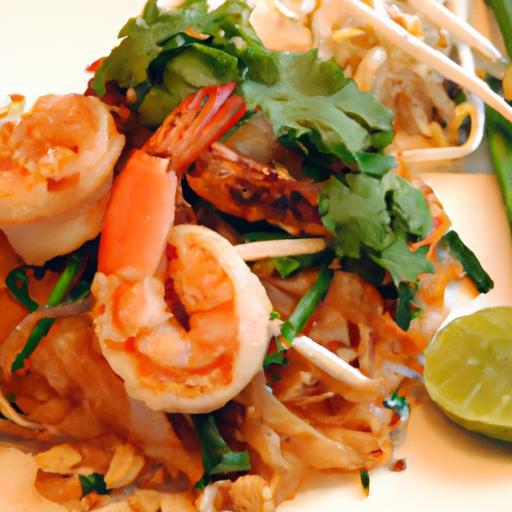
shrimp Pad Thai: A Flavorful Journey in Every Bite
Few dishes capture the vibrant essence of Thai cuisine quite like Shrimp Pad Thai. This beloved street food classic invites you on a whirlwind tour of flavors-tangy tamarind, sweet palm sugar, nutty crushed peanuts, and the subtle heat of fresh chili-all woven together with stir-fried rice noodles and succulent shrimp. More than just a meal, Shrimp Pad Thai is a culinary story steeped in tradition, culture, and the brilliant harmony of contrasting tastes. Join us as we dive into the origins, ingredients, and cooking secrets that make every bite of Shrimp Pad Thai a sensational journey for your palate.
Shrimp Pad Thai is a beloved culinary gem that invites you on a flavorful journey, weaving together the rich heritage of Thailand with the fresh vibrancy of the sea. This iconic dish perfectly balances sweet, sour, salty, and umami notes, delighting palates with every bite. As one of Thailand’s most famous street foods,shrimp lends a light,succulent touch that elevates the experience,making it a perfect gateway for home cooks eager to explore authentic Southeast Asian flavors.
Origins and Cultural Significance of Shrimp Pad Thai
Shrimp Pad Thai traces its roots back to the mid-20th century, when Thailand promoted the dish as a national meal to reduce rice consumption and highlight stir-frying techniques influenced by Chinese immigrants. Combining indigenous Thai ingredients like tamarind and palm sugar with simple noodles, Pad Thai gained rapid popularity. Shrimp, often the preferred protein, represents thailand’s close connection to the ocean and traditions of using fresh seafood. Beyond its taste, the dish embodies Thai principles of balance and harmony, teaching us that great flavour is a careful blend of contrasting tastes and textures.
Prep and Cook Time
- Preparation: 15 minutes
- Cooking: 10 minutes
- Total: 25 minutes
yield
Serves 4 generous portions
Difficulty Level
Medium – approachable for cooks cozy with stir-frying and balancing bold flavors
Key Ingredients That Elevate the Classic Recipe
- Rice noodles: 8 oz flat, dry rice noodles, soaked until pliable
- Fresh shrimp: 12 oz, peeled and deveined, medium-sized for tender bites
- Tofu: 1/2 cup firm tofu, cubed and browned for texture
- Tamarind paste: 2 tbsp for authentic sour depth
- Fish sauce: 3 tbsp, the cornerstone salty umami seasoning
- Palm sugar or light brown sugar: 2 tbsp, balancing sweetness
- Garlic: 3 cloves, finely minced for fragrant warmth
- Shallots: 2 small, thinly sliced to enhance savoriness
- Eggs: 2 large, lightly beaten for silkiness
- Roasted peanuts: 1/4 cup, coarsely chopped for crunch
- Bean sprouts: 1 cup fresh for luminous texture
- Green onions: 3 stalks, sliced thin to add mild sharpness
- Fresh lime: 1, quartered for garnish and finishing acidity
- Vegetable oil: 3 tbsp, neutral for perfect searing
- Dried chili flakes: Optional, to taste for heat
Step-by-Step Guide to Perfectly Cooked Shrimp Pad Thai
- Prep noodles: Soak the rice noodles in lukewarm water for 30 minutes or until soft but still firm to the bite. Drain and set aside,tossing gently with a tiny drizzle of oil to prevent sticking.
- Make the sauce: In a small bowl, whisk tamarind paste, fish sauce, and palm sugar until fully dissolved. Set aside-this balanced sauce is the heart of our shrimp Pad Thai.
- Cook the shrimp and tofu: Heat 1 tbsp vegetable oil in a large, hot wok or skillet over medium-high heat. Add shrimp and sauté 2-3 minutes until just pink and opaque; remove and keep warm. In the same wok,add tofu cubes and pan-fry until golden on all sides,about 4 minutes. Remove and set aside.
- Sauté aromatics: Add another 1 tbsp oil to the wok. Toss in garlic and shallots, stirring constantly until fragrant and golden, about 1-2 minutes. Be careful not to burn.
- Cook eggs: Push aromatics to one side and pour the beaten eggs into the empty space. Let them set slightly, then scramble gently until just cooked but still moist.
- Combine noodles and sauce: Add drained noodles to the wok, pour over the tamarind-fish sauce mixture, and toss vigorously but gently to coat everything evenly. Stir-fry for 2-3 minutes, allowing noodles to absorb the sauce.
- Finish with shrimp, tofu, and greens: Return shrimp and tofu to the wok, add bean sprouts and sliced green onions. Toss once more for 1 minute off-stove or on low heat; the noodles should be tender yet firm, and ingredients combined harmoniously.
- Plate and garnish: Serve instantly, garnished with chopped roasted peanuts, lime wedges, and a sprinkle of chili flakes if you like some heat. The lime’s acidity brightens every mouthful.
Expert Tips for Customizing Flavors to Suit Your Taste
- Adjust sweetness and sourness: Add more palm sugar to sweeten or extra tamarind paste for tang,tasting as you go to find your perfect balance.
- Protein swaps: For a twist, substitute shrimp with chicken breast strips, firm white fish, or extra tofu for vegetarian-friendly options.
- Noodle texture: Avoid over-soaking the rice noodles; they should be pliable but not mushy, giving the ideal “al dente” bite after stir-frying.
- Tofu preparation:</b’s best to press tofu overnight to remove excess water if time allows, ensuring a better sear and texture contrast.
- Make-ahead: Prepare sauce and chop ingredients in advance.Freshly cooked shrimp Pad Thai tastes best but you can reheat gently on a wok or skillet.
- Heat level: Incorporate dried chili flakes or fresh Thai bird’s eye chilies to ramp up the spice, or omit for a milder plate.
- Freshness: Use freshly chopped peanuts and crisp bean sprouts to keep the dish texturally lively.
Serving Suggestions
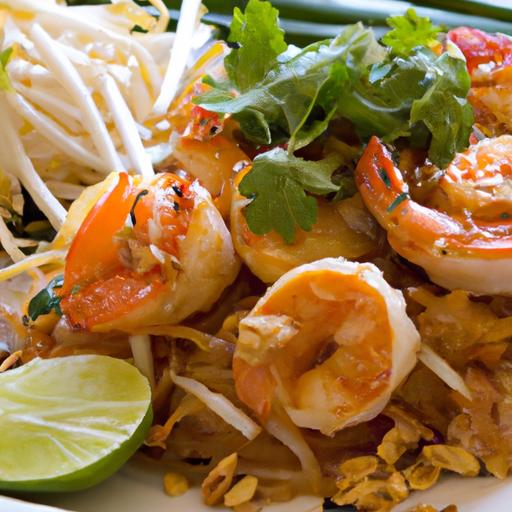
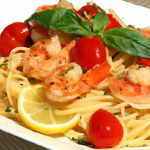
Present your shrimp pad thai on a rustic ceramic plate to showcase its vibrant colors: the glossy, deep amber noodles intertwined with pink shrimp and bright green scallions create a feast for the eyes. Garnish with extra lime wedges on the side, allowing each guest to personalize the citrus zing. Sprinkle a handful of salted roasted peanuts and chili flakes over the top for an irresistible crunch and mild heat. For a contrasting palate cleanser, serve alongside a refreshing cucumber salad or a small bowl of clear broth soup. A cold Thai iced tea or jasmine iced green tea makes the perfect beverage pairing.

| Nutrient | Per Serving |
|---|---|
| Calories | 420 kcal |
| Protein | 29 g |
| Carbohydrates | 45 g |
| Fat | 10 g |
For more Southeast Asian inspirations, explore our Thai Green Curry recipe. to deepen your understanding of classic Pad Thai history, visit Britannica for an authoritative overview.
Q&A
Q&A: Shrimp Pad Thai – A Flavorful Journey in Every Bite
Q1: What makes Shrimp Pad Thai such a beloved dish worldwide?
A1: Shrimp Pad Thai captivates food lovers with its perfect harmony of flavors-tangy tamarind, sweet palm sugar, salty fish sauce, and a subtle heat from chili. Each element dances on the palate, creating a balance of sweet, sour, salty, and spicy. Plus, the tender shrimp adds a delightful oceanic touch that elevates the dish beyond ordinary stir-fried noodles.
Q2: Can you describe the key ingredients that give Shrimp Pad Thai its signature taste?
A2: Absolutely! At its essence, Shrimp Pad Thai combines rice noodles, fresh shrimp, eggs, crushed peanuts, bean sprouts, and scallions. The magic happens in the sauce-a blend of tamarind paste,fish sauce,palm sugar,and a hint of chili flakes. this concoction infuses the noodles and shrimp with an unforgettable depth of flavor.
Q3: What’s the best way to cook shrimp for Pad Thai to ensure they remain juicy and flavorful?
A3: Timing is everything! Shrimp cook very quickly, so it’s best to add them toward the end of stir-frying. Sauté them just until they turn opaque and pink-about 1-2 minutes per side-to keep them tender and juicy. Overcooking can make shrimp rubbery and overshadow their sweet, oceanic flavor.
Q4: How critically important is the tamarind paste in achieving authentic Pad Thai flavor?
A4: Tamarind paste is essential-it’s the soul of traditional Pad Thai. Its tartness provides the bright, citrusy undertone that balances the sweetness and saltiness of the sauce. Without tamarind, the dish loses its characteristic zing and complexity. luckily, tamarind paste is widely available or can be made from tamarind pods soaked in water.
Q5: Are there creative twists to Shrimp Pad Thai that still honor its traditional roots?
A5: Absolutely! While the classic version shines on its own, you can experiment by adding fresh herbs like Thai basil or cilantro for an extra layer of aroma. A squeeze of fresh lime just before serving enhances the tanginess, while a sprinkle of roasted peanuts adds crunch. Some also toss in thinly sliced bell peppers or julienned carrots for color and texture, without straying to far from tradition.
Q6: What side dishes or accompaniments pair well with Shrimp Pad Thai?
A6: Shrimp Pad Thai stands strong as a complete meal, but it also pairs beautifully with light, refreshing sides. A crisp cucumber salad with a tangy chili-lime dressing or a simple green papaya salad complements the richness of the noodles. Steamed jasmine rice is rarely needed, but a bowl of clear broth soup can cleanse the palate between bites.
Q7: Can Shrimp Pad Thai be made ahead of time or is it best enjoyed fresh?
A7: For the best texture and flavor,Shrimp Pad Thai is ideal fresh off the stove. noodles can clump, and shrimp can toughen if reheated. That said, you can prepare sauce and chop ingredients in advance to speed up cooking. If you must store leftovers, keep shrimp and noodles separate from sauces and reheat gently to preserve their qualities.
Q8: What tips help home cooks master the perfect Pad Thai sauce?
A8: balancing flavors is the key! Start with tamarind paste for tartness, add palm sugar to taste for sweetness, and fish sauce for saltiness. Adjust gradually-too much of any element can overpower the dish. Mixing a small test batch before adding to the entire dish helps fine-tune the perfect savory-sour-sweet blend.
Q9: Is Shrimp Pad Thai suitable for those following a gluten-free diet?
A9: Yes! Traditional Pad Thai uses rice noodles, which are naturally gluten-free. Just ensure that the fish sauce and tamarind paste you use don’t contain any gluten-containing additives. This makes Shrimp Pad Thai a flavorful and safe choice for gluten-sensitive diners.
Q10: what cultural significance does Pad Thai hold in Thailand?
A10: Pad Thai is more than a dish-it’s a symbol of modern Thai identity. Popularized in the mid-20th century to boost national pride and economy, it blends international influences with local flavors.Today, it represents Thai street food culture at its most vibrant, inviting everyone on a flavorful journey in every bite.
Insights and Conclusions
As the final forkful of Shrimp Pad Thai melts away, you realize this dish is more than just a meal-it’s a vivid journey through layers of flavor, culture, and tradition. Each bite carries the tangy zest of tamarind, the subtle heat of chili, the crunch of fresh peanuts, and the ocean-kissed sweetness of plump shrimp, all coming together in perfect harmony. Whether you’re a seasoned foodie or an adventurous novice, Shrimp Pad Thai invites you to explore the rich tapestry of Thai cuisine, one appetizing bite at a time.So next time you crave a meal that tells a story,remember that with Shrimp Pad Thai,every plate serves up a flavorful adventure waiting to be savored.