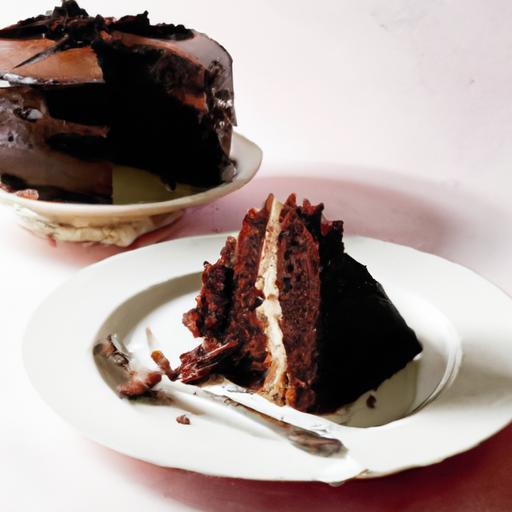

Nestled within teh rich tapestry of Russian culinary heritage lies a dessert that is as enchanting as it is tasty: the honey cake. More than just a layered confection of tender sponge and luscious cream, this cake carries with it a sweet tradition that echoes through generations.From humble village kitchens to elegant city celebrations, russia’s honey cake-known locally as Medovik-has become a symbol of warmth, patience, and timeless flavor. In this article, we delve into the origins, cultural importance, and the meticulous craftsmanship behind this beloved treat, uncovering the story that makes every bite a taste of Russian history.
The Sweet Tradition Behind Russia’s Beloved Honey cake
The Sweet Tradition Behind Russia’s Beloved Honey Cake invites you on an indulgent journey into one of Russia’s most cherished desserts – Medovik. This multilayered honey cake has been treasured for centuries not only for its luscious texture but also for its cultural symbolism, evoking warmth, family gatherings, and the slow art of patience. Every slice offers a balance of sweet, floral honey notes and a tender, creamy crumb, embodying a timeless recipe passed down through generations.
Prep and Cook Time
- Preparation: 45 minutes
- Cooking (baking layers): 15 minutes
- Chilling (to set layers): Minimum 6 hours (preferably overnight)
Yield
8 to 10 servings
Difficulty Level
Medium – Requires careful layering and patience but accessible for confident home bakers
Ingredients
- 3 cups all-purpose flour, sifted
- 1 cup granulated sugar
- 3 tablespoons honey (preferably wildflower or buckwheat for depth)
- 3 large eggs, at room temperature
- 1/2 cup unsalted butter, softened
- 1 teaspoon baking soda
- 1 cup sour cream, full-fat (for cream filling)
- 1 cup heavy cream
- 1/2 cup powdered sugar, sifted
- 1 teaspoon pure vanilla extract
- pinch of salt
Instructions
- Prepare the honey batter: In a heatproof bowl set over simmering water, gently melt butter, honey, and sugar until smooth. Remove from heat.
- Whisk the eggs: In a separate bowl,beat the eggs until frothy and gradually temper them by slowly adding the warm honey mixture,stirring constantly to avoid scrambling.
- Incorporate dry ingredients: Combine flour, baking soda, and a pinch of salt in another bowl. Gently fold the dry mix into the wet until a soft, pliable dough forms.
- Divide and roll out layers: Divide dough into 8 to 10 equal pieces. Lightly flour your surface and roll each piece into thin rounds,approximately 8 inches in diameter. Trim edges for neatness, reserving scraps for decoration.
- Bake layers: Place each dough circle on parchment-lined baking sheets and bake at 350°F (175°C) for 8-10 minutes or until golden brown – watch closely to prevent overbaking.
- Prepare the cream filling: Whip the heavy cream until soft peaks form. In another bowl, mix sour cream, powdered sugar, and vanilla extract. Gently fold whipped cream into the sour cream mixture for a smooth,airy texture.
- Assemble the cake: On your serving plate, spread a thin layer of cream over the first cake layer. Repeat layering, alternating cake and cream, until all layers are stacked.
- crush reserved scraps: Use the reserved baked dough scraps to crumble and coat the top and sides of the assembled cake, adding texture and a rustic finish.
- Chill to set: Cover and refrigerate for at least 6 hours, though overnight is best. This resting time allows the honey cake layers to soften and meld beautifully with the creamy filling.
Tips for Success
- For the freshest taste, use local or high-quality honey with a robust aroma to enhance the signature flavor.
- If dough feels sticky while rolling, lightly dust with flour but avoid adding too much to keep layers tender.
- Cool cake layers completely before assembling to prevent cream from melting.
- Use full-fat sour cream and heavy cream for the creamiest filling; low-fat versions may affect texture.
- the longer the cake rests, the more the flavors deepen – patience always rewards with a superior honey cake.
- Make ahead by baking and assembling the day before serving to save time and allow the cake to fully set.
Serving Suggestions
Slice generously and serve chilled. Garnish with edible flowers or a dusting of powdered sugar for an elegant touch. Pair this honey cake with freshly brewed black tea or a tangy berry compote,which cuts through the sweetness and accentuates the honey’s floral notes. For a festive flair, consider adding toasted nuts or a light drizzle of honey atop each slice.

| Nutrient | Per Serving |
|---|---|
| Calories | 420 kcal |
| Protein | 6 g |
| Carbohydrates | 55 g |
| Fat | 18 g |
Explore more delightful Russian desserts and learn their stories in our Russian Dessert Recipes Collection. For a deeper understanding of honey’s role in conventional cuisines worldwide, visit National Honey Board.
Q&A
Q&A: The Sweet Tradition Behind Russia’s Beloved Honey Cake
Q1: What is the origin of Russia’s honey cake, also known as Medovik?
A: Medovik traces its roots back to the 19th century Russian imperial kitchens, where it was first crafted as a delicate dessert for aristocrats. Its exact origins are somewhat mysterious, but the cake quickly became a symbol of festivity and festivity, spreading from noble tables to family gatherings across Russia.
Q2: Why is honey such a central ingredient in Medovik?
A: Honey is more than just a sweetener in this cake-it’s a cultural emblem. Russia’s long-standing relationship with beekeeping and honey production makes it a natural choice for desserts. Honey lends Medovik its signature depth of flavor, balancing floral and caramel notes that harmonize beautifully with the creamy layers.
Q3: How is traditional honey cake constructed?
A: Medovik is a multi-layered wonder, consisting of thin, tender cakes infused with honey and baked until golden. Thes layers are stacked with a luscious, creamy filling-often made from sour cream or sweetened condensed milk-and left to rest so the flavors meld and soften the cakes into a moist, velvety delight.
Q4: What makes the texture of honey cake unique compared to other layered cakes?
A: Unlike cakes made from more uniform batters,Medovik’s layers transform over time. Initially, the cake layers are firmer, but as the cake sits, the cream permeates each thin sheet, resulting in a tender, almost melt-in-your-mouth texture that’s both rich and delicate.
Q5: Are there regional variations of Medovik within Russia?
A: Absolutely! While the classic recipe remains cherished, regional twists incorporate local ingredients such as nuts, berries, or subtle spices like cinnamon or cardamom. Some versions swap sour cream filling for a whipped cream or cream cheese blend, showcasing the versatility of this traditional confection.
Q6: When is honey cake typically enjoyed in Russia?
A: Medovik graces manny festive occasions-from birthdays to weddings and New Year celebrations. Its sweet, comforting layers evoke warmth and nostalgia, making it a staple for meaningful moments shared among family and friends.
Q7: Can one make Medovik at home without special equipment?
A: Certainly! While Medovik might look intricate,its ingredients are simple,and many home cooks embrace the process as a labor of love. With just basic baking tools and patience to let the cake rest, anyone can recreate this iconic dessert in their own kitchen.
Q8: What does honey cake symbolize in Russian culture?
A: Beyond its deliciousness, Medovik symbolizes sweetness in life and the richness of tradition. It’s a culinary heirloom passed down through generations, reminding russians of the connection between nature’s gifts-like honey-and the art of celebration. It’s a dessert that delights not just the palate but also the heart.
Key Takeaways
As the final crumbs of Russia’s beloved honey cake melt away,we are reminded that this dessert is far more than just a confection. It is a rich tapestry of history,culture,and tradition-each golden layer whispering stories of festive gatherings,family warmth,and the slow,patient art of baking passed down through generations. behind its sweet, tender crumb lies a testament to the enduring spirit of celebration and togetherness that honey cake continues to inspire across Russia and beyond. So, the next time you savor a slice, remember-you’re tasting a piece of history, sweetened by time and tradition.