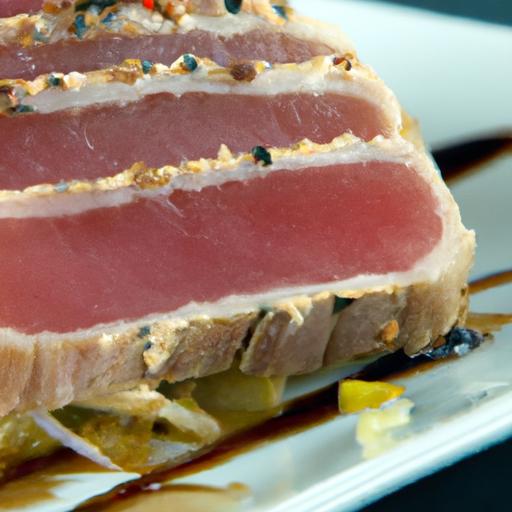

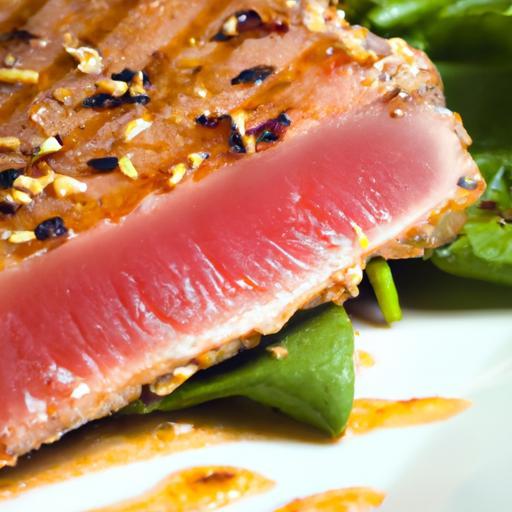
There’s something undeniably captivating about a perfectly seared tuna steak-a dish that marries simplicity with sophistication, inviting both novice cooks and seasoned chefs to explore its delicate depths. Mastering the art of seared tuna isn’t just about cooking fish; it’s about understanding the dance between heat and flesh, timing and technique, flavor and texture. In this article, we’ll dive beneath the surface to unravel the secrets behind that flawless, caramelized crust encasing a tender, ruby-red center-a culinary masterpiece that transforms an ordinary meal into an extraordinary experience. Whether you crave a swift weeknight delight or aspire to impress at your next dinner party, join us as we embark on the journey to perfect seared tuna steak mastery.
Mastering the Art of the Perfect Seared Tuna Steak
Mastering the art of the perfect seared tuna steak begins with understanding the intricate relationship between the fish’s cut, preparation, and cooking approach. A beautifully seared tuna steak is not just a dish; it’s a celebration of nature’s ocean bounty, offering a luxurious balance of meaty texture and subtle oceanic sweetness. This culinary delight has roots in coastal cultures where the freshest tuna was revered for its versatility and health benefits. Today, it graces tables worldwide, celebrating simplicity and finesse alike.
Prep and Cook Time
- Preparation: 15 minutes
- Cooking: 6-8 minutes
- Total Time: 25 minutes
Yield
Serves 2 generous portions
Difficulty Level
Medium – Perfect for home cooks ready to elevate thier seafood skills
Ingredients
- 2 fresh sushi-grade tuna steaks (6 oz each, approximately 1 ½ inches thick)
- 2 tablespoons extra virgin olive oil
- 1 teaspoon kosher salt
- ½ teaspoon freshly cracked black pepper
- 1 teaspoon toasted sesame seeds (optional, for texture)
- 1 tablespoon finely chopped fresh ginger
- 1 tablespoon low-sodium soy sauce
- 1 teaspoon toasted sesame oil
- 1 lemon, cut into wedges (for serving)
- Fresh microgreens or cilantro (for garnish)
Instructions
- Choose your tuna cuts carefully. Select firm, deep-red-almost purple-tuna steaks labeled sushi-grade for optimal flavor and texture. Thicker cuts (around 1 ½ inches) help retain a tender and juicy center after searing.
- Pat the tuna steaks dry. Using paper towels, gently blot excess moisture from the surface; this step is crucial for achieving a perfect crust.
- Mix the marinade. In a small bowl, whisk together the olive oil, soy sauce, toasted sesame oil, fresh ginger, salt, and pepper.
- Marinate the steaks. Place the tuna in the marinade for 10 minutes. avoid over-marinating as the acid and salt can begin to cure the fish.
- Preheat your pan. Use a heavy-bottom skillet or cast iron pan over medium-high heat. Wait until it’s smoking hot to ensure a crisp sear on contact.
- Sear the tuna steaks. Remove the tuna from the marinade, reserving the marinade for basting. Place steaks in the hot pan, cooking 1 ½-2 minutes on each side for rare, slightly longer (up to 3 minutes) for medium-rare.Avoid flipping multiple times: a steady single turn forms a beautiful crust.
- Baste if desired. During cooking, spoon the reserved marinade over the steaks for added moisture and flavor infusion.
- Remove and rest. Let the steaks rest for 3 minutes on a warm plate to allow juices to redistribute.
- Slice and serve. Cut against the grain in half-inch slices to showcase the stunning contrast between the golden crust and rosy interior.
Tips for Success
- Always invest in sushi-grade tuna to ensure freshness and safety when served rare.
- For extra texture, lightly press toasted sesame seeds onto the tuna before searing.
- Use medium-high heat rather than high to prevent burning and maintain a balanced crust without overcooking the center.
- If you’re using frozen tuna, thaw it in the refrigerator overnight for optimal texture and flavor retention.
- Experiment with alternative marinades such as fresh lime juice, minced chili, and coconut aminos for a tropical twist.
- Make-ahead tip: Marinate tuna up to 30 minutes in advance, but no longer to maintain the vibrant, fresh flavor.
Creative Serving Suggestions to Complement Your Perfect Tuna Steak
Bring your plate to life with vibrant, complementary accompaniments that highlight the pristine flavors and texture of your seared tuna.
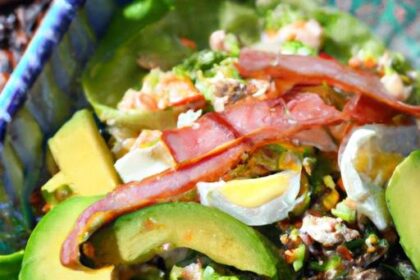
- Pair with a refreshing avocado-cucumber salad tossed in a light sesame dressing to add creaminess and crispness.
- Serve atop a bed of garlic-infused jasmine rice or quinoa for a wholesome, satisfying base.
- Drizzle with a tangy yuzu ponzu sauce, enhancing citrus notes and umami depth.
- Garnish with fresh microgreens, thinly sliced scallions, and a sprinkle of toasted nori flakes for a delicate crunch and oceanic aroma.
- offer lemon wedges on the side to brighten the dish with a fresh zing right before tasting.
Visually, aim for a minimalist presentation that puts the steak at center stage – a few thoughtful garnishes and a simple plate allow the natural elegance of the tuna to shine.
| Nutrient | Per Serving (1 Steak) |
|---|---|
| Calories | 220 kcal |
| Protein | 42 g |
| Carbohydrates | 2 g |
| Fat | 5 g |
Mastering heat control when searing is the final secret weapon – it ensures that every bite of your tuna steak bursts with a savory crust while preserving the delicate, luscious interior.For further inspiration on seafood excellence, check out our Grilled Seafood Techniques: Catching Perfection. If you want detailed insights on fish freshness and sourcing, the FDA’s guide on selecting fresh fish is an invaluable resource.

Q&A
Q&A: Mastering the Art of the Perfect Seared Tuna steak
Q1: What’s the secret to choosing the best tuna steak for searing?
A1: Start with a fresh, sashimi-grade tuna steak-look for vibrant color, firm texture, and a subtle ocean aroma. High-quality tuna is key because it will be enjoyed rare to medium-rare, so freshness cannot be compromised. Opt for steaks about 1 to 1.5 inches thick to ensure a nice sear while keeping the interior tender and moist.
Q2: How do I prepare the tuna before searing to maximize flavor?
A2: Keep it simple to highlight the natural taste. Lightly pat the steak dry to encourage a perfect crust, then season generously with salt and freshly ground black pepper. You can also brush a thin coat of high-quality olive oil or toasted sesame oil to add a subtle layer of flavor and help achieve that golden sear.
Q3: What’s the ideal pan and cooking fat for searing tuna?
A3: use a heavy-bottomed skillet like cast iron or stainless steel to retain and distribute heat evenly. For fat, a high-smoke-point oil like grapeseed, avocado oil, or refined coconut oil works beautifully-they allow you to sear at high temperatures without burning.
Q4: How hot should the pan be before adding the tuna?
A4: The pan needs to be scorching hot-think “smoking” or just before smoking-to create an instant crust on contact. This seals in the juices and ensures the interior stays beautifully rare.
Q5: How long should I sear the tuna steak on each side?
A5: Timing depends on thickness and preferred doneness, but a good rule of thumb is about 1 to 2 minutes per side for a 1-inch thick steak. The goal is a crisp, caramelized outside with a cool, rare center.Avoid overcooking-the tuna should still be pink in the middle, silky, and tender.
Q6: Can I add seasonings or coatings to the tuna before searing?
A6: Absolutely! A crust of black and white sesame seeds, cracked peppercorns, or even a light dusting of smoked paprika can add texture and depth. Just press the seeds or spices gently onto the surface before searing. Marinades are also possible but keep them very brief-no more than 10-15 minutes-to prevent the delicate flesh from becoming mushy.
Q7: Aside from pan-searing, are there other techniques to enhance the flavor and texture?
A7: You can try a quick grill or a blow-torch finish for a smoky char. Another technique is to sear the steak in the pan, then briefly rest it wrapped in foil-this helps redistribute juices for a juicier bite. Resting is critical, even just 3 to 5 minutes before slicing.
Q8: How should I slice a seared tuna steak for serving?
A8: Use a very sharp knife to cut across the grain into thin, even slices.This not only makes the steak easier to eat but also highlights its tender texture and beautiful pink interior.
Q9: What side dishes or accompaniments pair best with seared tuna?
A9: Shining, fresh, and light complements the richness of tuna. Think crisp salads with citrus vinaigrette, pickled ginger, avocado slices, or a refreshing cucumber and seaweed salad. Also, a drizzle of soy glaze or a dollop of wasabi mayo adds a delightful kick.
Q10: Any tips to avoid common mistakes when searing tuna?
A10: Definitely! Avoid overcrowding the pan-it lowers the temperature and prevents a proper sear. Don’t flip multiple times; a single flip preserves the crust and texture. And resist the urge to overcook-it’s best enjoyed medium-rare to rare to keep it juicy and tender rather than dry and tough.
Master thes elements, and you’ll be well on your way to crafting the quintessential seared tuna steak-simple, elegant, and irresistibly delicious every time.
to sum up
In the dance of flavors and textures, mastering the perfect seared tuna steak is both an art and a delightful adventure. With each carefully timed sizzle and every precise seasoning, you transform a simple fillet into a culinary masterpiece that sings with fresh, oceanic brilliance. Whether you’re impressing guests or treating yourself to a gourmet moment at home, this technique unlocks the true potential of tuna’s rich, tender heart. So sharpen your knives, heat that pan, and let the journey to seared perfection begin-as the perfect tuna steak isn’t just a meal, it’s an experience waiting to be savored.