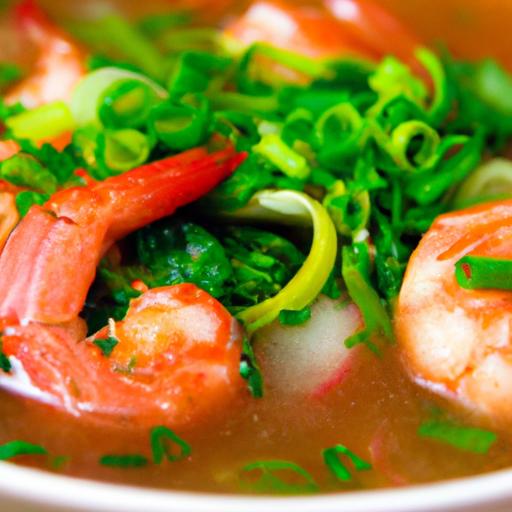

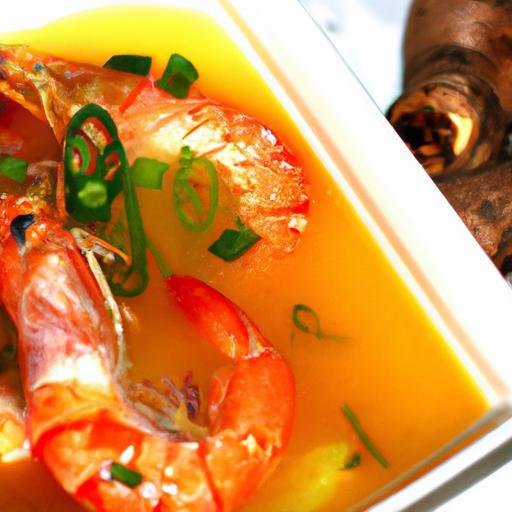
In the vibrant tapestry of Filipino cuisine, few dishes capture the heart and palate like sinigang na hipon-a tangy, comforting shrimp stew that dances between sourness and warmth with every spoonful. More than just a meal, sinigang na hipon is a party of flavors that vividly showcase the Filipino love for sour notes balanced harmoniously with fresh seafood goodness. Whether enjoyed during rainy afternoons or family gatherings, this iconic dish tells a story of tradition, regional bounty, and culinary ingenuity. Join us as we delve into the rich essence of sinigang na hipon, exploring its ingredients, cultural meaning, and the secrets that make it a cherished sour shrimp delight across the Philippines.
Origins and Cultural Significance of Sinigang na Hipon
Savoring Sinigang na Hipon is more than just enjoying a soup; it’s an immersion into a cherished Filipino culinary tradition that celebrates the bold, refreshing tang of sour broth paired perfectly with fresh shrimp. This iconic dish has roots tracing back to pre-colonial Philippines, where indigenous communities crafted sour soups using native tamarind and other local souring agents to balance the tropical heat and humid climate.
generations have embraced sinigang na hipon as an everyday comfort food and a festive mainstay at family gatherings, symbolizing warmth, togetherness, and the richness of Filipino hospitality. Each regional adaptation reveals its unique twist-whether through varying souring fruits or vegetable accompaniments-making it a flavorful mirror of the nation’s diverse flavors and bountiful harvests.
Key Ingredients That Define the Dish’s Signature Sourness
The unmistakable sourness in sinigang na hipon is crafted with care, primarily by harnessing the perfect balance of acidic ingredients along with the delicate sweetness of fresh shrimp. The cornerstone of its tangy profile generally comes from tamarind paste or fresh tamarind pods,delivering that iconic fruity sour punch.In some variations,other native souring agents like calamansi,green mango,kamias (bilimbi),or guava are introduced to add personal flair.
vegetables such as radish, kangkong (water spinach), string beans, and tomatoes not only contribute vibrant colors but also subtly interplay with the sourness, enriching the broth with layers of texture and flavor. The integration of fresh shrimp (hipon) infuses a gentle brininess that balances acidity with a savory depth, completing the harmonious flavor profile that makes this dish so beloved.
Step by Step Guide to Preparing the Perfect Sinigang na hipon
Creating sinigang na hipon at home is approachable and immensely rewarding. Follow this detailed yet simple guide to fill your kitchen with vibrant aromas and serve a steaming bowl of Filipino comfort that’s packed with freshness and zest.
Prep Time: 15 minutes
Cook Time: 25 minutes
Yield: 4 servings
Difficulty Level: Easy
Ingredients
- 500 grams fresh shrimp (hipon), cleaned and deveined
- 1 medium onion, quartered
- 2 medium tomatoes, quartered
- 1 cup tamarind paste (or fresh tamarind pods, boiled and mashed)
- 6 cups water or seafood stock
- 1 cup radish, sliced into ¼ inch rounds
- 1 cup string beans (sitaw), trimmed into 2-inch pieces
- 2 cups kangkong (water spinach) leaves and tender stems
- 2 long green chili peppers (siling haba), optional for mild heat
- 2 tablespoons fish sauce (patis)
- Salt and freshly ground black pepper, to taste
- 2 tablespoons cooking oil
Instructions
- Prepare the broth: In a large pot, heat the cooking oil over medium heat. Sauté the onion and tomatoes untill softened and aromatic, about 4-5 minutes.
- Add water and souring agent: Pour in the water or seafood stock and bring to a boil. Stir in the tamarind paste or fresh tamarind extract. Let it simmer gently for 10 minutes to develop a shining, tangy broth.
- Introduce vegetables: Add the radish and string beans first. Cook for 5 minutes or until crisp-tender. This layering ensures that each vegetable retains its vibrant texture and flavor.
- Add shrimp and seasoning: Incorporate the cleaned shrimp and long chili peppers, allowing the shrimp to turn pink and cook through, about 3-4 minutes. Season the broth with fish sauce, salt, and pepper to taste. Adjust the sourness now by adding more tamarind paste if desired.
- Finish with greens: Toss in the kangkong leaves and stems last. cook just until wilted,roughly 1-2 minutes,preserving their fresh green color and nutritional value.
- Serve promptly: Ladle the hot sinigang na hipon into bowls, making sure each serving contains a generous helping of shrimp, vegetables, and broth. add steamed rice alongside for the complete meal experience.
Expert Tips and Variations to Elevate Your Sour Shrimp Experience
To truly master savoring sinigang na hipon, consider these insider suggestions that add layers of complexity or suit different tastes and occasions:
- Freshness Matters: Use the freshest shrimp possible. Opt for medium-sized shrimp with shells on for a more flavorful broth; shell and devein after cooking.
- Customize the sourness: Experiment with alternative souring fruits such as green mango or kamias for regional flair and nuanced tang.
- add umami depth: Incorporate a small handful of dried fish (daing) or anchovies during broth boiling, then strain before serving.
- Make it heartier: Add cubed taro (gabi) or corn on the cob segments for texture variations.
- Vegetarian friendly: Swap shrimp for mushrooms or tofu and use vegetable stock instead of seafood broth.
- Advance planning: Prepare the broth a day ahead to let flavors meld beautifully, then gently reheat and add shrimp and greens before serving.
Serving Suggestions
Serve your sinigang na hipon in deep bowls, steaming hot, accompanied by a side of fragrant steamed jasmine or garlic rice.Garnish with freshly sliced chili for heat seekers, a few sprigs of fresh coriander (optional), and wedges of calamansi or lemon to add an extra burst of citrusy brightness at the table.
This dish pairs wonderfully with crunchy side dishes such as crispy fried vegetables or a simple fresh salad to balance the rich and tangy broth. Make sure to have a ladle handy to enjoy every spoonful of sour seafood goodness!
| Nutrient | Amount per Serving |
|---|---|
| Calories | 210 kcal |
| Protein | 28 g |
| Carbohydrates | 12 g |
| Fat | 4 g |

For further insights and the cultural tapestry behind Filipino sour soups, visit National Geographic’s culinary feature on sinigang.
Q&A
Q&A: Savoring Sinigang na Hipon – The Filipino Sour Shrimp Delight
Q: What exactly is Sinigang na Hipon?
A: Sinigang na Hipon is a beloved Filipino soup characterized by its sour and savory profile, starring fresh shrimp (hipon) as the main ingredient. It’s a hearty, comforting dish known for its tangy broth, typically achieved with tamarind or other souring agents, and enriched with an array of vegetables.
Q: What makes the sour broth in Sinigang na Hipon so special?
A: the defining feature of Sinigang is its uniquely tart broth, often made from tamarind (sampalok), which gives the dish its signature tanginess. Other souring agents like kamias (bilimbi), green mango, or calamansi might also be used to vary the flavor. This zestiness balances beautifully with the natural sweetness of shrimp and freshness of the vegetables.
Q: Which vegetables complement the shrimp in Sinigang na Hipon?
A: Commonly included vegetables are water spinach (kangkong), radish (labanos), eggplant, long green beans (sitaw), and tomatoes. These veggies not only add texture and color but also enhance the overall flavor complexity of the soup, soaking up the sour broth’s goodness.
Q: How does using shrimp impact the flavor and texture of Sinigang?
A: Shrimp lends a natural sweetness and briny depth that contrasts and complements the broth’s sourness. Its tender, slightly firm texture stands out in the soup, making each spoonful a delightful balance of taste and mouthfeel. Plus, shrimp cooks fairly quickly, preserving its succulence.
Q: Are there regional variations of Sinigang na Hipon in the Philippines?
A: Absolutely! While tamarind is the most common souring agent, regions might use local fruits or ingredients depending on availability. As a notable example, some provinces incorporate guava or batuan for a different sour note. The vegetable selection may also shift, adding unique local touches to this classic dish.
Q: How is Sinigang na Hipon traditionally served?
A: It’s typically served hot,often accompanied by steamed white rice,which helps mellow the broth’s acidity and mellows the flavorful shrimp. Many enjoy it as a comforting family meal, especially on rainy days or when craving something both refreshing and hearty.
Q: Can Sinigang be made quickly for busy cooks?
A: Definitely! The beauty of Sinigang na Hipon lies in its simplicity and speed.As shrimp cooks fast and the broth is straightforward, you can have a satisfying pot ready in under 30 minutes. It’s an accessible yet remarkable dish perfect for weeknight dinners.
Q: What tips can elevate my Sinigang na Hipon experience?
A: For the best flavor, use fresh shrimp with shells on-the shells add extra depth to the broth when simmered. Also,don’t rush the souring process; letting the broth simmer with sour fruits or paste allows flavors to meld fully. Lastly, adjusting the sourness to your taste by adding tamarind gradually ensures a perfect balance.
Q: Why has Sinigang na Hipon remained a staple in Filipino households?
A: This dish resonates deeply as it embodies the Filipino palate’s love for bold, vibrant flavors-especially sourness that refreshes and invigorates.It also symbolizes home-cooked comfort, bringing families together over a warm bowl that’s both nutritious and soul-satisfying.
Q: Besides eating, how else is Sinigang na Hipon culturally critically important?
A: Sinigang na Hipon not only showcases the Philippines’ rich culinary heritage but also highlights coastal communities’ reliance on seafood. It’s a dish passed down through generations, weaving stories of family, tradition, and the vibrant bounty of the islands into every meal.
In Conclusion
As the last spoonful of Sinigang na hipon warms your palate with its harmonious dance of tangy tamarind, fresh shrimp, and vibrant vegetables, you’re reminded why this Filipino classic endures beyond generations. More than just a dish, it’s a celebration of balance-where sour meets savory, and tradition blends effortlessly with comfort. Whether shared among family or discovered as a culinary adventure, savoring Sinigang na Hipon is an invitation to taste the heart of Filipino heritage, one delightful bowl at a time. So next time you crave a meal that tells a story, let the flavors of this sour shrimp treasure transport you to the Philippines, where every bite is a flavorful journey worth savoring.