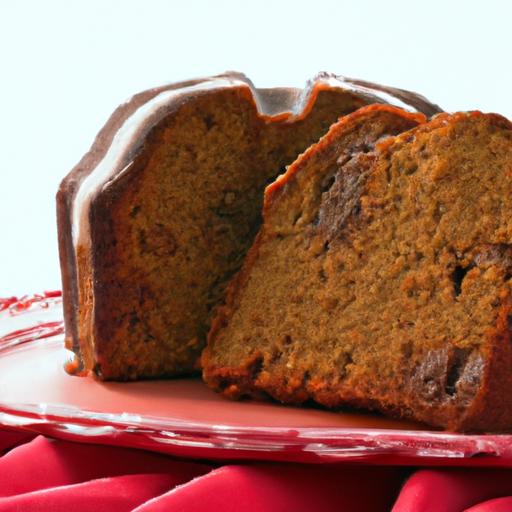

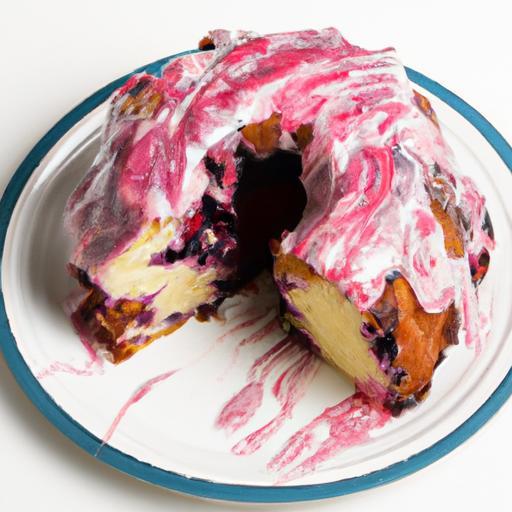
There’s something wonderfully heartwarming about the arrival of a new neighbor-the promise of fresh friendships, shared stories, and a blossoming community. Across cultures and continents, one sweet tradition captures this spirit perfectly: the giving of cake. More than just a simple dessert, the “new neighbor cake” is a delicious emblem of welcome, goodwill, and connection. From spiced breads to frosted confections, these baked gifts carry rich histories and local flavors, inviting newcomers not only to taste but to belong. In this article, we’ll explore the charming customs behind new neighbor cakes, revealing how a humble slice of sweetness can open doors and warm more than just the palate.
Sweet welcomes inspire more than just a tasty treat-they build meaningful connections, weaving stories of kindness and community through every bite. Originating from a universal desire to greet new neighbors warmly, offering a homemade cake has transcended borders and generations, becoming an edible symbol of goodwill. Many cultures carry traditions where presenting a freshly baked cake signifies friendship and support, making it a memorable icebreaker that invites conversation and camaraderie.
In exploring unique cake recipes that bridge communities, this particular new neighbor cake blends familiar, comforting flavors with a hint of understated elegance. The soft, tender crumb infused with zesty citrus and delicate vanilla notes evokes a sense of homecoming and party.Its easy versatility invites joyful personalization-from a simple dusting of powdered sugar to vibrant fresh flower garnishes-ensuring your sweet gesture lingers long after the last bite.
Prep and Cook Time
- Planning: 15 minutes
- Cooking: 40 minutes
- Total: 55 minutes
Yield
8 generous servings
Difficulty Level
Easy – perfect for beginner bakers and those seeking a warm, homemade gift
Ingredients
- 2 cups all-purpose flour, sifted
- 1 ½ teaspoons baking powder
- ¼ teaspoon fine sea salt
- 1 cup granulated sugar
- ½ cup unsalted butter, softened
- 3 large eggs, at room temperature
- 1 teaspoon pure vanilla extract
- ½ cup whole milk
- Zest of 1 large lemon
- 2 tablespoons freshly squeezed lemon juice
- Optional: powdered sugar or edible fresh flowers for garnish
instructions
- Preheat your oven to 350°F (175°C). Grease and flour an 8-inch round cake pan, or line it with parchment paper for easy removal.
- Whisk together the sifted flour, baking powder, and sea salt in a medium bowl. Set aside.
- Cream the butter and sugar in a large bowl with an electric mixer until light and fluffy, about 3-4 minutes. This step is crucial for a tender crumb.
- Add the eggs one at a time, beating well after each addition, then mix in the vanilla extract and lemon zest for a bright fragrance.
- Alternate adding the dry ingredients and milk to the butter mixture in three parts, starting and ending with the dry ingredients. Stir gently but thoroughly until smooth; avoid overmixing to keep the cake light.
- Fold in the lemon juice, stirring just enough to distribute evenly.
- Pour the batter into the prepared pan, smoothing the top with a spatula.
- bake for 38-40 minutes, or until a toothpick inserted in the center comes out clean. To avoid overbaking, begin checking at 35 minutes.
- Cool the cake in the pan for 10 minutes, then turn out onto a wire rack to cool completely.
- Garnish as desired: lightly dust with powdered sugar or decorate with fresh edible flowers for a stunning final touch that conveys warmth and thoughtfulness.
Tips for Success: Creating the Perfect Welcome Cake
- Butter temperature matters: Bring your butter and eggs to room temperature before baking for a smoother batter and better rise.
- Customize your zest: Swap lemon zest with orange or lime for a different citrus profile that suits your neighbor’s palate.
- Make-ahead tip: Bake the cake a day in advance and keep it well-wrapped at room temperature to enhance the flavors. Add garnishes just before gifting.
- Gluten-free option: Try substituting with a cup of almond flour combined with a gluten-free blend for a moist, nutty twist.
- Presentation matters: Wrap your cake in parchment tied with a ribbon or place it in a decorative box with a handwritten note to make your sweet welcome even more personal.
Serving Suggestions
This cake shines served on simple white porcelain plates to showcase its golden crumb and lemon speckles.Elevate the presentation by topping slices with a dollop of whipped cream or a spoonful of seasonal berry compote, adding color and a touch of freshness.
For outdoor welcomes or potlucks, consider bringing the cake on a rustic wooden board, paired with a small bouquet of garden flowers. This combination not only looks inviting but embodies the spirit of new beginnings and community bonding.
| nutrient | per Serving |
|---|---|
| Calories | 320 kcal |
| Protein | 5 g |
| Carbohydrates | 45 g |
| Fat | 12 g |
Excited to explore more welcoming recipes? Check out our Community Breakfast Ideas to keep the neighborly spirit alive each morning.
For additional background on the cultural significance of neighborly gifts, visit History.com’s feature on gift-giving traditions.

Q&A
Q: What is the tradition of giving a cake to new neighbors all about?
A: The tradition of gifting a cake to new neighbors is a warm, sweet gesture that symbolizes welcome, friendship, and the start of a new relationship. It’s a delicious way to break the ice and show hospitality, making newcomers feel valued and at home in their new community.
Q: Where did the custom of “New Neighbor Cakes” originate?
A: While the exact origins are hard to pinpoint, many cultures around the world have embraced the idea of sharing baked goods as a sign of goodwill. In some Western communities, especially in small towns and neighborhoods, bringing a cake or baked treat has been a long-standing practice to greet new arrivals and foster neighborly bonds.
Q: Why choose cake instead of other gifts like plants or cards?
A: Cakes have a unique power-they’re edible, shareable, and often homemade, which adds a personal touch. Unlike plants or cards that can be admired or kept, a cake invites not only warmth but also a communal moment of joy and celebration, encouraging neighbors to gather and connect over a slice.
Q: Are there specific types of cakes traditionally given to new neighbors?
A: While there’s no one ”official” cake style, popular choices lean towards easy-to-slice, universally loved varieties like lemon drizzle, vanilla sponge, or fruitcake. The idea is to offer something comforting and approachable, often decorated simply to symbolize sweetness and kindness.
Q: Can this tradition be adapted for different dietary needs?
A: Absolutely! The beauty of the New Neighbor cake tradition is its versatility.Whether your neighbors prefer gluten-free,vegan,or nut-free options,you can tailor your cake to be inclusive,ensuring everyone feels welcomed without dietary worries.
Q: How does giving a cake help build community?
A: Sharing a cake encourages conversation, invites gatherings, and lights the spark for ongoing connections. It transforms a simple act into a memorable welcome, helping neighbors recognize they’re part of a caring, attentive community. The sweetness of the cake mirrors the sweetness of neighborly kindness.
Q: What are some creative ways to present a New Neighbor Cake?
A: Presentation can turn a humble cake into a heartfelt gift! Consider wrapping the cake in a charming box tied with a ribbon,adding a handwritten note,or pairing it with a small bouquet of flowers. A touch of local flair, like seasonal fruit or regional spices, can also make your cake a true reflection of your neighborhood’s character.
Q: Could a cake be part of a larger welcome tradition?
A: Definitely! Cakes often serve as the centerpiece of a welcome ritual that might include a casual meet-and-greet, a potluck, or a neighborhood game night. The cake acts as both a symbol and a catalyst, drawing people together for shared enjoyment and new friendships.
Q: How do different cultures put their own spin on the New Neighbor Cake?
A: Around the world, this tradition takes delicious forms-from buttery American pound cakes to light French génoise, or spiced Middle Eastern semolina cakes. Each version carries local flavors and stories, making the gesture not only sweet but culturally rich and meaningful.
Q: What is the lasting impact of starting a new neighbor relationship with cake?
A: Beginning a neighborly bond with the gift of cake sets a tone of generosity, openness, and celebration.It often turns first encounters into lasting friendships, creating a foundation of trust and warmth that can blossom into a thriving, supportive community. In essence, a slice of cake can be the first chapter in a beautiful neighborhood story.
Insights and Conclusions
As we’ve seen, the humble new neighbor cake is far more than just a baked good-it’s a symbol of warmth, connection, and the universal desire to belong. Whether it’s a peppery spice cake shared in the American Midwest, a fragrant fruit cake from Europe, or a delicate blossom-shaped pastry from Asia, these sweet welcomes carry stories of hospitality passed down through generations. In a world that’s often rushing forward,taking a moment to share a slice of cake with someone new reminds us that sometimes,the simplest gestures are the most powerful bridges between strangers and friends. So next time you hear a doorbell ring,perhaps consider answering it with a little sweetness in hand-a delicious invitation to community baked fresh with kindness.