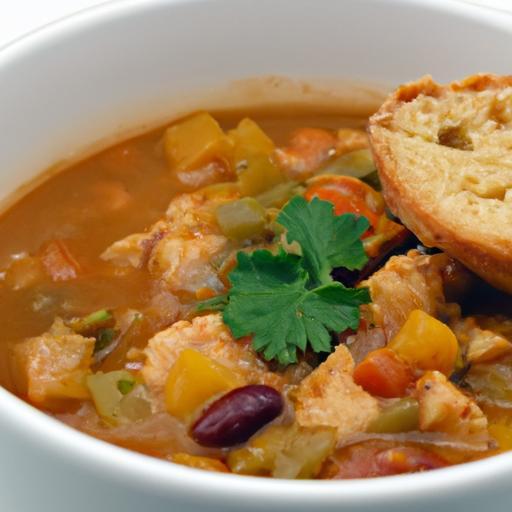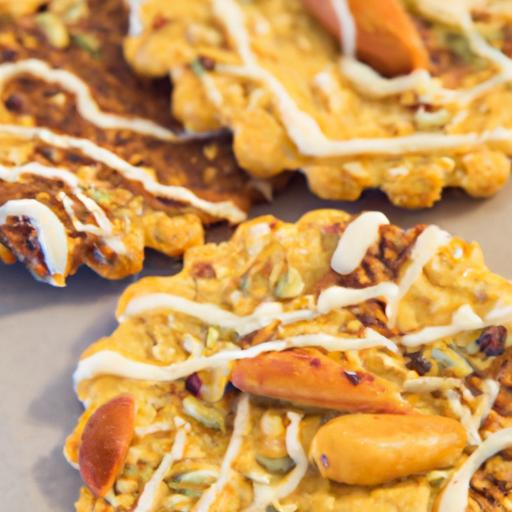

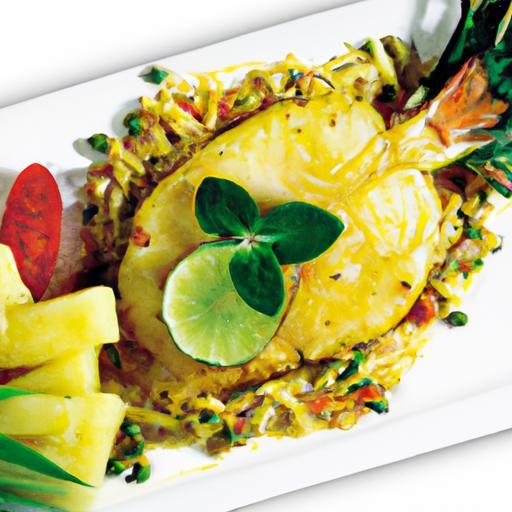
Nestled deep within the heart of the South Pacific, the Marquesas Islands are a vibrant tapestry of culture, tradition, and unparalleled natural beauty.Beyond their breathtaking landscapes and rich history lies a culinary heritage waiting to be explored – a symphony of flavors that tells the story of island life in every bite. In this guide, we invite you to embark on a sensory journey through the Marquesas, uncovering unique island recipes that have been lovingly passed down through generations.From fragrant spices to fresh, tropical ingredients, discover how these remote islands craft dishes that are as bold and captivating as the land itself. prepare to awaken your palate and bring a taste of the Marquesas into your kitchen.
Discover the Flavors of Marquesas begins with a deep dive into the island’s vibrant culinary traditions, where simplicity meets bold, tropical notes.This enchanting recipe captures the essence of Marquesan kitchen life-fresh, wholesome ingredients from the sea and earth, blended with customary readiness techniques passed down through generations. Transport yourself to a sun-kissed Marquesas beachside village with each bite as we explore rich, fragrant tastes shaped by the islands’ fertile soils and bountiful ocean.
Prep and Cook Time
Preparation: 20 minutes
Cooking: 30 minutes
Total Time: 50 minutes
Yield
Serves 4 - perfect for sharing a tropical feast with friends or family.
Difficulty Level
Medium: A few skillful steps, but fully approachable for home cooks eager to learn authentic island techniques.
Key Ingredients That Define Marquesan Flavors
- Fresh fish fillets (e.g., mahi-mahi or snapper) – 500g, sustainably sourced for delicate, flaky texture
- Green banana (unripe plantains) – 2 medium, peeled and sliced into thick rounds
- Coconut milk – 1 cup, rich and creamy, lending a natural sweetness
- Taro root – 200g, peeled and chopped, adding earthy depth
- Marquesan vanilla bean – 1 pod, split and scraped, aromatic and subtly sweet
- Fresh lime juice – 2 tablespoons, enhancing brightness and balance
- Garlic – 3 cloves, minced, essential savory undertone
- fresh ginger – 1 tablespoon, grated, for a gentle spicy warmth
- Sea salt – to taste, amplifying natural flavors
- Chopped fresh cilantro and chili flakes – for garnish and a light kick
Authentic Recipe: Coconut-Infused Marquesan Fish with Green Banana and Taro
- Prepare the green bananas and taro: Boil sliced green bananas and chopped taro in salted water for 15-20 minutes until tender but firm. Drain and set aside.
- Marinate the fish: In a bowl,combine the fresh fish fillets with garlic,grated ginger,lime juice,and a pinch of sea salt. Let them rest for 10 minutes to absorb the flavors.
- Make the coconut sauce: In a saucepan, pour the coconut milk and add the scraped Marquesan vanilla bean seeds along with the pod. Gently warm over low heat, stirring occasionally to avoid curdling, until fragrant-about 5 minutes.
- Cook the fish: In a hot skillet, lightly oil and sear the fish fillets until golden and just cooked through, about 3-4 minutes per side depending on thickness. Remove from heat and keep warm.
- Combine the elements: Gently fold the boiled green banana and taro into the warm coconut sauce, discarding the vanilla pod. Adjust seasoning with sea salt and a touch more lime juice for brightness.
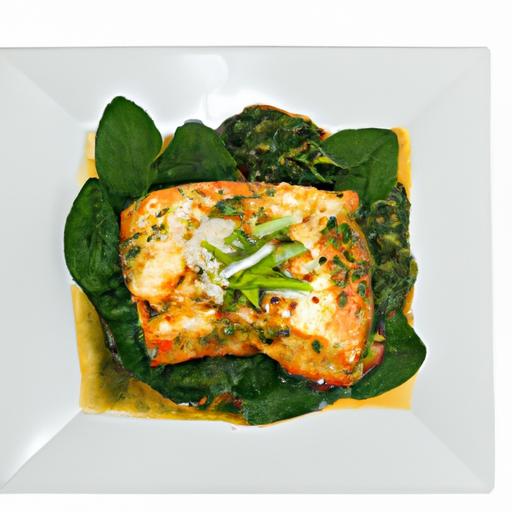
- Plate the dish: Lay the seared fish atop a bed of coconut-infused bananas and taro. Garnish with fresh chopped cilantro and a sprinkle of chili flakes for authentic warmth.
Tips for Success
- Select firm, fresh fish to ensure the best texture. Avoid fish that’s overly delicate or oily for this dish.
- Keep the coconut milk warm but do not boil to maintain its silky consistency and delicate aromatics.
- If green bananas are unavailable, use unripe plantains which offer a similar starchiness and subtle flavor.
- For a dairy-free garnish option, consider thinly sliced raw mango to add contrast and acidity.
- This dish can be prepared ahead by boiling bananas and taro in advance; reheat gently with coconut milk just before serving.
Serving Suggestions
Present this dish on a rustic wooden platter or radiant ceramic plate to echo island textures. Pair it with a side bowl of fresh pawpaw salad dressed in lime and chili for a refreshing counterpoint. A chilled glass of coconut water with lime and mint enhances the tropical flavors authentically.
Visualize the creamy coconut sauce bathing the golden fish next to the tender green banana rounds, sprinkled with fiery red chili flakes and vibrant emerald cilantro-an evocative slice of Marquesas culture on your dining table.
| Nutrient | Per Serving |
|---|---|
| Calories | 380 kcal |
| Protein | 38 g |
| Carbohydrates | 28 g |
| Fat | 14 g |

For a deeper exploration of Pacific island cooking techniques, visit our Tropical Island Recipes collection. Learn more about the cultural meaning of Marquesas ingredients through this detailed Britannica article on marquesas Islands.
Q&A
Q&A: Discover the Flavors of marquesas: A Unique Island Recipe Guide
Q1: What makes the Marquesas Islands’ cuisine so unique compared to other Polynesian islands?
A1: The Marquesas Islands boast a rugged, volcanic landscape that shapes its culinary identity. Unlike its coconut-rich neighbors, Marquesan cuisine is deeply rooted in hearty, land-based ingredients like taro, breadfruit, and island-grown fruits, combined with fresh catches from the surrounding Pacific. This blend of robust, earthy flavors with ocean freshness creates a truly distinctive island palate.
Q2: What are some staple ingredients commonly used in Marquesan recipes?
A2: Staples include starchy roots like taro and sweet potato,vibrant tropical fruits such as starfruit and passionfruit,along with breadfruit,coconut milk,and fresh fish varieties like mahi-mahi and tuna. Seaweed and native herbs also add an authentic touch to the dishes, lending both nutrition and unique flavor profiles.
Q3: Can you describe a traditional Marquesan dish that showcases the island’s flavors?
A3: One signature dish is Fafaru,a fermented fish delicacy that highlights the community’s intimate relationship with the sea. It’s prepared by marinating fresh fish with crushed shrimp and seawater, resulting in an intensely flavorful treat. Though an acquired taste, it embodies the island’s cultural heritage and bold culinary spirit.
Q4: How do Marquesan cooking methods differ from other Pacific islands?
A4: Marquesans often combine slow cooking techniques with raw preparations, balancing between the fiery earth and the cool ocean. They frequently use earth ovens called ahima’a, where food is wrapped and slow-baked underground, infusing dishes with smoky depth.Concurrently, fresh seafood is enjoyed raw or lightly cured, honoring the ocean’s bounty in its purest form.
Q5: Are there any unique Marquesan fruits or plants that are integral to their recipes?
A5: absolutely! Besides the well-known breadfruit and taro, Marquesans treasure the noni fruit and pandanus, which are used both in cooking and for flavoring drinks.The island’s wild hibiscus and native vanilla pods also lend subtle aromatics, bringing an exotic twist to both savory dishes and desserts.
Q6: What’s a great way for someone at home to begin experimenting with marquesan flavors?
A6: Start by incorporating staples such as coconut milk, taro, and fresh fish into your meals. Experiment with marinades that use citrus fruits like lime and passionfruit, paired with local herbs such as cilantro or basil. Baking root vegetables wrapped in banana leaves or foil can mimic the earth oven effect, offering a taste of island tradition from your own kitchen.
Q7: How do Marquesan chefs balance boldness and simplicity in their dishes?
A7: Marquesan cuisine celebrates natural ingredients without heavy embellishment. The chefs let the freshness of fish and the starchiness of roots shine,seasoning sparingly with salt,tangy tropical fruits,and aromatic herbs. This philosophy highlights the harmony between land and sea,reflecting the islanders’ respect for their surroundings.
Q8: Is Marquesan cuisine influenced by other cultures?
A8: while primarily Polynesian, Marquesan cuisine carries subtle influences from early European explorers and neighboring island groups. However, its isolated location has preserved native practices and ingredients, resulting in a culinary style that’s both authentic and evolved, showcasing resilience and creativity.
Q9: Can you recommend a Marquesan-inspired dessert?
A9: A fantastic treat is Po’e, a pudding made from mashed bananas or breadfruit blended with coconut milk and wrapped in banana leaves before steaming.Sweet yet simple, it captures the essence of island sweetness and showcases the resourcefulness of using local produce in delightful ways.
Q10: Where can food lovers experience Marquesan cuisine firsthand?
A10: While the remote nature of the Marquesas limits widespread exposure, travelers visiting islands like Nuku Hiva or Hiva Oa can enjoy community feasts, local markets, and small eateries serving traditional recipes. Engaging with locals frequently enough offers the richest experience-food here is more than sustenance; it’s a vibrant cultural expression waiting to be discovered.
In retrospect
As the sun sets over the turquoise horizons of the Marquesas, so too does this culinary journey come to a close.Yet, the island’s flavors linger-vivid, fresh, and timeless-inviting you to bring a piece of this remote paradise into your own kitchen. Weather it’s the smoky richness of grilled fish, the subtle sweetness of tropical fruits, or the earthy warmth of traditional root vegetables, each recipe tells a story of a culture deeply connected to its land and sea. Embrace these tastes, experiment boldly, and let the Marquesas’ unique culinary heritage inspire your next unforgettable meal. After all, true revelation goes beyond the island’s shores-it lives in the shared joy of food, culture, and tradition at your table.