
On a sweltering summer day, few delights offer as much refreshing joy as a bowl of bingsu-a Korean shaved ice treat that’s as visually stunning as it is indeed delectable. With its snowy, fluffy texture and vibrant toppings ranging from sweet red beans and chewy rice cakes to fresh fruit and condensed milk, bingsu has evolved from a humble street snack into a beloved cultural symbol and international sensation. In this article, we’ll dive deep into the origins, variations, and irresistible charm of bingsu, uncovering why this icy indulgence has captured the hearts and palates of dessert lovers around the world.Join us on a cool, culinary journey through Korea’s ultimate summertime bliss.
Origins and Evolution of Bingsu Delightful Layers and Must-Try Flavors Crafting the Perfect Bingsu Experience Where to Find Authentic Bingsu across Korea
Bingsu Bliss begins with a story as refreshing as the dessert itself.This iconic Korean shaved ice treat traces its roots back to the Joseon Dynasty,where crushed ice served with sweet red beans was a summertime luxury for the royal court. Over the decades, bingsu has evolved beautifully, transforming from a simple ice and bean concoction into a vibrant array of textures, colors, and flavors that delight all senses. today, bingsu bliss is a symbol of Korean dessert ingenuity, embracing both tradition and innovation in every spoonful.
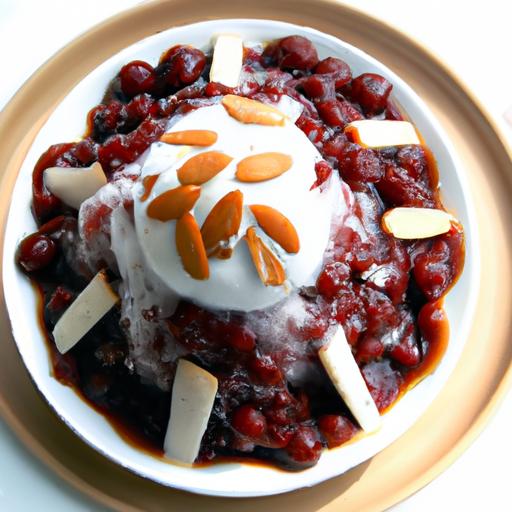
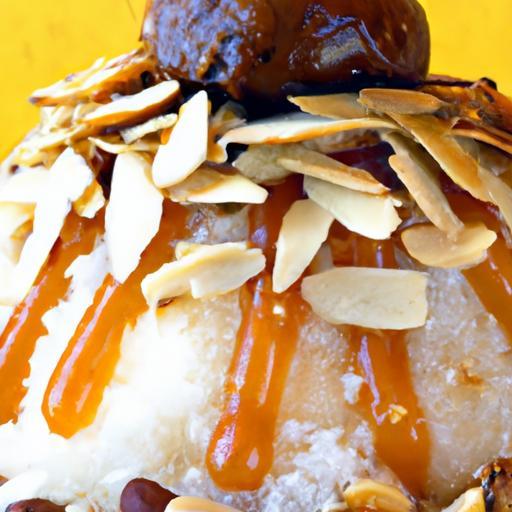
The art of crafting bingsu lies in its delightful layers. The base is always supremely fine shaved ice-almost powder-like-that melts instantly in your mouth. This is generously blanketed with rich toppings such as sweetened condensed milk, fresh fruits, chewy rice cakes (tteok), crunchy nuts, and syrups that range from nutty to floral. Among the must-try flavors, patbingsu (red bean bingsu) remains a beloved classic, while modern variations feature mango, strawberry, green tea (matcha), and even cheesecake bits, each offering a unique twist on this timeless dessert. These layers create a symphony of textures, from icy lightness to creamy decadence and chewy surprises.
Prep and Cook time
- Preparation Time: 15 minutes
- Assembly Time: 10 minutes
- Total Time: 25 minutes
Yield
Serves 2 generous portions or 4 small servings, perfect for sharing.
Difficulty Level
Easy – perfect for home cooks of all skill levels eager to recreate the refreshing magic of bingsu bliss.
Ingredients
- 3 cups ice cubes (preferably purified water for clarity and purity)
- 1/2 cup sweetened red beans (pat)
- 1/2 cup fresh strawberries, hulled and halved
- 1/4 cup ripe mango chunks
- 1/4 cup sweetened condensed milk
- 1/4 cup chewy rice cake cubes (tteok)
- 2 tbsp toasted almond slivers
- 2 tbsp crushed cornflakes or granola for crunch
- 1 tbsp honey or syrup (optional, for added sweetness)
- A few mint leaves for garnish
Instructions
- prepare the shaved ice: Using a shaved ice machine or a high-powered blender with ice-crushing capabilities, finely shave or crush the ice until it resembles a light, fluffy snow.
- Layer the base: Divide half of the shaved ice evenly between two bowls, gently pressing to create a compact layer that will hold the toppings well.
- Add sweet red beans: Spoon a generous 1/4 cup of sweetened red beans on top of the ice in each bowl, spreading evenly.
- Assemble fruit and tteok: Arrange mango chunks and strawberry halves artistically over the beans, than scatter chewy rice cake cubes evenly atop the fruit layers.
- Top with remaining shaved ice: Carefully pile the rest of the shaved ice over the toppings to form a mountain-like mound – the signature shape of a stunning bingsu presentation.
- Garnish and drizzle: Drizzle sweetened condensed milk slowly over the entire mound, allowing it to seep into the layers. Sprinkle toasted almonds and crushed cornflakes to lend textural contrast.
- Final touch: Add a few fresh mint leaves for an aromatic lift and serve instantly to enjoy the contrast between cold ice and rich toppings.
Tips for Success
- Ice quality: Use purified or filtered water to make ice for the cleanest flavor and clearest, lightest texture.
- Shaving technique: Achieving the right shaved ice texture is key-aim for powdery snow-like ice instead of crushed chunks to truly capture bingsu bliss.
- Toppings variations: Try substituting fruits by season (like peaches in summer or chestnuts in fall) to keep your bingsu fresh and exciting.
- Make-ahead components: Prepare sweetened red beans a day in advance and refrigerate; toast nuts fresh to maintain crunchiness.
- Layering tip: Press toppings gently into the ice to avoid immediate melting but keep the flavors integrating beautifully.
Serving Suggestions
Present bingsu in wide, clear glass bowls to showcase its multi-dimensional layers. Pair it with fine porcelain spoons for elegant serving. For an added visual delight, adorn with edible flowers or vibrant fruit slices on the rim. Serve immediately while the ice remains fluffy and cold-this dessert is a fleeting pleasure best enjoyed fresh.
| Nutrient | Per Serving (1/2 recipe) |
|---|---|
| Calories | 220 kcal |
| Protein | 4 g |
| Carbohydrates | 45 g |
| Fat | 3 g |

Looking to dive deeper into Korean desserts? Discover our detailed guide on Korean Dessert Classics You Must Try and explore how bingsu bliss fits into Korea’s rich culinary heritage. For historical context, Wikipedia’s Bingsu entry provides excellent insights into the evolution of this icy delight.
Q&A
Q&A: Bingsu Bliss – Exploring Korea’s Irresistible Shaved Ice Treat
Q1: What exactly is Bingsu?
A1: Bingsu (빙수) is a beloved Korean dessert made from finely shaved ice topped with a variety of sweet and colorful ingredients. Its texture is delightfully light and fluffy-reminiscent of freshly fallen snow-making it a refreshing indulgence,especially during warm weather.
Q2: How is Bingsu different from other shaved ice desserts?
A2: Unlike many shaved ice desserts that use coarse ice cubes, Bingsu features ultra-thin, delicate layers of ice shaved from blocks of frozen milk or water, resulting in a creamy, melt-in-your-mouth consistency. The toppings are also uniquely Korean, ranging from sweetened red beans and chewy rice cakes (tteok) to fresh fruit and condensed milk.
Q3: What are some classic Bingsu toppings?
A3: Customary Bingsu ofen features sweetened red bean paste (pat), chewy rice cakes, fresh strawberries or mangoes, condensed milk drizzle, and sometimes nuts or cereal flakes for crunch. Green tea (matcha) powder, roasted soybean flour (kinako), and sweetened cornflakes have become popular additions as well.Q4: Can Bingsu be enjoyed year-round, or is it just a summer treat?
A4: While Bingsu is most popular in the hot summer months due to its cooling effect, many Korean dessert cafes serve it all year, transforming it into a fun, year-round sweet treat. Its light texture makes it a perfect palate cleanser after a heavy meal or a delightful snack anytime.
Q5: Are ther any regional or modern twists on Bingsu?
A5: Absolutely! Modern Bingsu varieties incorporate international flavors like chocolate, coffee, cheesecake pieces, and even tropical fruits such as kiwi and pineapple. Some cafes feature seasonal specials with ingredients like pumpkin or sweet potato during autumn, showcasing creativity and local produce.
Q6: How is Bingsu traditionally prepared at home?
A6: Home preparation involves freezing blocks of milk or lightly sweetened water, then shaving these blocks finely with a special shaved ice machine or manual scraper. Toppings are arranged artfully on top,often layering with fresh fruits,sweet red beans,and a drizzle of condensed milk.The key is achieving that light, snow-like ice texture.
Q7: Is Bingsu suitable for dietary restrictions or preferences?
A7: Bingsu is quite versatile! For those avoiding dairy, versions made with fruit juices or coconut milk can be enjoyed. Vegan-kind toppings like fresh fruits, nuts, and rice cakes are common. Just be mindful to confirm ingredients-especially the type of milk used in the ice or any added condensed milk-to suit personal dietary needs.
Q8: Where is the best place to experience authentic Bingsu in Korea?
A8: Seoul’s bustling neighborhoods like Myeongdong, Hongdae, and Insadong are filled with cozy cafés specializing in Bingsu. For an authentic experience, seek out shops known for slow-shaved ice and traditional toppings. Outside the capital, local specialty shops often add regional flair that’s every bit as delightful.
Q9: Why has Bingsu become so popular internationally?
A9: Bingsu’s irresistible combination of refreshing coolness,subtle sweetness,and artistic presentation appeals to a global audience. Its adaptability to local tastes and Instagram-worthy aesthetics have helped it transcend borders, turning a simple Korean treat into a worldwide phenomenon.
Q10: What’s the best way to enjoy Bingsu to fully savor its flavors?
A10: to truly enjoy Bingsu, dig in right after it’s served to appreciate the delicate ice texture before it melts. Mix the toppings gently with the ice to experience the harmonious balance of flavors and textures-from creamy milk ice to chewy rice cakes and juicy fruits.Sharing Bingsu with friends makes the experience even sweeter!
With its snowy texture and medley of delightful toppings, Bingsu is more than just shaved ice; it’s a cultural journey and refreshing escape all in one bowl. Weather you crave traditional sweets or modern twists, this Korean gem invites you to indulge in blissful bites of cool perfection.
To Wrap It Up
As the layers of syrup-soaked ice melt into a creamy cloud of sweetness, Bingsu reveals itself as more than just a dessert-it is indeed a refreshing ritual, a cultural icon, and a canvas for endless creativity. Whether you’re wandering through bustling Seoul cafes or crafting your own version at home, this Korean shaved ice treat invites you to savor summer in every spoonful. So, next time the heat rises and your cravings peak, dive into the blissful world of Bingsu, where tradition meets innovation in a chilled symphony of flavor. Your taste buds-and your soul-will thank you.