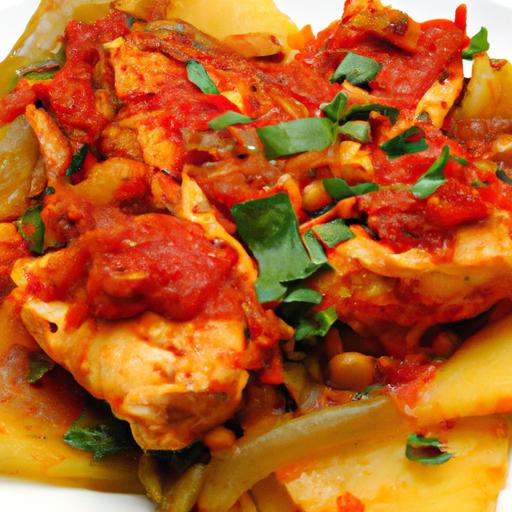

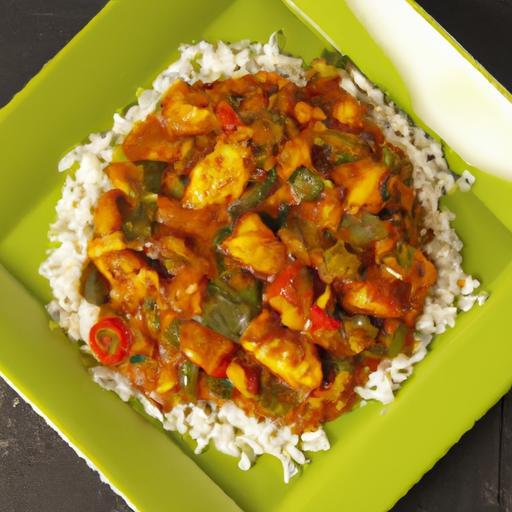
in the heart of Zambia’s vibrant culinary landscape lies a dish that is much more than just a meal-Nshima with Chicken is a savory symphony of tradition, culture, and comfort. This beloved staple, often passed down thru generations, embodies the essence of Zambian hospitality and ingenuity. Made from finely pounded maize, nshima forms the wholesome base that perfectly complements tender, flavorful chicken stewed too rich, aromatic perfection.Together, they tell a story not only of nourishment but of community and heritage, inviting food lovers to experiance a taste that transcends the plate and connects them with the spirit of zambia.
Exploring the Cultural Roots of Zambian Nshima and Chicken
Zambian Nshima with Chicken beautifully captures the heart of Zambia’s culinary heritage, inviting you into a world where tradition and flavor intertwine effortlessly. Rooted in communal gatherings and daily meals alike, nshima-the staple maize-based dish-symbolizes unity and sustenance. Paired with tender, richly spiced chicken, this dish becomes more than food; it is a festivity of culture and a testament to generations of Zambian home cooks who perfected the balance of texture and taste.
Growing up, my family’s kitchen was alive with the rhythmic stirring of nshima, while the savory aromas of simmering chicken infused every corner. This experience inspired countless hours of experimenting and mastering the art of nailing the perfect consistency of nshima and selecting the best chicken cuts to complement it. Join me as we explore how to bring that warm, authentic flavor into your own kitchen.
Prep and Cook Time
- Planning: 15 minutes
- Cooking: 45 minutes
- Total Time: 1 hour
Yield
Serves 4 generous portions
Difficulty Level
Medium – requires attention to texture and proper cooking techniques
Ingredients
-
- For the Nshima:
- 2 cups white maize meal (cornmeal), sifted
- 4 cups water, divided
- Pinch of salt
- For the Chicken:
- 1.5 lbs chicken thighs and drumsticks, bone-in and skin-on
- 2 tablespoons vegetable oil
- 1 large onion, finely chopped
- 3 cloves garlic, minced
- 1 tablespoon grated fresh ginger
- 2 medium tomatoes, chopped
- 1 small chili pepper, deseeded and chopped (optional for heat)
- 1 teaspoon paprika
- 1 teaspoon ground coriander
- 1 teaspoon dried thyme
- 1/2 teaspoon ground black pepper
- 1 teaspoon salt, or to taste
- 1 cup chicken broth or water
- Fresh parsley or coriander leaves, chopped, for garnish
- For the Nshima:
Instructions
-
-
- Prepare the Nshima: Bring 3 cups of the water and a pinch of salt to a rolling boil in a heavy-bottomed pot. In a separate bowl,mix the maize meal with the remaining cup of cold water to form a smooth paste.
- Reduce the heat to medium and gradually add the maize paste to the boiling water, stirring vigorously with a wooden spoon to prevent lumps.
- Add the remaining maize meal gradually while stirring continuously until the mixture thickens into a stiff dough-like texture. Use the back of the spoon to press and turn the nshima in the pot. Cover and simmer on low heat for 10-12 minutes, turning occasionally for even cooking.
- Select and Season the Chicken: While nshima cooks,heat vegetable oil in a large skillet over medium heat. Rinse and pat dry the chicken pieces to ensure crisp skin.
- Add the chicken pieces skin-side down and cook until golden brown, about 7 minutes per side. Remove and set aside.
- In the same skillet, sauté the chopped onion until translucent, about 5 minutes. Stir in the garlic, ginger, and chili pepper (if using) and cook for an additional 2 minutes, releasing their fragrant aromas.
- Add chopped tomatoes,paprika,coriander,thyme,black pepper,and salt. Simmer until the tomatoes break down and form a thick sauce, about 8 minutes.
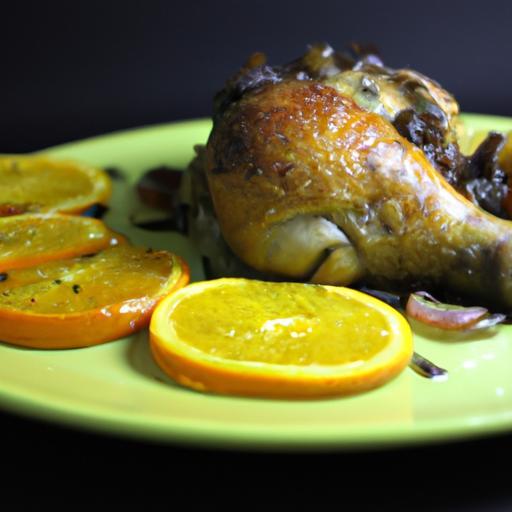
- Return the chicken to the skillet, coating with the sauce. Pour in the chicken broth, bring to a gentle simmer, then cover and cook for 20-25 minutes until the chicken is tender and infused with the spices.
- Final touches: Adjust seasoning if needed.Garnish with fresh parsley or coriander leaves for a vibrant contrast.
- Serve the hot chicken alongside firm, piping-hot nshima. Use your hands to mold the nshima into small balls and dip into the chicken sauce for the most authentic experience.
-
Tips for Success
-
-
- Getting the Perfect Nshima Texture: Stir briskly when adding maize meal to boiling water and avoid lumps by mixing maize meal with cold water first.
- chicken Choice: Using skin-on bone-in thighs and drumsticks offers juiciness and depth of flavor perfect for this dish.
- Serving Warm: Nshima thickens as it cools, so keep it warm covered and serve immediately.
- Adjust Spice Levels: Modify chili amount to suit your heat preference or omit for mild flavor.
- Make-ahead: The chicken can be braised a day in advance and reheated gently without losing moisture.
-
Serving suggestions
Serve your Zambian Nshima with Chicken alongside traditional vegetable relishes such as steamed greens or sautéed pumpkin leaves. Garnish with fresh herbs to brighten the plate. For a complete cultural experience, present nshima in rustic wooden bowls and enjoy communal sharing-the hallmark of Zambian hospitality.

| Nutrient | Per Serving |
|---|---|
| Calories | 450 kcal |
| Protein | 35 g |
| Carbohydrates | 48 g |
| Fat | 12 g |
For further insight into the rich maize traditions and nutritional impact, visit FAO’s maize page.
Q&A
Q&A: Zambian Nshima with chicken – A Savory Taste of Tradition
Q1: What is nshima, and why is it considered a staple in Zambian cuisine?
A1: nshima is a thick, porridge-like dish made from finely ground white maize flour, commonly known as cornmeal.It holds a special place in Zambian culture because it’s more than just food-nshima is a symbol of community, nourishment, and tradition. Every meal frequently enough revolves around it, bringing families together to share stories, laughter, and a satisfying taste of home. Its subtle flavor makes it the perfect base for soaking up richly flavored relishes, like savory chicken stews.
Q2: How is nshima traditionally prepared?
A2: Preparing nshima is an art as well as a science. Water is brought to a boil, then thick maize meal is gradually stirred in to form a stiff porridge. The mixture is continuously stirred and pounded until it reaches a smooth, firm consistency-thick enough to hold shape, but still tender. The process requires patience and skill, as the texture is key to an authentic nshima experience.
Q3: What makes chicken an ideal accompaniment to nshima?
A3: Chicken provides a hearty, flavorful protein that complements the mild, comforting taste of nshima perfectly. Whether stewed slowly with tomatoes, onions, garlic, and local spices, or roasted with a hint of chili and herbs, the tender chicken adds depth and savoriness. Its juicy texture contrasts beautifully with the dense, doughy nshima, creating a balanced and fulfilling meal deeply rooted in Zambian tradition.
Q4: are there particular spices or herbs used in Zambian chicken dishes served with nshima?
A4: Yes! Zambian chicken dishes often include a blend of simple yet powerful ingredients such as garlic, onions, fresh tomatoes, chili peppers, and sometimes aromatics like curry powder or natural herbs like basil and parsley. These elements build a rich, layered flavor profile without overpowering the chicken’s natural taste, harmonizing gracefully with nshima.
Q5: Can nshima with chicken be considered a healthy meal?
A5: Absolutely. Nshima is gluten-free and made from maize, a good source of carbohydrates that provides sustained energy. Paired with lean chicken, which is rich in protein, vitamins, and minerals, this dish offers balanced nutrition. When cooked with fresh vegetables and minimal oil, it becomes not only a comforting cultural delight but also a wholesome, nourishing option.
Q6: how do Zambians typically eat nshima with chicken?
A6: Traditionally, nshima is eaten by hand-small portions are pinched off, rolled into a ball, and then used to scoop up the chicken and relish. This tactile way of eating fosters connection, mindfulness, and a shared experience around the meal, emphasizing food as a social and cultural event rather than just sustenance.
Q7: Is nshima with chicken enjoyed during special occasions, or is it an everyday meal?
A7: Nshima with chicken spans all moments-from everyday family dinners to festive gatherings. On special occasions, the chicken might be prepared with extra care or additional ingredients, making it a centerpiece dish. Despite its versatility, the dish always carries a sense of warmth and tradition, invoking memories and a comforting sense of belonging.
Q8: How has nshima with chicken influenced modern Zambian cuisine?
A8: As Zambia’s culinary landscape evolves,chefs and home cooks alike continue to honor nshima with chicken by experimenting with innovative twists-such as incorporating indigenous vegetables,slow-cooking techniques,or creative spice blends. Yet, the heart of the dish remains intact, preserving its role as a appetizing, grounding taste of Zambian heritage.
By exploring nshima with chicken, we uncover how food so simple can capture culture, community, and comfort all on one plate-a savory legacy passed down through generations.
Closing remarks
As the sun sets over Zambia’s vibrant landscapes, the humble plate of nshima with chicken stands as a testament to the country’s rich culinary heritage and communal spirit.This dish, simple yet profound, invites not only a feast for the senses but also a deeper connection to tradition and togetherness. Whether savoring it in a bustling market or sharing it around a family table, nshima with chicken offers more than nourishment-it offers a savory taste of Zambia’s soul, a flavorful story passed down through generations, waiting to be discovered bite by bite.