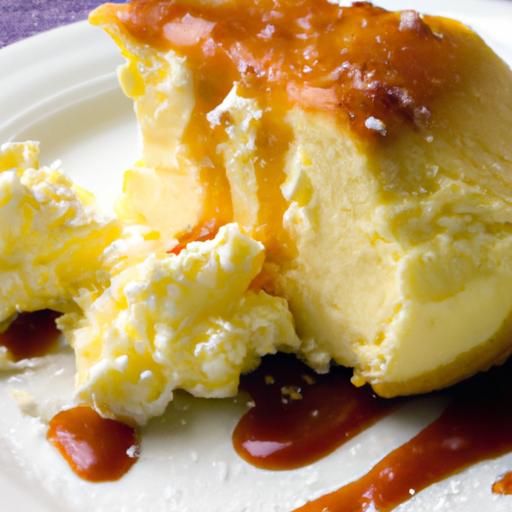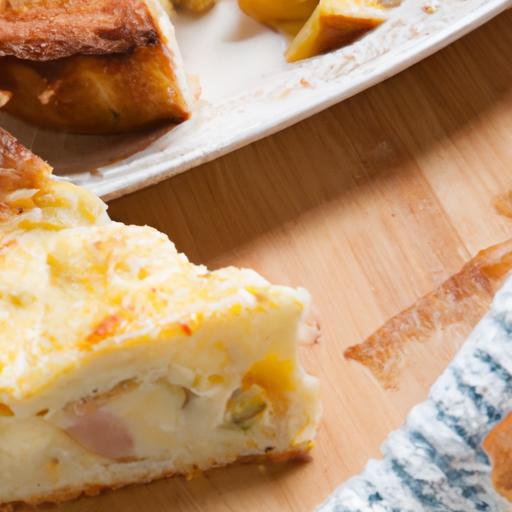

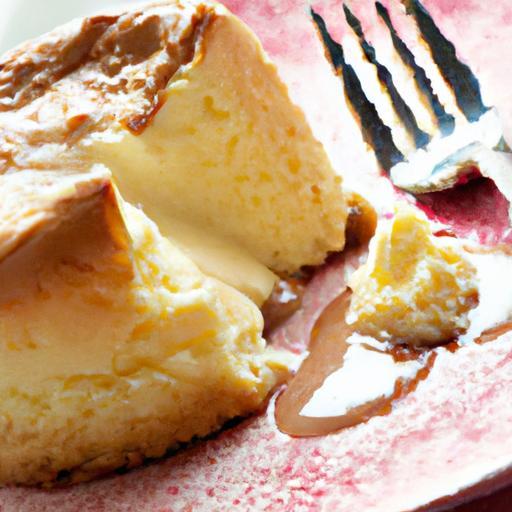
In the world of desserts, few creations captivate the senses quiet like the ethereal Japanese cotton cheesecake. Known for its remarkably light texture adn subtle,melt-in-your-mouth sweetness,this fluffy delight has elevated cheesecake from a dense,rich treat too an airy symphony of flavor and finesse. Rooted deeply in Japanese culinary artistry, the cotton cheesecake is more than just a dessert-it’s a testament to precision, patience, and passion. Join us as we unravel the art behind this delicate confection, exploring its origins, unique techniques, and the reasons why it continues to enchant dessert lovers around the globe.
Fluffy Delight is not just a dessert; it’s a sublime experience that captures the very essence of lightness and subtle sweetness. Originating from Japan, this heavenly cotton cheesecake stands apart with its airy texture, a gentle blend of traditional Western cheesecake and Japanese soufflé techniques. Having spent years perfecting its delicate crumb,I can attest that mastering the nuances-from the choice of ingredients to the whisking method and baking precision-elevates this cake into a truly unforgettable treat.
Prep and Cook Time
- Readiness: 20 minutes
- Baking: 50-60 minutes
- Cooling: 1 hour
Yield
- Serves 8-10 slices
Difficulty Level
- Medium
Ingredients
- 200g cream cheese, softened
- 50g unsalted butter, melted and cooled
- 100ml whole milk, warmed
- 6 large eggs, separated
- 140g granulated sugar, divided
- 60g cake flour, sifted
- 20g cornstarch, sifted
- 1/4 tsp cream of tartar (optional, for stabilizing egg whites)
- 1 tbsp lemon juice or fresh lemon zest (optional for brightness)
- Pinch of salt
Instructions
- Preheat your oven to 320°F (160°C). Prepare an 8-inch round springform pan by lining the bottom and sides with parchment paper. Wrap the outside with aluminum foil to prevent water from seeping in during the water bath baking.
- In a heatproof bowl set over a gentle simmer of hot water, soften the cream cheese by beating it until smooth. Slowly incorporate the melted butter and warm milk, mixing until completely silky.
- Add the egg yolks one at a time to the cream cheese mixture, whisking well after each addition. Incorporate the lemon juice or zest and a pinch of salt for subtle flavor depth.
- Gently fold in the sifted cake flour and cornstarch until just combined. Avoid overmixing to keep the batter light.
- In a separate clean bowl, add the egg whites and cream of tartar. Using an electric mixer, beat the egg whites until foamy, then gradually add half of the sugar (70g) and continue whipping to soft peaks.
- Add the remaining sugar and beat again until you reach stiff peaks that hold firm but are still glossy.
- Carefully fold one-third of the meringue into the cream cheese batter to lighten it. Then fold in the remaining meringue gently but thoroughly, making sure not to deflate the air bubbles that create the signature fluffy texture.
- Pour the batter into the prepared pan. Place the pan in a larger roasting pan and carefully pour hot water into the roasting pan until it reaches halfway up the sides of the springform pan.
- Bake for 50 to 60 minutes. The cake should rise with a delicate golden top and be set but still slightly wobbly in the center.
- Turn off the oven,leave the door ajar,and let the cake cool slowly for 15 minutes inside-this prevents cracking.
- Remove the cheesecake from the water bath and cool completely on a wire rack before refrigerating for at least 4 hours, preferably overnight, to develop its full flavor and texture.
Chef’s Notes
- Ingredient quality: Use full-fat cream cheese and fresh eggs for the optimal creamy texture and lift.
- Whisking technique: When folding in the meringue, use a gentle folding motion from bottom to top with a spatula. This preserves the air crucial for the cake’s fluffiness.
- Oven temperature: An oven that is too hot will brown the top too quickly and risk cracking; if too low, the cake won’t set properly. Adjust your baking time slightly based on your oven’s tendencies.
- Water bath baking: Essential for gentle, even heat that keeps your Fluffy Delight moist and prevents it from drying out or curdling.
- Make-ahead tip: The cheesecake tastes even better the next day as it settles.Wrap tightly and refrigerate for up to 3 days.
- Substitutions: For dairy-free, replace milk and butter with almond milk and vegan butter substitutes, but results may vary.
Serving Suggestions
This Fluffy Delight shines when plated simply to highlight its ethereal texture. Dust with a light sprinkle of powdered sugar or drizzle a gentle honey glaze over the top. Fresh berries, a spoonful of whipped cream, or a side of matcha green tea sauce complement its subtle sweetness beautifully. Serve chilled for the cleanest taste and fluffiest bite.
| Nutritional Info (per slice) | Calories | Protein (g) | Carbs (g) | Fat (g) |
|---|---|---|---|---|
| Fluffy Delight Japanese Cotton Cheesecake | 210 | 6 | 18 | 13 |
For those fascinated by the cultural craftsmanship behind Fluffy Delight, explore our Japanese dessert guide here and gain even more culinary insight.For deeper scientific understanding of meringue stability and baking methods, the Journal of Food Science offers excellent resources.

Q&A
Q&A: Fluffy Delight – The Art of Japanese Cotton Cheesecake
Q1: What makes Japanese cotton cheesecake different from traditional western cheesecakes?
A1: Japanese cotton cheesecake is renowned for its ethereal lightness and cloud-like texture, a far cry from the dense, creamy Western-style cheesecakes. Its secret lies in the careful folding of whipped egg whites into a cream cheese batter, resulting in a soufflé-like softness that practically melts on your tongue.
Q2: Why is it sometimes called the “cotton” cheesecake?
A2: The nickname “cotton” comes from its delicate, airy consistency which resembles a fluffy cotton ball. This extraordinary texture is key to the cake’s identity and charm, making it feel as light as a puff of air though it’s deeply rich in flavor.
Q3: What are the core ingredients used in a Japanese cotton cheesecake?
A3: The essentials include cream cheese, fresh eggs, sugar, milk, butter, and a bit of flour and cornstarch. These simple ingredients, when combined with precise technique, create the cake’s signature balance of creamy tang and delicate sweetness.
Q4: How vital is the technique in achieving the perfect texture?
A4: Technique is everything! Folding the meringue gently into the batter preserves the air bubbles that give the cake its volume and fluffiness. Overmixing or underwhipping the egg whites can cause the cake to be dense or collapse, so patience and finesse are vital.
Q5: Does the baking method differ from other cheesecakes?
A5: Yes, Japanese cotton cheesecake is often baked in a water bath (bain-marie). This gentle, moist heat prevents cracking and ensures even cooking, contributing to the cake’s soft, tender crumb and shiny, golden surface.
Q6: Can Japanese cotton cheesecake be flavored or adapted?
A6: Absolutely! While the classic recipe shines on its own, variations gently incorporate flavors like yuzu citrus, matcha, or even a whisper of vanilla. The key is subtlety, so the characteristic airy texture and delicate flavor remain front and center.
Q7: What’s the best way to serve and enjoy this cheesecake?
A7: Traditionally, it’s served chilled or at room temperature, sometimes dusted lightly with powdered sugar. Its lightness makes it an ideal accompaniment to green tea or a simple fresh fruit garnish, creating an elegant dessert experience that’s both comforting and refined.
Q8: Is Japanese cotton cheesecake suitable for special occasions?
A8: Without a doubt! Its beautiful rise and soft texture make it a show-stopping centerpiece that impresses guests with its unique charm and subtle sophistication. Whether for a birthday or an afternoon treat, it’s a delightful choice for memorable moments.
Q9: Are there any common pitfalls beginners should avoid?
A9: A few key tips: don’t underwhip the meringue-your peaks should be firm but glossy. Be gentle folding the meringue into the batter to keep the air intact. Lastly, avoid opening the oven door too early to prevent the cake from deflating. Mastering these ensures your cake rises perfectly and stays irresistibly soft.
Q10: Why is Japanese cotton cheesecake frequently enough considered an art form?
A10: As it harmonizes simplicity and skill, tradition and innovation, into a single bite that feels almost like a gentle cloud of flavor. It’s not just baking-it’s a dance of ingredients and technique that celebrates lightness, patience, and the joy of creation. The result is a culinary masterpiece that delights both eyes and palate.
To Wrap It Up
As you close the page on the delicate world of Japanese cotton cheesecake,you’ve not only uncovered a dessert but a gentle festivity of artistry and patience. Fluffy Delight is more than just a cake-it’s a harmonious blend of tradition and innovation, where lightness meets lusciousness in every cloud-like bite. Whether you’re a seasoned baker or a curious sweet seeker, the art of this ethereal confection invites you to slow down, savor each moment, and perhaps even bring a little softness to your day. So next time you crave a treat that’s as much about texture and technique as it is about taste,remember the fluffiness that has captured hearts worldwide-Japanese cotton cheesecake,the sweetest whisper of culinary craftsmanship.