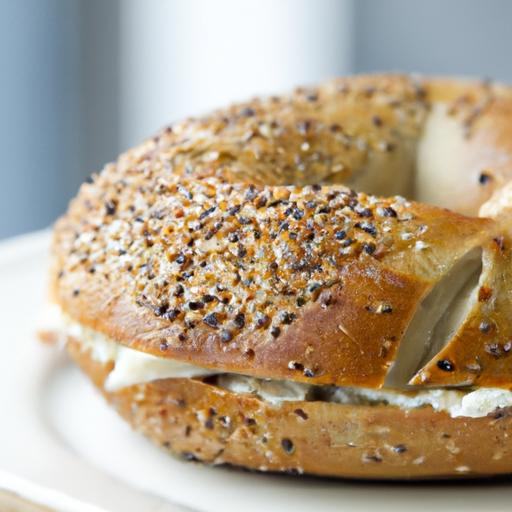

In a world where dietary needs and flavor adventures intersect, the humble bagel is undergoing a flavorful conversion. Once inseparable from its classic wheat foundation, the bagel is breaking free from gluten’s grasp to embrace a new era of taste and texture. Welcome to the rise of gluten-free bagels-where innovation meets tradition, and every bite tells a story beyond wheat. In this article, we explore how bakers and food enthusiasts alike are reinventing this beloved circular treat, proving that you don’t need gluten to craft a bagel that’s as satisfying as it is scrumptious.
Beyond Wheat: The Rise of Delicious Gluten-Free Bagels has revolutionized the way we think about this beloved bakery staple. As someone who’s passionately explored traditional bagel crafting and ventured deep into gluten-free alternatives,I’ve discovered that unlocking the magic of gluten-free bagels means embracing innovative flours and mastering textures without sacrificing flavor or chew. This journey celebrates how the perfect gluten-free bagel can be just as indulgent, satisfying, and visually stunning as its wheat-based counterpart.
Prep and Cook Time
- preparation: 45 minutes (including dough resting)
- cooking: 25 minutes
- Total Time: 1 hour 10 minutes
yield
8 medium-sized gluten-free bagels
Difficulty Level
Medium – Requires attention to mixing and boiling techniques for best chewiness
Ingredients
- 1¾ cups gluten-free all-purpose flour,blend with xanthan gum included
- ½ cup tapioca starch (for elasticity and chew)
- 2 tsp instant yeast
- 2 tbsp granulated sugar
- 1 tsp kosher salt
- 1 cup warm water (100-110°F)
- 1 large egg,beaten for egg wash
- 1 tbsp baking soda,for boiling water
- Semi-sweet or savory topping options (sesame seeds,poppy seeds,everything seasoning,coarse sea salt,toasted garlic bits)
Instructions
- Activate the yeast: In a small bowl,combine the warm water,sugar,and yeast. Let it sit for 5-10 minutes until the mixture becomes frothy,signaling active yeast.
- Mix dry ingredients: In a large mixing bowl,whisk together the gluten-free all-purpose flour,tapioca starch,and salt.
- Create the dough: Pour the yeast mixture into the dry ingredients and use a sturdy spoon or stand mixer fitted with a dough hook to combine until a slightly sticky but workable dough forms. The dough will be softer than traditional bagel dough – that’s perfect.
- First rise: Cover the bowl with plastic wrap or a damp towel and let the dough rest in a warm spot for 30 minutes. It should puff slightly but may not double in size as wheat doughs do.
- Shape your bagels: Dust your hands lightly with gluten-free flour. Divide the dough into 8 equal portions. Roll each into a ball, then poke a hole in the center with your finger and gently stretch to form a ring about 2 inches wide to mimic classic bagels.
- Prepare boiling water: Bring a large pot of water to a boil.Add the baking soda (this alkaline bath promotes the signature bagel crust and chewiness).
- Boil the bagels: Carefully drop 2-3 bagels at a time into the boiling water.Boil each side for 60 seconds, flipping once. Remove with a slotted spoon and transfer to a parchment-lined baking sheet.
- Apply egg wash and toppings: Brush each bagel generously with beaten egg. Sprinkle with your choice of toppings to create a vibrant, textured finish.
- Bake to perfection: Preheat your oven to 425°F (220°C). Bake the bagels for 18-20 minutes until golden brown and firm to the touch. Cool on a wire rack to set the crust.
Tips for success with gluten-Free Bagels
- choose your gluten-free flour wisely: A blend with rice flour, tapioca starch, and xanthan gum works best to replicate bagel chew and elasticity.
- Don’t skip the baking soda bath: It’s critical for achieving that chewy crust synonymous with traditional bagels.
- Moisture balance is key: Gluten-free dough can be sticky; avoid adding excess flour while shaping or your final bagels might turn dense.
- Make-ahead tip: Freeze boiled, raw bagels before baking. When ready,bake directly from frozen adding a couple extra minutes.
- Experiment with flavors: Swirl in herbs or finely chopped olives into the dough before rising for a savory twist.
Serving Suggestions
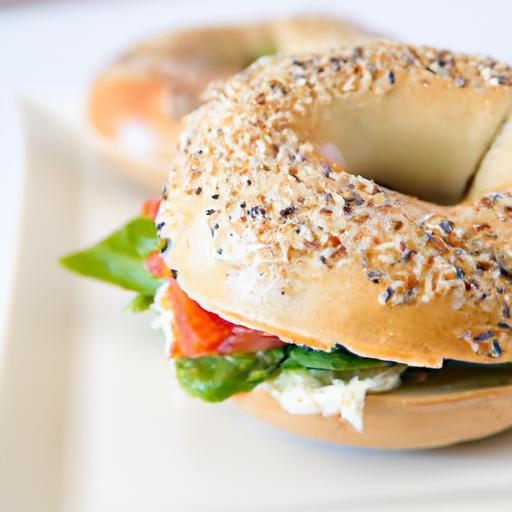
These gluten-free bagels shine when served toasted with a generous spread of whipped cream cheese, a drizzle of honey, or topped with smoked salmon and fresh dill for a classic brunch. For an adventurous bite,layer with avocado slices,pickled onions,and a sprinkle of za’atar.Visual appeal is enhanced by vibrant toppings-consider using everything seasoning for that quintessential bagel look and bold flavor contrast.
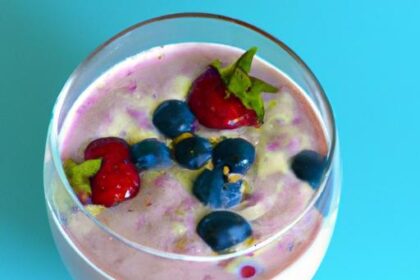
Pair your bagel with a side of mixed greens lightly dressed with lemon vinaigrette or a fruity smoothie to round out a nutritious,satisfying meal.

| Nutrient | Per Bagel |
|---|---|
| Calories | 210 kcal |
| Protein | 5 g |
| Carbohydrates | 42 g |
| Fat | 2.5 g |
Explore more gluten-free baking tips and nourishing recipes in our Gluten-free Baking Basics series to deepen your mastery beyond bagels. For insights into the science behind gluten-free flours, visit Celiac Disease Foundation.
Q&A
Q&A: Beyond Wheat – The Rise of Delicious Gluten-Free Bagels
Q1: What has sparked the recent surge in popularity of gluten-free bagels?
A1: The gluten-free movement, once niche, has blossomed into a lifestyle embraced by many-from those with celiac disease to wellness enthusiasts seeking digestive ease. Advances in gluten-free baking technology mean today’s bagels deliver the chewy, dense texture and hearty flavor traditionally associated with wheat, without the gluten. This innovation, combined with growing demand for diverse, inclusive food options, has propelled gluten-free bagels into the spotlight.
Q2: How do gluten-free bagels achieve the signature chewiness that bagels are known for?
A2: Achieving that classic bagel chewiness without gluten is an art-and a science. Bakers blend choice flours such as brown rice, tapioca, and sorghum with natural binders like xanthan gum or psyllium husk.These ingredients mimic gluten’s elastic properties, creating that much-loved bounce and bite. Additionally, traditional steps like boiling the bagels before baking remain integral, ensuring the perfect crust and moisture balance.
Q3: Are gluten-free bagels just healthy alternatives, or do they offer unique flavors?
A3: Far from mere substitutes, gluten-free bagels often invite creative flavor profiles inspired by thier diverse base flours. As an example, buckwheat or teff flours lend nutty undertones, while chickpea or quinoa flours introduce subtle earthiness. Combine that with inventive toppings or mix-ins-everything from roasted garlic to fresh herbs-and gluten-free bagels become a canvas for culinary artistry.
Q4: Can gluten-free bagels be enjoyed by everyone, even those without gluten sensitivities?
A4: Absolutely! The best gluten-free bagels are crafted to satisfy all palates. Whether you’re avoiding gluten by choice or necessity, these bagels offer a deliciously chewy, flavorful experience. Many peopel find they enjoy gluten-free bagels for their freshness and unique taste, making them a crowd-pleaser at breakfasts, brunches, and beyond.
Q5: What should consumers look for when choosing a gluten-free bagel?
A5: Quality matters. Look for bagels that highlight whole, recognizable ingredients and avoid excessive additives.A well-made gluten-free bagel should have a satisfying texture-soft yet chewy, with a lightly crisp crust. Also,check whether the product is certified gluten-free to ensure safety for those with severe sensitivities. Sampling different brands or bakeries can be a delightful part of the journey!
Q6: How is the rise of gluten-free bagels reshaping traditional bakeries?
A6: Many bakeries are expanding their culinary horizons,investing in gluten-free expertise and equipment.this inclusivity not onyl meets customer demand but encourages innovation in flavors and techniques. As a result,gluten-free options are no longer an afterthought but a celebrated part of modern baking culture,enriching the bagel scene with fresh perspectives and tastes.
Q7: What exciting trends are emerging in the gluten-free bagel arena?
A7: From ancient grain blends to superfood-infused doughs, the future of gluten-free bagels is vibrant and inventive. Expect to see combinations featuring ingredients like chia seeds, turmeric, or roasted vegetables baked right into the bagel. Additionally, some artisans are experimenting with sourdough gluten-free bagels, adding natural fermentation for depth of flavor and enhanced digestibility. The bagel has truly entered an exciting new chapter-gluten-free and fabulous!
To Conclude
As the aroma of freshly baked bagels continues to waft through bakeries worldwide, it’s clear that the humble wheat bagel is no longer the sole star of the show. The rise of delicious gluten-free bagels invites us to reimagine a classic favorite-offering a welcoming embrace to those with dietary restrictions and curious foodies alike. Beyond wheat lies a vibrant landscape of flavors and textures, where ancient grains, seeds, and inventive techniques meld into delightful rings of comfort. So whether you’re navigating gluten sensitivities or simply seeking a new twist on tradition, these innovative bagels prove one thing: the journey of taste is ever-evolving, and every bite holds the promise of something wonderfully unexpected.