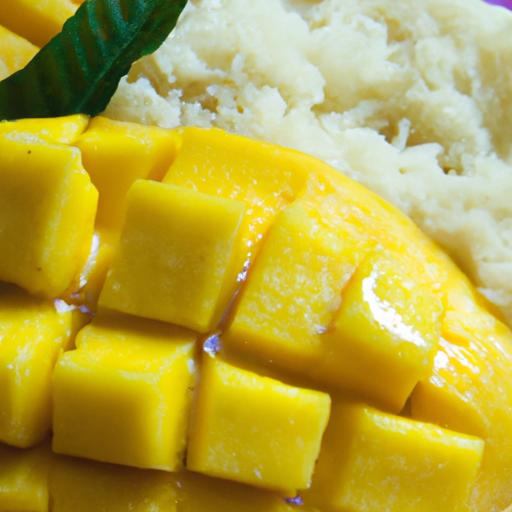

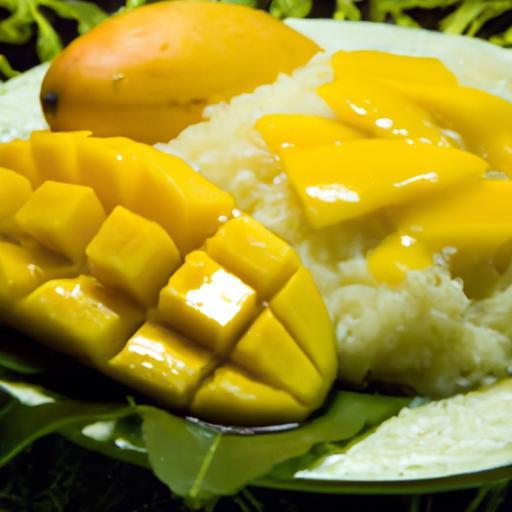
Beneath the swaying palms of ThailandS sun-drenched landscapes lies a beloved culinary treasure that captures the essence of tropical sweetness and cultural heritage: mango sticky rice. This simple yet enchanting dessert, with its luscious mango slices draped over a bed of tender, glutinous rice drenched in fragrant coconut milk, tells a story far richer than its ingredients suggest. In this article, we delve into the origins, preparation, and irresistible charm of mango sticky rice-uncovering why this vibrant dish has become a symbol of Thailand’s festive spirit and a must-try indulgence for travelers and food lovers alike.
The Origins and Cultural Importance of Mango Sticky Rice in Thai traditions
Mango Sticky Rice has long been a symbol of Thailand’s tropical bounty and culinary finesse.This beloved dessert reflects centuries of tradition,offered during festive occasions like Songkran (the Thai New Year) and Loy Krathong to celebrate abundance and gratitude. The dish’s roots trace back to rural communities where sticky rice, a staple carbohydrate, was paired lovingly with ripe mangoes-Thailand’s “king of fruits”-to create a harmonious balance of sweet, creamy, and slightly salty flavors. Beyond being a mere dessert, mango sticky rice embodies the Thai philosophy of balancing flavor profiles (sweet, salty, and a hint of bitterness) and showcases the cultural importance of seasonal ingredients and communal sharing.
Key Ingredients and Techniques That Create the Perfect Sticky Rice
Mango sticky rice’s magic lies in the meticulous preparation of its glutinous rice, which, unlike regular rice, has a uniquely chewy and sticky texture when cooked right. Thai culinary experts traditionally soak the rice overnight to ensure even steaming and tenderness.Steaming-not boiling-is essential; it preserves the grains’ integrity, producing the luscious, slightly chewy texture that melts in your mouth.
The accompanying coconut sauce consists of rich coconut milk, subtly sweetened with palm sugar and seasoned with a pinch of salt to heighten natural flavors. Mixing a little coconut milk into the finished sticky rice keeps it moist and fragrant.Additionally, the coconut drizzle poured over before serving adds a creamy, salty-sweet contrast, heightening the dessert’s complexity.
Pairing Mango Varieties for Ultimate Flavor Harmony
The choice of mango is critical-selecting a mango with the perfect balance of sweetness and acidity elevates the dish. Thailand’s preferred variety is the aromatic Nam Dok Mai, prized for its silky texture, floral aroma, and natural sweetness. other excellent options are Keo Savoy, which offers a slightly firmer bite, and Ataulfo mangoes from Mexico, known for their buttery richness.
When paired with mango sticky rice, the mango should be ripe but still firm enough to slice flawlessly. This ensures that every bite delivers a burst of juicy sweetness against the creamy, velvety stickiness of the rice, achieving the flawless flavor harmony this dessert is celebrated for worldwide.
Tips for Making Mango sticky rice at Home Like a Thai Chef
Mastering mango sticky rice at home is simpler than you might imagine with a few key tips: begin by soaking your sweet glutinous rice for at least 4-6 hours or overnight; this step is critical for soft grains after steaming. Use a bamboo steamer or a well-ventilated metal steamer to cook the rice gently, avoiding water contact during cooking to prevent mushiness.
Gently heat your coconut sauce on low-never boiling-to prevent curdling while fully dissolving palm sugar. Once the rice is steamed and still warm, fold in most of the coconut milk mixture for moistness, reserving some sauce for drizzling just before serving. Garnish with toasted mung beans or sesame seeds for texture contrast and visual appeal.
slice the mango with precision: thin, even slices make the dessert inviting and elegant. Plate your mango next to a neat mound of sticky rice, then drizzle the coconut sauce artistically. This thoughtful presentation invites your guests to savor the aromatic, tropical flavors of Thailand in every bite.
Prep and Cook Time
- Prep Time: 10 minutes (plus 4-6 hours soaking)
- Cook time: 20-25 minutes
Yield
- 4 servings
Difficulty Level
- Medium
Ingredients
- 1 cup glutinous (sticky) rice, rinsed and soaked for at least 4 hours
- 1 1/4 cups coconut milk (full fat)
- 1/4 cup palm sugar, finely chopped or granulated
- 1/4 teaspoon salt
- 2 ripe mangoes, preferably Nam Dok Mai or Ataulfo, peeled and sliced
- 2 tablespoons toasted mung beans or sesame seeds (optional garnish)
Instructions
- Drain and steam the soaked sticky rice: Place the soaked rice in a bamboo or metal steamer lined with cheesecloth. Steam over boiling water for 20-25 minutes, flipping the rice halfway to ensure even cooking. The grains should appear translucent and soft.
- Prepare the coconut sauce: In a small saucepan over low heat, combine coconut milk, palm sugar, and salt. Stir gently until the sugar dissolves completely, but do not boil. Remove from heat and set aside.
- Mix sticky rice with coconut sauce: Transfer the hot steamed rice to a bowl and slowly fold in 1 cup of the warm coconut sauce. Cover and let it absorb for about 15-20 minutes. The rice will become rich and creamy.
- Plate your dessert: Serve a mound of the coconut-infused sticky rice alongside slices of ripe mango. Drizzle with remaining coconut sauce.
- Garnish and serve: Sprinkle with toasted mung beans or sesame seeds for a toasty crunch and vibrant contrast.Enjoy immediately for best texture and flavor.
Chef’s Notes
- Rice soak time: Don’t skip soaking. The longer the soak, the softer and fluffier the rice.
- Sweetener alternatives: Use brown sugar or coconut sugar if palm sugar is unavailable, but adjust sweetness to taste.
- make-ahead tip: Cook and mix the sticky rice a few hours before serving. Store covered at room temperature; gently steam or microwave to warm before plating.
- Texture fix: If rice feels dry, add a splash more warm coconut milk and fluff gently.
- mango ripeness: Slightly underripe mangoes can feel firmer and less sweet; fully ripe fruits give the signature luscious balance.
Serving Suggestions
Present mango sticky rice on a clean white plate to showcase colors vibrantly. Garnish with fresh mint leaves or edible flowers for visual elegance. Serve alongside a cup of fragrant Thai iced tea or lemongrass-infused green tea for a perfect pairing. For seasonal twists, try adding a few fresh berries or a sprinkle of toasted coconut flakes.
| Nutrient | Per Serving |
|---|---|
| Calories | 350 kcal |
| Protein | 3 g |
| Carbohydrates | 65 g |
| Fat | 7 g |

Explore more about traditional Thai ingredients in our Thai Ingredients Guide and learn about global tropical fruits on FAO’s official website.
Q&A
Q&A: Mango Sticky Rice – Thailand’s Sweet Tropical Delight Explored
Q1: What is Mango Sticky Rice and why is it so beloved in Thailand?
A1: Mango Sticky Rice, or Khao Niew Mamuang, is a traditional Thai dessert that pairs luscious ripe mangoes with creamy coconut-infused sticky rice.It’s beloved for its harmonious blend of sweet, salty, and tropical flavors that dance on the palate, evoking the lush landscapes and vibrant spirit of Thailand.This delightful dish is a festivity of the country’s sticky rice heritage and the seasonal abundance of mangoes.
Q2: How is the sticky rice prepared for this dessert?
A2: The secret to perfect sticky rice lies in the soaking and steaming. Glutinous rice is soaked for several hours to soften,then steamed until tender yet chewy. While still warm, it’s mixed lovingly with warm coconut milk sweetened with palm sugar and a pinch of salt. This creates a rich, velvety rice that’s both fragrant and satisfying-a tropical comfort food at its finest.
Q3: What kind of mango is traditionally used in Mango Sticky Rice?
A3: The ideal mango is firm yet juicy with a sweet, floral aroma-most commonly the golden Nam Dok Mai variety. This mango shines with bright yellow skin and luscious flesh that balances sweetness with a subtle tang, making it the perfect partner for the creamy sticky rice.
Q4: Is Mango Sticky Rice served hot or cold?
A4: Traditionally, Mango Sticky Rice is served at room temperature or slightly warm. the rice is warm from the coconut milk infusion, offering a comforting contrast to the cool, refreshing mango slices.This temperature interplay enhances the dessert’s texture and flavor, inviting you to savor every bite.
Q5: Are there any interesting toppings or variations to this classic dessert?
A5: Absolutely! While the classic version is pure beauty in simplicity, variations often include a drizzle of thick coconut cream on top, sprinkled toasted sesame seeds, or mung beans that are crunchy and golden. These add layers of texture and depth without overshadowing the main ingredients’ natural sweetness.
Q6: Can Mango Sticky Rice be enjoyed year-round, or is it a seasonal treat?
A6: Mango Sticky Rice is famously a seasonal indulgence, traditionally enjoyed during the mango harvest months from April to June when mangoes are at their juiciest and most fragrant. Though, thanks to global farming and modern markets, it’s increasingly available year-round, letting mango lovers savor this tropical delight anytime.
Q7: What cultural significance does Mango Sticky Rice hold in Thailand?
A7: Beyond its deliciousness, Mango Sticky Rice is a symbol of Thai hospitality and the art of balance-not just in flavor but in community sharing. it’s often enjoyed during festivals, family gatherings, and as a humble street food treat, embodying the warmth and generosity of Thai culture through its inviting sweetness.
Q8: Can this dish be adapted for dietary preferences or restrictions?
A8: Yes! Mango Sticky Rice is naturally gluten-free and vegan as it relies on plant-based ingredients like coconut milk and fruits. For those mindful of sugar, the sweetness can be adjusted by reducing palm sugar or opting for natural sweeteners, while preserving the dessert’s soul.
Q9: What makes the coconut milk used in Mango Sticky Rice so special?
A9: The coconut milk adds a rich, slightly nutty creaminess that infuses the sticky rice with tropical sunshine. The quality and freshness of the coconut milk transform the rice from plain starch to an indulgent,aromatic base that complements the mango’s fresh juiciness perfectly,creating a luscious balance of flavor and texture.
Q10: How can someone outside Thailand best experience the authentic taste of Mango Sticky Rice?
A10: To capture the authentic essence, seek out fresh, fragrant Asian mangoes and glutinous sticky rice, and use real coconut milk and palm sugar if possible. Prepare the rice with care, and serve with sliced mangoes accompanied by a drizzle of coconut cream. Many Thai restaurants around the world offer delicious versions, but homemade efforts bring you closer to Thailand’s tropical heart-one sweet, sticky spoonful at a time.
In Conclusion
As the final grains of sticky rice melt into the lingering sweetness of ripe mango, we are reminded why this humble dish holds a cherished place in Thailand’s culinary tapestry. Mango sticky rice is more than just a dessert-it’s a celebration of tropical abundance, cultural tradition, and the simple joys of sharing flavors that transcend borders. Whether savored on bustling bangkok streets or recreated in kitchens far from its origin, this sweet tropical delight invites us all to experience a taste of Thailand’s vibrant spirit, one luscious bite at a time.