
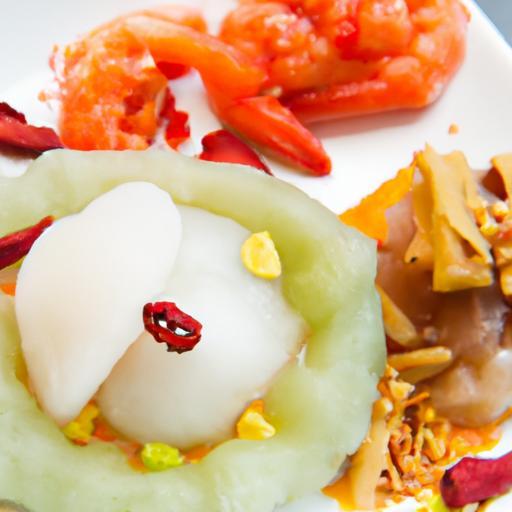
In the world of culinary craftsmanship,few creations embody both finesse and tradition as elegantly as rice paper dumplings. These delicate delights, with their translucent wrappers and artfully folded forms, are more than just food-they are edible works of art that tell stories of culture, patience, and skill. From bustling street markets to refined dining tables, rice paper dumplings invite us to explore a harmonious blend of textures and flavors wrapped in a veil of tender simplicity. Join us as we peel back the layers of this culinary treasure, uncovering the art, history, and nuances that make rice paper dumplings a beloved delicacy across generations and geographies.
Origins and Cultural Significance of Rice Paper Dumplings
Delicate delights like rice paper dumplings have long enchanted food lovers across Southeast Asia and beyond. Rooted deeply in vietnamese and Southern Chinese culinary traditions, rice paper dumplings blend culture and craftsmanship in every bite. These translucent parcels symbolize hospitality and festivity, frequently enough shared during family gatherings and special festivals to honor heritage and community. The thin rice paper wrapper, originally a vessel for fresh spring rolls, was innovatively adapted into dumplings-showcasing how simplicity meets sophistication in Asian fusion cuisine.
By mastering the art of these delicate dumplings, you participate in a centuries-old craft that highlights subtle textures and harmonious flavors. Their lightness and versatility set them apart, making rice paper dumplings a refined alternative to traditional dough-wrapped dim sum, while still carrying the warmth of home-cooked comfort.
Prep and Cook Time
- Preparation: 25 minutes
- Cooking: 15 minutes
- Total: 40 minutes
Yield
Approximately 20 rice paper dumplings (serves 4)
Difficulty Level
Medium – requires precision in handling delicate rice paper and folding techniques.
Ingredients
- 20 sheets rice paper (round, 8-inch diameter)
- 1 cup finely shredded cooked chicken breast (or substitute with cooked shrimp or tofu)
- ½ cup grated carrot
- ½ cup finely chopped shiitake mushrooms
- ¼ cup diced water chestnuts (for crunch)
- 2 green onions, thinly sliced
- 2 cloves garlic, minced
- 1 tablespoon soy sauce
- 1 teaspoon toasted sesame oil
- ½ teaspoon freshly ground black pepper
- 1 teaspoon grated ginger
- Cooking oil, for sautéing
- Water, for softening rice paper
Instructions
- Prepare the filling: Heat 1 tablespoon of cooking oil in a skillet over medium heat. Add minced garlic and grated ginger, sautéing until fragrant, about 1 minute.
Add chopped shiitake mushrooms and cook for 4 minutes until soft.
Stir in grated carrot, diced water chestnuts, and shredded chicken. Season with soy sauce, sesame oil, and black pepper.
Cook while stirring for 3-5 minutes until all ingredients are hot and well combined. Remove from heat and fold in sliced green onions.Let the filling cool slightly. - Prepare rice paper wrappers: Fill a wide shallow bowl with warm water. Dip one rice paper sheet into the water for 5-7 seconds until just pliable but not soggy.
Lay it flat on a clean,damp kitchen towel or cutting board. - Add filling: Place about 1 to 1½ tablespoons of filling near the bottom center of the rice paper sheet.
- Fold carefully: Fold the bottom edge of the rice paper over the filling, then fold in the sides gently to encase the filling.
Roll upwards tightly but delicately to form a neat cylinder or half-moon shape, depending on your preference. - Cook the dumplings: lightly oil a non-stick skillet and heat over medium-low heat.
Place dumplings seam-side down and cook for 2-3 minutes until the wrapper crisps slightly and turns slightly golden.
Flip and cook the other side for another 2 minutes.
Remove and drain on paper towels. - Repeat steps 2-5 for remaining dumplings, ensuring rice papers stay moist to prevent cracking.
Tips for Success
- Use warm water-not hot-to soften rice paper; too much heat makes it fragile and prone to tearing.
- Work quickly when wrapping to prevent wrappers from drying out.
- Adjust filling moisture by lightly squeezing grated vegetables to avoid soggy dumplings.
- For vegan variation, replace chicken with firm tofu crumbles marinated in soy sauce and ginger.
- Make ahead: Assemble dumplings and refrigerate uncovered for up to 2 hours; crisp just before serving.
serving Suggestions and Pairing Tips to Elevate Your Dumpling Experience
present your rice paper dumplings on a sleek platter lined with fresh lettuce or banana leaves for a vibrant contrast. Garnish with thinly sliced red chili, fresh cilantro sprigs, and toasted sesame seeds to add pops of color and texture. pair these delicate parcels with a dipping trio-classic hoisin sauce, tangy tamarind, and a spicy chili-garlic oil-to awaken every bite.
They also make an exquisite appetizer when served alongside a light cucumber salad tossed in rice vinegar and crushed peanuts, balancing crispness and acidity. For a complete meal experience, enjoy with fragrant jasmine rice and steamed bok choy dressed in garlic sauce.
| Nutrient | per Serving (5 dumplings) |
|---|---|
| Calories | 180 |
| Protein | 15g |
| Carbohydrates | 18g |
| Fat | 4g |

Discover more creative Asian-inspired appetizers in our thorough guide to spring rolls and dumplings. For authentic rice paper production history and techniques, visit Vietnam Guide.
Q&A
Q&A: Delicate Delights-Exploring the Art of Rice Paper Dumplings
Q1: What makes rice paper dumplings unique compared to other types of dumplings?
A: Rice paper dumplings stand out due to their thin, translucent wrappers made from rice flour and water, which impart a light, delicate texture. This subtle canvas allows the vibrant colors and fresh ingredients inside to peek through,creating a feast for both the eyes and the palate. Unlike thicker dough-based dumplings, rice paper dumplings boast a tender, slightly chewy bite that balances freshness with a satisfying chew.
Q2: How is rice paper dough traditionally prepared and handled?
A: Rice paper dough begins with a simple batter of rice flour and water, sometimes enhanced with a touch of tapioca starch for elasticity. This batter is spread thinly on a hot, lightly oiled surface, steamed briefly until it forms a pliable, translucent sheet, then carefully removed and cooled. Handling the delicate sheets requires patience and gentle fingers, as they tear easily but reward with their ethereal texture when wrapped just right.
Q3: What kinds of fillings work best inside rice paper dumplings?
A: The best fillings are frequently enough fresh, vibrant, and texturally diverse. Think blanched greens like bok choy or spinach, crunchy water chestnuts, fragrant herbs such as cilantro or Thai basil, and protein-rich elements like marinated tofu, shiitake mushrooms, or tender chicken breast. The key is balancing flavors-savory, slightly sweet, and aromatic-while keeping the filling moist enough to meld beautifully with the rice paper wrapper.
Q4: Are rice paper dumplings typically steamed, boiled, or cooked differently?
A: Traditionally, rice paper dumplings are steamed to preserve their delicate nature and achieve a tender, slightly chewy consistency. Steaming also helps the wrapper remain translucent, showcasing the colorful ingredients within. Though, some variations might involve lightly pan-frying for a crispy exterior or lightly boiling for a more tender, soft result.Each method offers a unique textural experience.
Q5: What cultural significance do rice paper dumplings hold?
A: Rice paper dumplings frequently enough embody traditions of lightness and elegance in East Asian cuisines, symbolizing purity and freshness. They are frequently enjoyed during festivals or family gatherings, celebrating skillful craftsmanship and communal dining. Their delicate form represents artistry in cooking, where subtlety and refinement come to the forefront.
Q6: Can rice paper dumplings be made ahead of time? how should they be stored?
A: Yes! To preserve their fragile beauty, assemble dumplings just before cooking when possible. if preparing in advance, store wrapped dumplings separated by parchment paper in an airtight container in the refrigerator for up to a day. When ready to enjoy, steam them gently until heated through. Avoid freezing, as the wrapper may become less supple, impacting texture upon reheating.
Q7: What dipping sauces complement rice paper dumplings?
A: Light, radiant dipping sauces enhance the dumpling experience. Popular choices include a tangy soy-ginger sauce, a zesty citrus-lime vinaigrette, or a mild chili-sesame dip. These sauces highlight the subtle flavors inside the dumpling without overwhelming them, inviting each bite to be a nuanced dance of tastes.
Q8: How can beginners approach making rice paper dumplings at home?
A: For novices, start by mastering the rice paper sheets using store-bought rice wrappers or basic batter recipes, focusing on gentle handling. Prepare a simple filling with finely chopped vegetables and cooked chicken or mushrooms. Practice folding techniques-such as the half-moon or purse shape-to develop confidence. Remember, fragile wrappers reward patience; with care, home cooks can create stunning, delicate delights that impress both visually and gastronomically.
With these insights, the delicate art of rice paper dumplings becomes accessible, inviting cooks and food lovers alike to explore a culinary tradition that marries simplicity with elegance.
In Conclusion
as we fold the final pleat and savor the intricate beauty of rice paper dumplings, it becomes clear that these delicate delights are more than just a dish-they are edible works of art. Through their translucent wrappers and tender fillings, they tell stories of tradition, patience, and culinary innovation. Whether you’re a seasoned chef or an adventurous food lover, exploring the art of rice paper dumplings invites you to appreciate the subtle interplay of texture and flavor, and also the cultural heritage they carry.So next time you unwrap one of these fragile parcels, take a moment to celebrate the craftsmanship behind every bite and the timeless joy found in simple, elegant cooking.