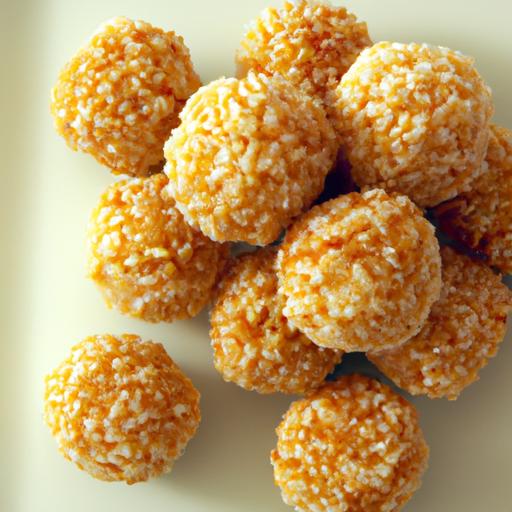

In the heart of Catalonia, where sun-drenched vineyards meet rugged Mediterranean coastlines, a sweet tradition takes centre stage every autumn: the making of panellets. These tiny, almond-based confections, lovingly coated with pine nuts and crowned with vibrant glazes, are much more than a simple treat-they are a delicious link to centuries-old celebrations honoring All Saints’ day. In this article, we’ll explore the rich history behind these classic Catalan sweets and guide you through the art of crafting panellets at home, ensuring you bring a taste of this cherished cultural ritual to your own kitchen. Whether you’re a seasoned baker or a curious foodie, prepare to embark on a flavorful journey where tradition and creativity blend into bite-sized perfection.
Sweet Tradition: how to Make Classic Catalan Panellets
Sweet Tradition: How to Make Classic Catalan Panellets is a journey into the heart of Catalonia’s cherished autumnal festivity. these small, almond-based confections carry centuries of flavor and culture, embodying the festive spirit of the Castanyada holiday. As one delicately bites into their soft yet slightly crisp texture, the subtle sweetness and nutty aroma evoke family gatherings, candlelit tables, and the warm embrace of heritage.
The Rich History and Cultural Meaning of Panellets
Panellets are far more than a delightful treat; they’re a culinary emblem woven deeply into Catalan identity. Originating from medieval times,these small pastries were originally prepared as offerings to saints and departed souls during All Saints’ Day. Traditionally, marzipan-like dough crafted from almonds and sugar formed the base, symbolizing prosperity and remembrance. Over generations, families have passed down cherished recipes, each adding their own regional twists, yet preserving the core essence of the dish. Preparing panellets today remains an intimate act of honoring Catalan roots and bringing loved ones together around the festive table.
Selecting the Finest Ingredients for Authentic Flavor
Authenticity shines brightest when every ingredient is thoughtfully chosen. The secret to that classic panellets flavor begins with fresh, blanched almonds, ideally ground to a fine meal. Natural sweetness from quality granulated sugar balances the nutty depth without overpowering.For binding, egg whites are carefully incorporated to create a dough that’s moist but pliable, preserving the iconic chew. Adding a hint of fresh lemon zest or orange zest imparts a subtle citrus brightness, bringing the flavors to life.
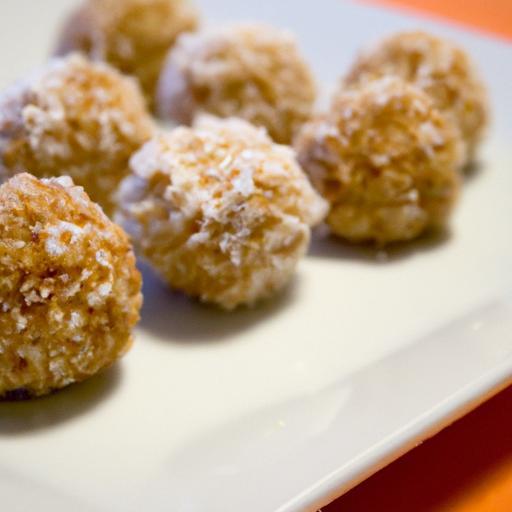
Additional toppings-like pine nuts, pistachios, or shredded coconut-play an essential role in not only texture but also visual appeal, celebrating the artisanal craftsmanship behind every batch. Choose organically sourced nuts where possible and purchase fresh eggs to ensure the best color and taste in your panellets.
Prep and Cook Time
- planning: 40 minutes
- Resting time: 1 hour (for best texture)
- Baking time: 12-15 minutes
- Total: Approx. 2 hours
Yield
Approximately 30-35 small panellets, perfect for sharing at holiday gatherings or gifting in charming boxes.
Difficulty Level
Medium – Requires gentle handling of dough and attention during baking for the perfect golden finish.
Ingredients
- 250 g blanched almonds, finely ground
- 200 g granulated sugar
- 2 large egg whites, lightly beaten
- 1 teaspoon fresh lemon zest
- Pinch of salt
- 100 g pine nuts (for topping)
- 1 whole egg, beaten (for egg wash)
Step-by-Step Guide to Crafting Perfectly Textured Panellets
- Combine dry ingredients: In a large bowl, mix the finely ground almonds, sugar, lemon zest, and a pinch of salt until well incorporated.
- Add egg whites gently: Pour in the lightly beaten egg whites incrementally, folding the mixture carefully until a sticky, dough-like consistency forms. Avoid overmixing to keep the dough tender.
- Chill and rest: Wrap the dough in plastic wrap and refrigerate for 1 hour. This resting period allows flavors to meld and dough to firm up for easier shaping.
- Preheat oven: Set your oven to 180°C (350°F) and line a baking sheet with parchment paper.
- Shape the panellets: Pinch off small walnut-sized portions of dough and roll into smooth balls. Lightly flatten each for shaping versatility.
- Apply egg wash and toppings: Using a pastry brush, coat each ball with beaten egg for a golden finish. Roll or press pine nuts onto the surface, gently pressing to adhere.
- Bake with care: Place the tray in the oven and bake for 12-15 minutes or until the panellets develop a delicate golden hue. Keep a close eye to prevent over-browning.
- Cool entirely: Remove from oven and transfer to a wire rack, allowing panellets to cool before serving. This step ensures the perfect texture-soft inside,lightly crisp outside.
Expert Tips for Baking and Storing Your Catalan Treats
- Grinding almonds: For the finest crumb, pulse almonds in a food processor but avoid turning them into almond butter.A sandy texture creates the ideal crumbly dough.
- Dough consistency: The dough should be tacky but manageable; if too wet, dust with almond meal, if too dry, add a bit more egg white.
- Egg wash finesse: For a shiny, golden crust, don’t skip the egg wash. Use only the egg yolk or whole egg, depending on your preferred color depth.
- Variations: Substitute pine nuts with crushed pistachios or shredded coconut for creative twists while honoring tradition.
- Storage: keep panellets in an airtight container at room temperature for up to 1 week. They also freeze well; thaw gently before serving.
- Make-ahead: Prepare the dough a day before and refrigerate, enhancing flavors and easing festive-day bustle.
Serving Suggestions
Serve these golden delights on rustic ceramic plates paired with a warm cup of Catalan-style coffee. Garnish panellets with a fresh sprig of mint or edible flowers for an elegant, seasonal touch. Offering them alongside other Catalan sweets creates a harmonious dessert spread perfect for celebrations or intimate family moments.

| Nutrient | Per Serving (1 panellet) |
|---|---|
| Calories | 85 kcal |
| Protein | 2 g |
| Carbohydrates | 7 g |
| fat | 5 g |
Q&A
Q&A: Sweet Tradition - How to Make Classic Catalan Panellets
Q1: What exactly are panellets,and why are they so special in Catalan culture?
A1: Panellets are tiny,almond-based sweets traditionally enjoyed during All Saints’ day in Catalonia. These bite-sized treats, frequently enough coated in pine nuts or coconut, are more than just confections-they carry centuries of history, symbolizing community, family gatherings, and the sweet arrival of autumn. Making panellets is both a ritual and a celebration, preserving a delicious thread in Catalonia’s rich culinary tapestry.
Q2: What are the key ingredients needed to make classic panellets?
A2: The foundation of panellets is simple yet magical: marzipan made from finely ground almonds, sugar, and fresh egg whites, which gives the dough its signature texture. The most traditional topping? Toasted pine nuts, which add a delightful crunch. Some recipes also include lemon zest or a hint of vanilla to enliven the flavor without overpowering the almond’s natural sweetness.
Q3: Is making panellets a complicated process?
A3: Not at all! While panellets look elegant, creating them is surprisingly approachable, even for beginner bakers. The dough is easy to prepare, and shaping the little rounds-or sometimes teardrops or other charming shapes-is a fun, hands-on experience. The key is patience and a gentle touch when rolling pine nuts onto the dough. The baking itself is brief, just enough to toast the nuts and set the dough.
Q4: Can I customize my panellets without losing their classic charm?
A4: Absolutely! While pine nuts are the traditional topping,panellets welcome creativity. Coconut flakes, chopped almonds, or even a dusting of cocoa powder can lend engaging textures and flavors. Just remember to keep the almond dough as the star ingredient-it’s what ties the whole tradition together. Variations are like little nods to regional tastes or family preferences, making every batch unique yet rooted in Catalan heritage.
Q5: When is the best time to make and enjoy panellets?
A5: Panellets truly shine during the autumn months, especially around All Saints’ Day (November 1st), when families come together to honor ancestors and savor seasonal delights. That said, their sweet almond essence makes them irresistible year-round. Baking panellets can be a delightful seasonal project, filling your kitchen with warm aromas and inviting moments of togetherness.
Q6: How should panellets be stored to maintain their freshness?
A6: After baking, allow the panellets to cool completely before storing them in an airtight container. Kept in a cool, dry place, they stay fresh for up to a week. For longer storage, you can refrigerate them, but let them come to room temperature before enjoying-they’re at their best when tender with a touch of chewiness.
Q7: Are there any cultural tips or traditions linked to serving panellets?
A7: Indeed! Panellets are often served alongside sweet chestnuts and preserved fruits during festive gatherings. Sharing panellets is an expression of hospitality and warmth. In Catalan homes, they’re commonly enjoyed with family, accompanied by laughter, stories, and sometimes a sprinkle of local honey. The true joy lies not only in their taste but in the shared experience of preserving a centuries-old tradition.
Discovering how to make classic Catalan panellets means embracing a sweet tradition that’s as rich in history as it is in flavor-a perfect way to celebrate the tastes and stories of autumn.
In Retrospect
As the aromatic scent of toasted pine nuts fills your kitchen and the vibrant colors of sugar-coated almonds and candied fruits come to life on your platter, you’re not just baking – you’re weaving yourself into a centuries-old Catalan tradition. Panellets are more than sweet treats; they are edible stories passed down through generations, carrying the warmth of family gatherings and the spirit of All Saints’ Day celebrations. By mastering these classic recipes, you don’t just savor a delightful bite-you celebrate a cultural heritage rich in flavor and meaning. So, next time autumn leaves start to fall, let your hands shape the past and your taste buds travel to Catalonia with every lovingly crafted panellet. Happy baking-and bon profit!