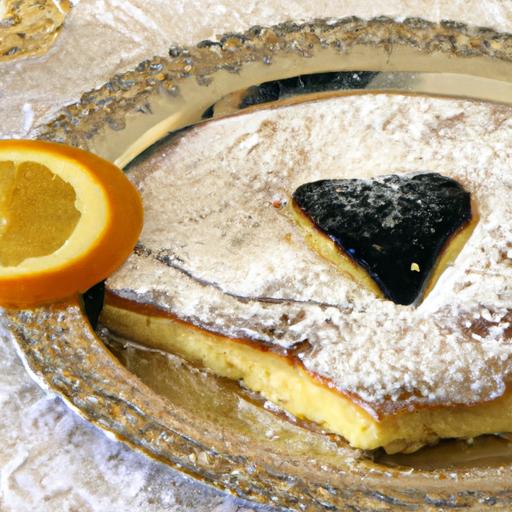

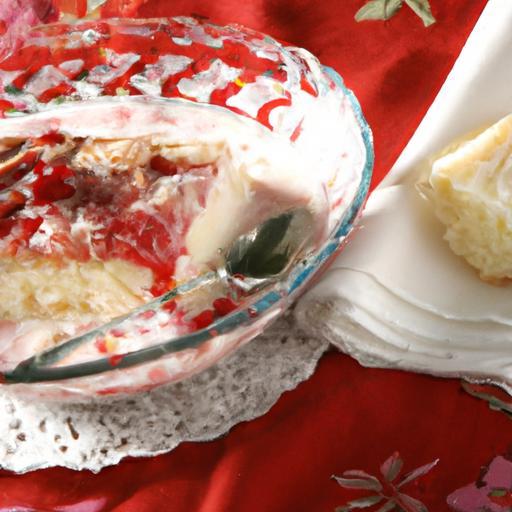
Nestled along the sparkling Adriatic coast, Croatia is renowned not only for its breathtaking landscapes and ancient cities but also for its rich culinary heritage. Among its many delightful treats,one dessert stands out – Rožata,a luscious custard pudding that whispers tales of Mediterranean sunshine and centuries-old tradition. This sweet secret, often flavored with fragrant rose liqueur, offers a perfect harmony of creamy texture and delicate floral notes. in this article, we’ll uncover the origins, cultural significance, and step-by-step recipe of Croatian Rožata, inviting you to bring a little slice of Dalmatian sweetness into yoru own kitchen.
origins and Cultural Significance of Croatian Rožata
Discover the Sweet Secrets of Croatian Rožata Dessert Recipe begins by delving into a dessert that has tantalized taste buds for centuries. Rožata, a silky custard from the Dalmatian coast, is much more than just a sweet treat-it’s a culinary emblem of Croatian heritage. With roots tracing back to the influence of Mediterranean cultures, especially the Venetian occupation of Dalmatia, this dessert carries a legacy of tradition and local pride.
The name “Rožata” itself comes from the croatian word for rose, highlighting the signature addition of rose liqueur-or in its authentic local variations, the subtle aroma of rose petals infused in the caramel glaze. Unlike many desserts, Rožata is often reserved for festive occasions, family gatherings, and celebrations, symbolizing warmth, hospitality, and shared joy across generations.
Its smooth, caramelized surface and delicate custard base personify the Croatian coastal lifestyle, where simple, high-quality ingredients meld to create unforgettable flavors. By perfecting this dessert at home, you’re inviting a piece of Croatian history and culture onto your table.
Key Ingredients That Make Rožata Unforgettable
- 4 large free-range eggs – the foundation for silky custard texture
- 1 cup granulated sugar – for luscious sweetness and caramel
- 4 cups whole milk – rich and creamy, essential for smoothness
- 1 lemon peel (avoiding white pith) – adds luminous citrus undertones
- 1 tablespoon rosewater or rose syrup – signature floral note
- 1 teaspoon pure vanilla extract – deepens flavor complexity
- Extra sugar for caramel – creates the traditional golden crust
Each ingredient is carefully chosen to provide balance: the eggs seal in creaminess and body, while rosewater gently elevates the custard from ordinary to remarkable. Whole milk’s richness ensures that the dessert melts luxuriously on the tongue, a hallmark of authentic Rožata.
Step by Step Guide to Perfecting Your Rožata at Home
- Prepare the caramel: In a medium skillet over medium heat, evenly spread 1 cup of sugar. Allow it to melt undisturbed until it turns a deep amber, swirling gently to promote even caramelization.Instantly pour into individual ramekins or a single flan mold, tipping them to coat the bottoms evenly.Set aside to harden.
- Infuse the milk: In a saucepan, combine the whole milk and lemon peel. Warm over low heat just until steam rises-do not boil. Remove from heat and let steep for 15 minutes to extract fragrant citrus notes.
- Mix eggs and sugar: In a large bowl, whisk the eggs with sugar until combined but not frothy, preserving a smooth custard texture.
- Strain and combine: Remove lemon peel from the milk. Slowly temper the warm milk by pouring it into the egg mixture while whisking continuously. Add rosewater and vanilla extract for that distinctive flair.
- Bake with care: Pour the custard into caramel-coated ramekins. Place ramekins in a deep baking tray, adding hot water halfway up their sides to create a bain-marie. Bake at 325°F (160°C) for 45-55 minutes until the custard just sets-slight wobbling in the center is ideal.
- Chill thoroughly: Remove ramekins from water bath and cool to room temperature before refrigerating for at least 4 hours or overnight. This rest time intensifies flavors and texture.
- serve elegantly: To unmold,gently run a thin knife around the edges,invert onto serving plates,and let the caramel sauce cascade over the creamy custard.
Tips and Tricks for Serving Rožata Like a Local
Presentation is key to inviting your guests into Croatian tradition. Serve Rožata chilled and garnished with a few delicate rose petals or a thin twist of lemon peel to echo the dessert’s essence. For an elevated local touch, a dollop of lightly whipped cream or a scattering of crushed pistachios adds textural contrast and subtle nuttiness.
In authentic Dalmatian homes, Rožata is frequently enough enjoyed alongside a cup of strong, black coffee or a glass of cold herbal tea, balancing sweetness with a bitter edge. For family-style serving, present the custards in rustic terracotta ramekins that celebrate the earthy Mediterranean vibe.
When entertaining, keep Rožata refrigerated until moments before serving, as its flavor and texture are at their peak when cold. To further bring out the rose and vanilla aromas, give it a light warm-up (10 seconds in the microwave) just before plating, but not enough to lose firmness.
Pairing Rožata with fresh local fruit like figs or ripe berries not only complements the dessert’s floral sweetness but creates a visually striking plate-perfect for sharing stories of Croatian heritage with your friends and family.
Prep and Cook Time
- Prep Time: 20 minutes
- Cook Time: 50 minutes
- Chilling Time: 4 hours (preferably overnight)
Yield
- 6 servings
Difficulty Level
- Medium
Ingredients
- 4 large free-range eggs
- 1 cup granulated sugar
- 4 cups whole milk
- 1 lemon peel (avoid white pith)
- 1 tablespoon rosewater or rose syrup
- 1 teaspoon pure vanilla extract
- Extra granulated sugar (for caramel coating)
Instructions
- Make caramel: Cook sugar over medium heat until golden amber. Pour into ramekins, coat evenly. Cool until set.
- Warm milk with lemon peel: Heat gently, remove from heat, steep 15 minutes.
- Whisk eggs and sugar: Combine until smooth.
- Temper eggs with milk: Gradually whisk warm milk into eggs. Add rosewater and vanilla.
- Bake in a water bath: Pour mixture into ramekins. Bake at 325°F (160°C) for 45-55 minutes.
- Cool and chill: Let cool to room temperature, than refrigerate at least 4 hours.
- Serve: unmold onto plates, garnish as desired.
Chef’s Notes
- for a rose-flavored variation without rosewater, infuse the milk with dried rose petals, then strain before mixing with eggs.
- If you prefer a richer dessert, substitute half the milk with full-fat cream, but do so sparingly to maintain traditional texture.
- Ensure the caramel does not burn; amber color is perfect. Too dark, it becomes bitter.
- Use a fine mesh strainer to remove any egg solids for an ultra-smooth custard.
- Make-ahead: Rožata keeps well up to 3 days refrigerated; flavors mature beautifully over time.
Serving Suggestions
Turn this croatian treasure into a show-stopping finale by serving chilled with a light dusting of powdered sugar and a fresh sprig of mint. Provide a small bowl of berry compote or candied lemon slices for guests to customize each bite. Accompany with espresso or herbal tea for an authentic Mediterranean café experience.
| Nutrient | Per Serving |
|---|---|
| Calories | 210 kcal |
| Protein | 7 g |
| Carbohydrates | 30 g |
| Fat | 6 g |
Explore more Croatian dessert recipes
For an in-depth history of Dalmatian culinary heritage, visit Britannica’s Croatian Cuisine.

Q&A
Q&A: Discover the Sweet Secrets of croatian Rožata Dessert Recipe
Q1: What is Rožata, and why is it so special in Croatian cuisine?
A: Rožata is a traditional Croatian custard dessert that hails from the Dalmatian coast, notably Dubrovnik. It’s cherished for its silky, creamy texture and its delicate caramel topping. What makes Rožata special is its simplicity combined with the aromatic hint of rose liqueur, which gives it a subtle floral elegance unlike any other custard dessert.
Q2: How does Rožata differ from other custards or flans?
A: While it shares a similar base of eggs, milk, and sugar with many custards, Rožata stands out due to the addition of rose water or rose liqueur. This ingredient infuses the dessert with a distinct fragrance and flavor reminiscent of blooming gardens. The caramelized sugar layer on top also adds a delightful contrast, balancing sweetness with a slight bitterness.
Q3: What are the essential ingredients to prepare an authentic Rožata?
A: To create an authentic Rožata, you’ll need fresh eggs, whole milk, sugar, and rose water or a locally-made rose-flavored spirit. Caramelized sugar forms the glossy top crust. the beauty of Rožata lies in its minimalism-each ingredient plays a vital role in the final taste and texture.
Q4: Can Rožata be made without rose water if it’s unavailable?
A: Yes! While traditional Rožata calls for rose water or rose liqueur, you can experiment with other floral essences like orange blossom water or vanilla extract to create a different but equally delightful twist. Though, bear in mind that the iconic taste of Rožata comes from its floral rose notes.
Q5: What’s the secret to achieving Rožata’s perfect texture?
A: The key to Rožata’s luscious texture is gentle cooking-either baking it slowly in a bain-marie (water bath) or steaming softly. This slow, even heat prevents the custard from curdling and allows it to set just right-silky and firm with a little wobble when jiggled.
Q6: How is the caramel layer made, and why is it important?
A: The caramel is made by melting sugar until it turns a rich amber color, then pouring it into the mold before adding the custard mixture. As the dessert cools and is inverted, this caramel becomes a shiny, slightly bitter glaze on top. This layer complements the sweet, floral custard and adds a dramatic flair when Rožata is served.
Q7: How is Rožata traditionally served and enjoyed?
A: Traditionally, Rožata is chilled until set, then carefully unmolded onto a plate, showcasing the gorgeous caramel top. It’s often enjoyed as a refreshing finale to a Mediterranean meal, pairing wonderfully with fresh fruit or a sprinkle of crushed nuts for texture.
Q8: Are ther any popular variations of Rožata across Croatia?
A: While the Dalmatian version with rose water is the most iconic,variations do exist. Some recipes incorporate lemon zest or vanilla for a subtle twist. Despite regional nuances, the core elements of creamy custard and caramel remain constant, preserving Rožata’s beloved character.
Q9: What cultural significance does Rožata hold in Croatia?
A: Rožata is more than just a dessert-it’s a culinary symbol of Croatian heritage and hospitality. Often served during festive occasions and family gatherings, it reflects the warmth and sweetness of Croatian coastal life, carrying a taste of tradition that’s passed down through generations.
Q10: Can home cooks easily try making Rožata themselves?
A: Absolutely! Rožata is surprisingly simple to make at home with a few basic ingredients and patience during cooking. Its forgiving nature makes it an excellent project for anyone eager to explore Croatian flavors and impress guests with an elegant yet modestly styled dessert.
Concluding Remarks
As you’ve uncovered the luscious layers behind Croatia’s beloved Rožata, it’s clear this dessert is more than just a sweet treat-it’s a shimmering piece of Dalmatian heritage captured in every silky bite. Whether you’re whisking the custard at home or savoring it seaside, Rožata invites you to experience a harmonious blend of simple ingredients transformed by tradition and a touch of rose water’s fragrant magic. So next time you crave a taste of the Adriatic sun, let Rožata be your appetizing passport to the sweet secrets of Croatia’s culinary soul.