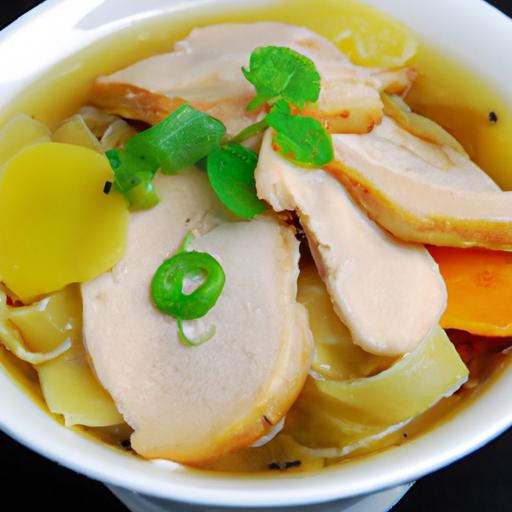

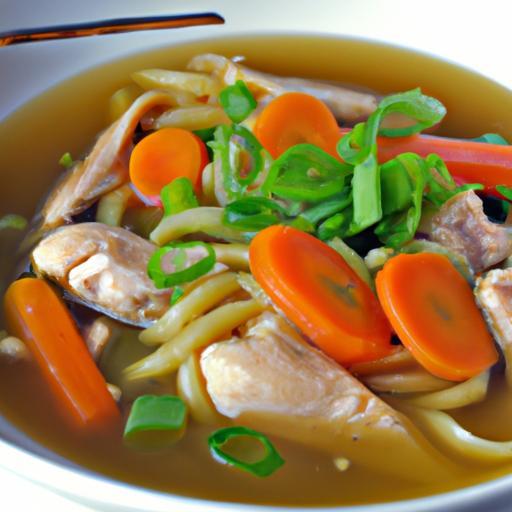
There’s something undeniably comforting about a warm bowl of chicken noodle soup-a timeless elixir that has graced kitchens adn hearts across generations. More than just a simple dish, it carries stories of family gatherings, healing rituals, and home-cooked love simmered to perfection.In this article, we’ll unravel the rich tradition behind chicken noodle soup, share expert tips to elevate your homemade broth, and explore creative twists that transform this classic comfort food into exciting new flavors. Whether you’re a seasoned cook or a curious foodie, join us on a savory journey that celebrates the humble chicken noodle soup in all its nourishing glory.
Chicken noodle soup holds a treasured place in kitchens around the world, embodying comfort, warmth, and healing in every spoonful. Rooted in centuries of tradition, this dish has evolved from humble medicinal broths to a beloved staple that transcends cultures. Whether served on a chilly evening or when nursing a cold, its fragrant broth, tender chicken, and silky noodles create a bowl of nostalgia and nourishment that’s truly unmatched.
Prep and Cook Time
- Preparation: 20 minutes
- Cooking: 1 hour 15 minutes
- Total Time: 1 hour 35 minutes
Yield
- 6 hearty servings
difficulty Level
- Easy to Medium – perfect for beginners but rewarding for seasoned cooks looking to refine their technique
Essential Ingredients
- 1 whole chicken (about 4 pounds), cleaned and patted dry
- 10 cups low-sodium chicken broth
- 2 large carrots, peeled and sliced into thin rounds
- 2 celery stalks, diced
- 1 medium yellow onion, finely chopped
- 3 cloves garlic, minced
- 1 teaspoon freshly ground black pepper
- 1 teaspoon kosher salt (adjust to taste)
- 2 teaspoons fresh thyme leaves, chopped
- 2 bay leaves
- 8 ounces egg noodles or your favorite noodle shape
- 2 tablespoons extra-virgin olive oil
- Fresh parsley, roughly chopped, for garnish
Expert Techniques for Perfect Flavor
- Brown with care: In a large stockpot, heat olive oil over medium heat. Add the chicken whole or in large pieces to brown gently. Turning the chicken until skin is golden ensures deep flavor infusion in your broth.
- Build the broth slowly: Add onions, carrots, and celery to the pot, sautéing until fragrant and slightly softened, about 5 minutes. This gentle sweating releases sweetness that balances the soup.
- Simmer, don’t boil: pour in chicken broth and add garlic, thyme, bay leaves, salt, and pepper. Bring to a simmer, then reduce heat and cook gently for about 1 hour, allowing flavors to meld without toughening the meat.
- Separate and shred: Remove the chicken once cooked through and let cool slightly. Remove skin and bones,then shred meat in bite-sized pieces.
- Final assembly: Bring the broth back to simmer; add noodles and shredded chicken. Cook just until noodles are tender, usually 6-8 minutes, to avoid mushy textures.
- Fresh herbs finish: stir in fresh parsley just before serving for a burst of brightness.
creative Twists to Elevate Your Classic Recipe
Add a dash of turmeric for a golden hue and subtle earthiness, or substitute classic egg noodles with gluten-free or spiralized vegetable noodles for variety.For added depth, toss in chopped fresh ginger alongside garlic during the sauté phase, creating a warming zing that pairs beautifully with the savory broth. Looking to boost texture contrast? Toasted pumpkin seeds or crushed pepper flakes sprinkled just before serving add a delightful surprise.
Serving Suggestions and Storage Tips
Serve your chicken noodle soup steaming hot in rustic bowls, garnished with freshly chopped parsley and a squeeze of lemon for a vibrant lift. Pair it with crusty artisan bread or a crisp green salad to turn this humble soup into a complete meal.Leftovers stored in airtight containers keep perfectly in the refrigerator for up to 4 days. To maintain noodle texture, consider storing noodles separately and adding them when reheating. For longer storage, freeze broth and shredded chicken sans noodles and add fresh noodles upon thawing.
Chef’s Notes & Tips for Success
- Homemade broth: Use the whole chicken with bones to make your broth richer and more complex.
- Adjust seasoning: Salt and pepper can be tweaked after cooking to balance flavors perfectly.
- Noodle alternatives: Rice noodles or small shells work beautifully if you wont to switch things up.
- Make ahead: Soup flavors deepen overnight making it an excellent make-ahead meal; just hold off adding noodles until reheating.
- Clarity matters: If a crystal-clear broth is desired, skim off foam and fat regularly during simmering.
| Nutrient | Per serving |
|---|---|
| Calories | 280 kcal |
| Protein | 26 g |
| Carbohydrates | 18 g |
| Fat | 8 g |

Discover more comforting classics and expert kitchen techniques in our Soups & Stews Collection.For an in-depth history of chicken-based broths, visit National Geographic.
Q&A
Q&A: Chicken Noodle Soup – Tradition, tips, and Tasty Transformations
Q1: What makes chicken noodle soup a timeless classic in kitchens around the world?
A1: Chicken noodle soup transcends generations with its warm embrace of comfort and nourishment. Rooted in simplicity-the cozy blend of tender chicken, hearty noodles, and savory broth-it has become a symbol of healing and home. Its versatility allows it to adapt across cultures while maintaining that soul-soothing essence.
Q2: What are the key traditional ingredients that define an authentic chicken noodle soup?
A2: At its heart, traditional chicken noodle soup calls for fresh chicken (usually bone-in for deeper flavor), a medley of vegetables like carrots, celery, and onions, egg noodles or similar pasta, aromatic herbs such as thyme and parsley, and a clear, fragrant broth. Each component works in harmony to create a balanced bowl of comfort.
Q3: How can the broth be enhanced for a richer, more flavorful base?
A3: Slow simmering the chicken with bones and skin unlocks collagen and depth in the broth, producing a silky mouthfeel and robust taste. Adding whole spices like peppercorns, a bay leaf, and a touch of garlic enhances complexity. For an extra layer, roast the chicken or vegetables beforehand to add subtle caramelized notes.
Q4: Are there any creative twists to elevate the standard chicken noodle soup without losing its comforting spirit?
A4: Absolutely! Swap egg noodles for rice noodles or soba to infuse an Asian flair. Introduce ginger and lemongrass to the broth for a soothing, aromatic upgrade. Stir in kale or spinach near the end for a burst of color and nutrition. Even a dab of coconut milk can add creamy richness, transforming the familiar into the remarkable.
Q5: What are some helpful tips for preparing chicken noodle soup that’s perfect every time?
A5: Use fresh, high-quality ingredients to start. don’t rush the broth-patience yields depth. Cook the noodles separately and add them just before serving to prevent sogginess. Skim fat and foam during simmering for clarity. And remember, seasoning is key: taste frequently and adjust salt, pepper, and herbs to suit your palate.
Q6: How can chicken noodle soup be adapted for dietary preferences like gluten-free or vegetarian?
A6: To keep it gluten-free,replace traditional noodles with rice,quinoa,or spiralized vegetables.for a vegetarian take, substitute chicken broth with a robust vegetable stock and add plant-based protein like tofu or chickpeas for heartiness, while keeping the fresh veggie trio intact. The essence of the soup-comfort and warmth-remains alive through thes thoughtful swaps.
Q7: What role do herbs and spices play in the overall flavor profile of chicken noodle soup?
A7: Herbs and spices are the invisible artists of chicken noodle soup, painting aroma and taste into every spoonful. Fresh parsley adds brightness, thyme provides earthiness, and bay leaves contribute subtle warmth. Pepper offers gentle heat, while a pinch of turmeric or smoked paprika can lend unexpected depth. They elevate the soup from merely satisfying to memorably delicious.
Q8: How can leftovers of chicken noodle soup be stored and reheated without losing quality?
A8: Store leftovers in airtight containers in the refrigerator for up to four days. To preserve the noodles’ texture, consider storing broth separately from the noodles, combining them only when reheating. Gentle reheating on the stove helps maintain flavor and consistency, keeping each bowl as comforting as the first.
Q9: What cultural variations of chicken noodle soup are worth exploring?
A9: From the soothing Chinese chicken noodle congee to the savory Hungarian chicken noodle lefse, manny cultures offer delightful riffs on chicken noodle soup. Exploring these variations provides a delicious journey through global flavors,revealing how this simple dish can be uniquely interpreted through different culinary lenses.
Q10: What is the emotional or symbolic significance of chicken noodle soup beyond just its taste?
A10: Chicken noodle soup often stands as a symbol of care and healing-a bowl served lovingly during times of illness, cold days, or emotional need. It embodies warmth, nurturing, and a sense of belonging, making it more than food; it’s a culinary hug that comforts body and soul alike.
In Retrospect
As the comforting steam rises from your bowl of chicken noodle soup, you’re not just savoring a meal-you’re partaking in centuries of tradition, warmth, and care. From classic family recipes passed down through generations to inventive twists that surprise the palate, this humble soup continues to evolve while staying true to its nourishing roots. Whether you favor the tried-and-true broth or crave adventurous add-ins, chicken noodle soup remains a timeless emblem of comfort and healing. So, next time you ladle out a serving, remember: every spoonful is a story, a memory, and a delicious invitation to make the familiar your own.