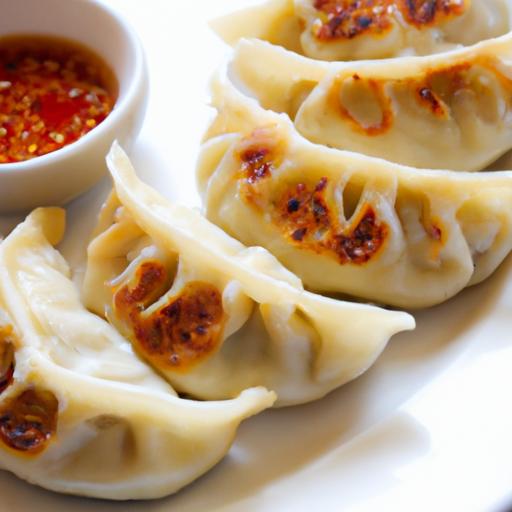

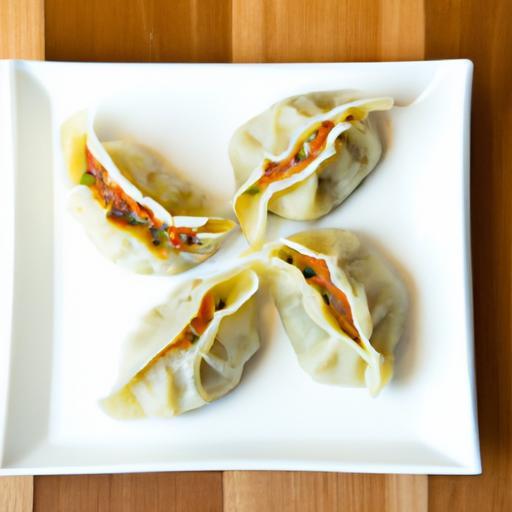
In the world of dumplings, gyoza hold a special place-those delicate parcels of savory filling wrapped in tender, thin dough that crisp up beautifully with a pan-fry. But for those avoiding gluten,the quest for the perfect gyoza wrapper can feel like navigating a culinary labyrinth. Enter gluten-free gyoza wrappers: a game-changer that opens the door to crafting flawless dumplings without sacrificing texture or taste.
Whether you’re a seasoned dumpling enthusiast or a curious home cook, mastering gluten-free wrappers means you can create these bite-sized delights easily, bringing authentic flavor and satisfying crunch to your table-all while keeping your dishes free from gluten. Let’s explore how to make these wrappers from scratch and ensure every dumpling you fold is a delectable success.
Gluten-Free gyoza wrappers unlock the joy of crafting delicate dumplings that balance lightness with irresistible elasticity-without the gluten. These Asian-inspired pockets are a culinary delight, marrying subtle textures with bold, savory fillings. Inspired by customary Japanese techniques and modern gluten-free innovations, you’ll learn how to choose ideal flours, master dough planning, and fold your gyoza with finesse, all while enhancing flavor and texture to perfection.
Prep and Cook Time
- preparation: 45 minutes
- Cooking: 15 minutes
- Total Time: 1 hour
Yield
Approximately 24 medium-sized gluten-free dumplings
Difficulty Level
Medium – Perfect for home cooks ready to refine their dough skills and dumpling artistry
Ingredients
- 1 cup brown rice flour,finely ground
- 1/2 cup tapioca starch (for elasticity)
- 1/4 cup potato starch (adds chewiness)
- 1/2 teaspoon xanthan gum (binding agent)
- 1/2 teaspoon salt
- 2/3 cup boiling water
- 1 tablespoon vegetable oil (neutral oil like canola or grapeseed)
Instructions
- Combine Dry Ingredients: In a large bowl,whisk together brown rice flour,tapioca starch,potato starch,xanthan gum,and salt. This precise blend ensures the elasticity and lightness needed for gluten-free gyoza wrappers.
- Add Boiling Water: Carefully pour the boiling water over the dry mix. Use a wooden spoon or heatproof spatula to stir rapidly. The hot water activates starches, making the dough pliable.
- Knead the Dough: When cool enough to handle, dust a clean surface with tapioca starch and knead dough gently for 5 minutes until smooth, soft but not sticky. Rest for 20 minutes wrapped in plastic to relax the dough and improve elasticity.
- Roll and Cut: Divide dough into 2 equal balls. Roll out one ball to about 1/8 inch thickness, dusting with starch to prevent sticking. Use a 3-inch round cutter or glass rim to cut circles, re-rolling scraps as needed.
- Prepare Filling: While wrappers rest, prepare your preferred filling (vegetables, tofu, or chicken work beautifully). Avoid overly wet fillings to prevent soggy wrappers.
- Shape the Gyoza: Place about 1 teaspoon of filling in the center of each wrapper. Lightly moisten edges with water. Fold in half and pinch pleats along one side, sealing well. Consistent pleats not only look gorgeous but create perfect steam pockets.
- cook to Perfection: heat 1 tablespoon vegetable oil in a non-stick pan over medium heat. Arrange gyoza flat side down without crowding. Fry until bottoms turn golden, about 2-3 minutes.
- Steam Finish: Carefully add 1/4 cup water and promptly cover with a tight-fitting lid to trap steam. Cook for 5-6 minutes,or until water evaporates and wrappers become tender yet firm.
- Uncover and Crisp: Remove lid and cook an additional 1-2 minutes so bottoms crisp up again. Use a spatula to gently lift and transfer to serving plate.
Tips for Success
- Flour Balance: The key is combining starches (tapioca and potato) with flours for elasticity and chew. Experiment with swapping sweet rice flour for brown rice flour for a slightly stickier wrapper.
- Boiling Water Trick: Using boiling water for the dough is essential for gelatinizing starches, giving your wrappers the classic pliable texture that folds without cracking.
- Resting Period: Don’t skip dough resting-it softens gluten-free dough considerably, making pleating effortless.
- Prevent Drying: Cover dough and cut wrappers with a damp cloth or plastic wrap when not working to avoid drying out and cracking.
- Filling Moisture: Ensure fillings are well-drained and not overly wet. You want juicy fillings but without excess liquid that can compromise wrapper structure.
- Make-Ahead: Prepare wrappers ahead and freeze separated by parchment paper. Thaw at room temperature before assembling for fresh-lasting convenience.
Serving Suggestions
Serve your gluten-free gyoza hot for the best texture contrast-crispy bottoms, tender tops.Pair with dipping sauces like a mix of tamari (gluten-free soy sauce), freshly grated ginger, and a splash of toasted sesame oil.Garnish with finely sliced scallions, toasted sesame seeds, or a sprinkle of shichimi togarashi for a spicy kick. Accompany with steamed bok choy or a crunchy Asian slaw to balance flavors and add freshness to each bite.

| Nutrient | Per 3 Gyoza |
|---|---|
| Calories | 150 kcal |
| Protein | 4 g |
| Carbohydrates | 28 g |
| fat | 3 g |
For more ways to elevate gluten-free dumplings, check our guide on flavorful gluten-free fillings. For an in-depth look at the science behind starches and gluten alternatives in dough crafting, the Cereals & Grains Association offers valuable insights.
Q&A
Q&A: Gluten-Free Gyoza Wrappers – Crafting Perfect Dumplings Easily
Q1: What are gluten-free gyoza wrappers, and why should I consider using them?
A: Gluten-free gyoza wrappers are dumpling skins made without wheat flour, frequently enough using option flours like rice, tapioca, or chickpea flour. They allow those with gluten sensitivities or celiac disease to enjoy appetizing dumplings without digestive discomfort. Plus, they open up new textures and flavors, making your gyoza experience both inclusive and exciting.
Q2: Can I make gluten-free gyoza wrappers at home, or should I buy them pre-made?
A: Both options are viable! Homemade gluten-free wrappers give you control over ingredients and thickness, resulting in a tailor-made experience. However, some excellent pre-made options are available in specialty stores or online, perfect for fast meals. If you try making them yourself, be ready to experiment with dough hydration and rolling techniques to achieve that perfect balance of pliability and sturdiness.
Q3: What flours work best for gluten-free gyoza wrappers?
A: A blend ofen works better than a single flour. Rice flour offers a lovely delicate taste; tapioca or arrowroot starch adds elasticity and chewiness, while chickpea or almond flour can contribute subtle nuttiness and binding strength. Combining these with a bit of xanthan gum or psyllium husk powder helps mimic gluten’s stretchiness,making your wrappers easier to fold and less likely to tear.
Q4: How should I prepare gluten-free dough to prevent it from sticking or breaking during wrapping?
A: Hydration is key! Start with room-temperature water and add it gradually, aiming for a dough that’s soft but not sticky. Lightly dust your work surface and rolling pin with gluten-free flour to prevent sticking. If the dough feels crumbly, let it rest wrapped in plastic for 15-20 minutes to hydrate evenly. Also, keep small portions covered while working to avoid drying out.
Q5: Any special tips for folding and sealing gluten-free gyoza?
A: Gluten-free doughs can be a tad less forgiving, so gentle hands win the day.use a bit of water-or a mixture of water and gluten-free flour paste-on the edges to seal your dumplings firmly. Practise simple pleating or fold them into half-moons,pressing edges with a fork for an easy seal. Don’t overload with filling; a lighter touch reduces stress on the wrapper, minimizing breakage when cooking.
Q6: How do gluten-free gyoza wrappers perform when cooking-steaming, pan-frying, or boiling?
A: They perform best when steamed or gently pan-fried. Since gluten-free wrappers may be more delicate, avoid aggressive frying that can cause cracking. Pan-frying with a bit of oil and finishing with steaming keeps the dumplings tender and slightly crispy on the bottom. boiling works too, but handle with care when removing from water to prevent tearing.
Q7: What fillings pair well with gluten-free gyoza, considering dietary inclusivity?
A: Vegetables, mushrooms, seafood, and poultry are fantastic companions. Try mixtures like sautéed shiitake mushrooms with garlic and green onions, or shrimp blended with ginger and sesame oil. Tofu-based fillings with crunchy water chestnuts and fresh herbs can also bring delightful textures and flavors, ensuring everyone at the table celebrates these dumplings.
Q8: Can gluten-free gyoza wrappers be made ahead and stored?
A: absolutely! Roll your wrappers into discs separated by parchment paper and store them in an airtight container in the refrigerator for up to 2 days. For longer storage, freeze them flat with parchment sheets between layers. Just thaw at room temperature before using, and if the dough feels a bit dry, sprinkle lightly with water and knead gently to restore pliability.
Q9: Are gluten-free gyoza wrappers suitable for other types of dumplings or recipes?
A: Yes! These versatile wrappers can be adapted for potstickers, wontons, or even small hand pies. Their subtle flavor and tender texture make them a splendid canvas for many fillings, savory or sweet. Just adjust thickness as needed to suit the cooking method and filling, and enjoy creating a range of gluten-free delights.
Embrace the art of crafting gluten-free gyoza wrappers and transform your kitchen into a dumpling haven where everyone can enjoy the joy of handmade goodness-no gluten required!
The Conclusion
Whether you’re a seasoned dumpling maestro or a curious kitchen adventurer, mastering gluten-free gyoza wrappers opens up a world of delicious possibilities without sacrificing texture or flavor. with the right blend of ingredients and a touch of patience, crafting these delicate, tender casings becomes not just achievable but genuinely enjoyable. So next time you crave those perfectly pleated pockets of savory goodness, remember: gluten-free doesn’t mean compromise-it means creativity on your plate. Embrace the process, experiment boldly, and relish every bite of your homemade dumplings made with care and confidence. Happy folding!