
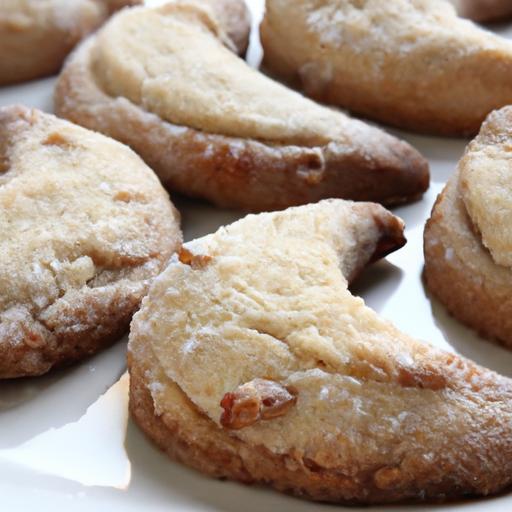
Rich, creamy, and dripping with nostalgia, dulce de leche is much more than just a caramel spread-it’s a velvety testament to centuries of culinary tradition and cultural party. From humble beginnings simmering in rustic kitchens to its place as a beloved staple in desserts around the world, this golden-hued delight carries a sweet story that transcends borders. Join us as we unravel the origins, craftsmanship, and irresistible charm behind dulce de leche-the luscious velvet caramel bliss that continues to captivate taste buds and hearts alike.
Dulce De Leche embodies a luscious caramelized symphony that has ignited passion across Latin America and beyond. This sweet, velvety confection transforms simple milk and sugar into a golden treasure cherished in countless households. Its rich cultural roots trace back to Argentina and Uruguay, where families gather to savor this decadent treat, passed down through generations. The magic lies not only in its taste but in its creamy texture – a perfect blend of warmth and indulgence that elevates desserts and beverages alike.
Prep and Cook Time
- planning: 5 minutes
- Cooking Time: 1 hour 15 minutes
- Total Time: 1 hour 20 minutes
Yield
approximately 1 1/2 cups of creamy dulce de leche.
Difficulty Level
Easy to Medium – requires attentive stirring but suitable for home cooks at all skill levels.
Ingredients
- 4 cups whole milk (preferably fresh and full-fat for optimal creaminess)
- 1 1/4 cups granulated sugar
- 1/4 teaspoon baking soda (essential to prevent curdling and encourage caramelization)
- 1 teaspoon pure vanilla extract (optional, for added depth)
step-by-Step Instructions
- Combine the milk, sugar, and baking soda in a wide, heavy-bottomed saucepan to ensure even heat distribution.
- Warm the mixture over medium heat, stirring gently until the sugar dissolves completely-about 5 minutes.
- Reduce heat to low, and simmer uncovered.Stir frequently (every 5-7 minutes) with a wooden spoon or silicone spatula, scraping the sides and bottom to prevent scorching.
- Continue simmering for approximately 1 hour to 1 hour 15 minutes,until the mixture thickens considerably and acquires a deep golden caramel color with a smooth,velvety texture. The volume will reduce by more than half.
- Remove from heat and stir in vanilla extract if desired, allowing the aroma to deepen the flavor.
- Pour into a clean heat-proof jar or container and allow to cool completely at room temperature before sealing.
Chef’s Notes and Tips for Success
- Use a wide saucepan to increase surface area and encourage even evaporation and caramelization.
- Patience is key: Stirring frequently prevents burning and ensures a silky finish.
- The baking soda is the secret to achieving smoothness and a rich brown color by neutralizing acidity and promoting gentle browning.
- For a quicker method, use slow cooker dulce de leche, but stovetop offers more control and traditional flavor.
- Store refrigerated for up to 3 weeks. Bring to room temperature or warm gently before using for spreadability.
- Make ahead for effortless indulgence at parties or cozy nights in.
- To adjust sweetness, experiment with brown sugar or add a pinch of sea salt for a salted caramel twist.
Serving Suggestions
Dulce de leche shines as a versatile companion to many treats:
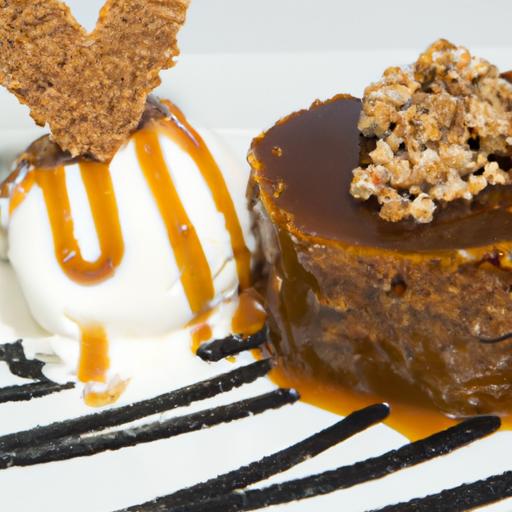
- Swirl over vanilla ice cream and sprinkle with toasted pecans for a simple yet elegant dessert.
- Fill pancakes or crepes for a decadent breakfast fit for celebrations.
- Mix into coffee or hot chocolate for a luxuriously sweet and creamy boost.
- Use as a frosting layer between chocolate or spice cake tiers – garnish with edible gold flakes for visual drama.
- Drizzle over fresh fruit like bananas, apples, or pears to elevate a light, natural sweetness.

Nutritional Information per 2 tablespoons
| Calories | Protein (g) | Carbohydrates (g) | Fat (g) |
|---|---|---|---|
| 120 | 2 | 22 | 3 |
Discover how this velvet caramel bliss can transform your homemade creations with its silky richness. For a deeper dive into the science behind caramelization, visit Exploratorium’s Caramelization Guide.
Q&A
Q&A: Dulce De Leche – The Sweet Story Behind Velvet Caramel Bliss
Q1: What exactly is dulce de leche?
A1: Dulce de leche is a sumptuous, creamy caramel sauce made by slowly heating sweetened milk until it transforms into a golden, velvety confection. Its name literally means “sweet of milk” in Spanish, and it’s cherished across Latin America as a decadent treat.
Q2: How did dulce de leche come to be?
A2: The origin of dulce de leche is wrapped in sweet folklore.While several countries claim its beginnings, the most popular tales date back to the 19th century in Argentina or Uruguay, where a fortunate accident involving heated milk and sugar gave birth to this luscious delight. Over time, it became an iconic symbol of comfort and celebration.
Q3: What distinguishes dulce de leche from regular caramel?
A3: Unlike traditional caramel,which is made by melting sugar alone,dulce de leche’s magic lies in its milk base. The slow cooking of milk and sugar together produces a rich, creamy texture with deep, complex flavors – a harmonious marriage of sweetness and subtle toasted notes, far beyond what simple caramel offers.
Q4: How is dulce de leche traditionally made?
A4: Traditionally, dulce de leche is crafted by gently simmering a mixture of milk and sugar for several hours, stirring frequently to avoid burning. This patient process allows the milk proteins and sugars to undergo Maillard reactions, turning the mixture into a thick, golden spread with a melt-in-the-mouth consistency.
Q5: Are there variations of dulce de leche across cultures?
A5: Absolutely! While the essence remains milk and sugar,variations flourish from country to country. Some versions are richer, made with cream or flavored with cinnamon or vanilla; others might be thicker or drizzled in desserts as a sauce. Each nuance reflects local tastes but always honors that signature silky sweetness.
Q6: What are some popular ways to enjoy dulce de leche?
A6: Dulce de leche’s versatility is legendary. it can be spread on toast, swirled into ice cream, layered in cakes and pastries like the famous alfajores, or simply enjoyed by the spoonful for a speedy sugar-kissed escape. Its silky texture and lush flavor elevate even the simplest treats.
Q7: Can I make dulce de leche at home easily?
A7: Yes! While traditional methods require patience, many home cooks opt for a quick trick: boiling unopened cans of sweetened condensed milk until caramelized. Just be sure to follow safety tips closely. For purists,slow stovetop simmering yields the richest,most authentic results.
Q8: What is the secret behind dulce de leche’s velvety texture?
A8: The secret lies in slow, low-heat cooking and constant stirring. This allows the sugars to caramelize gently while the milk proteins thicken the sauce without crystallizing. The result is a perfectly smooth, creamy consistency that feels like velvet on the palate.
Q9: Is dulce de leche only used as a dessert ingredient?
A9: While it shines brightest in sweets, dulce de leche can also add a surprising twist to breakfast dishes like pancakes or waffles, and even a touch of elegance to coffee or hot chocolate. Its luscious sweetness is a versatile companion beyond the dessert table.
Q10: What makes dulce de leche a timeless culinary icon?
A10: Dulce de leche is more than just a sweet spread; it embodies tradition, patience, and the joy of simple ingredients elevated through time-honored techniques.Its rich flavor and comforting texture evoke nostalgia and celebration, making it a cherished symbol of indulgence across generations.
Dive into the story of dulce de leche, and you’ll understand why this velvet caramel bliss continues to captivate taste buds worldwide.
In Conclusion
As the final swirl of dulce de leche melts into your memory, it’s clear that this velvet caramel bliss is far more than just a sweet treat. From humble beginnings rooted in tradition to its star-studded presence in kitchens around the world, dulce de leche carries with it a story as rich and smooth as its flavor. Whether drizzled over desserts, spread on warm bread, or savored straight from the spoon, this golden elixir continues to enchant taste buds and inspire culinary creativity. So next time you indulge in dulce de leche, remember-you’re partaking in a timeless tale of sweetness, culture, and a little bit of magic.