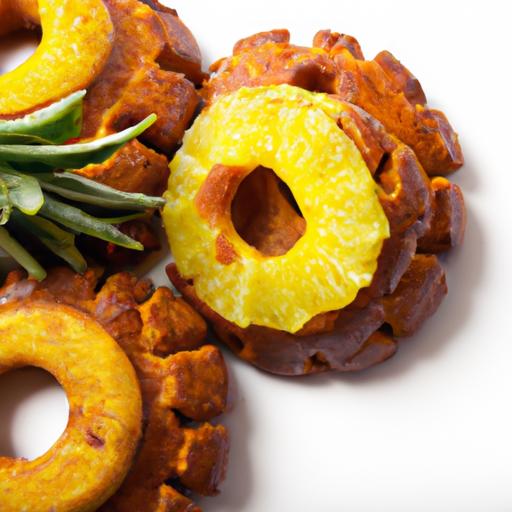

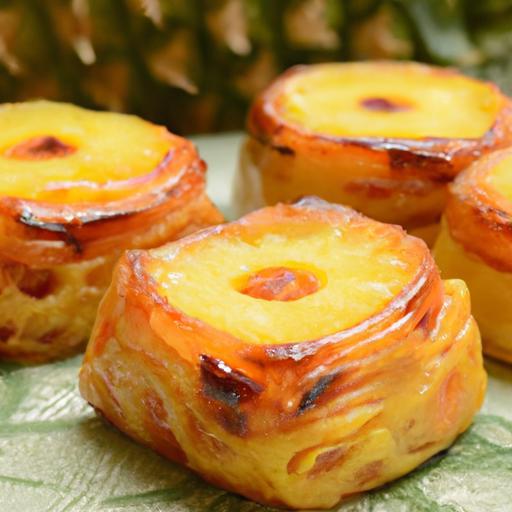
In the fragrant kitchens of Taiwan, where tradition meets taste, a beloved treat has woven itself into the fabric of local culture: the pineapple cake. More then just a sweet pastry, Taiwanese pineapple cakes carry stories of history, symbolism, and festivity folded delicately into each buttery bite. From humble beginnings to a symbol of hospitality and good fortune, these golden squares tell a tale that is as rich as their luscious filling. Join us as we unravel the story behind Taiwanese pineapple cakes-a delicious tradition that transcends mere dessert to become a cherished emblem of cultural identity.
Origins Rooted in Celebration and Symbolism
Taiwanese pineapple cakes hold a cherished place in the hearts of many, where their sweet traditions run deeper than just flavor. Born from cultural symbolism and joyous celebrations, these delectable pastries reflect hopes for prosperity and good fortune. The pineapple, pronounced “ong-lai” in Taiwanese, is a homophone for “prosperity comes,” making pineapple cakes a popular gift during festivals, weddings, and Lunar New Year. Each bite carries the warmth of Taiwanese hospitality, evoking memories of family gatherings and festive markets.
Crafting the Perfect Texture and Flavor Balance
mastering the balance between crumbly, buttery crust and luscious, mildly tart pineapple filling is the secret to these iconic treats. the delicate dough requires chilled butter and precise kneading to achieve a tender yet firm texture that melts in the mouth. The filling is crafted from fresh, ripe pineapples cooked down to a thick jam-like consistency, striking a harmonious balance between natural sweetness and a slight tang. Using pineapple jam made from fresh fruit rather than canned ensures bright notes and a pure essence that elevates every bite.
Regional Variations and Signature Pineapple Cake Makers
Throughout Taiwan, regional bakeries have stamped their unique signatures on pineapple cakes, adding subtle twists that appeal to diverse palates. In Taichung,you might find blends with winter melon adding a smooth sweetness,while Taipei bakeries pride themselves on buttery crusts that contrast with rich fillings infused with hints of citrus or honey. Renowned makers like Chia Te Bakery have popularized these variations, becoming landmarks for tourists and locals alike. Exploring these regional delights offers not only taste but a journey through Taiwanese culinary history.
Tips for Selecting and Storing Fresh Pineapple cakes
When choosing pineapple cakes, look for those with a delicate, golden-brown crust that doesn’t crumble excessively upon touch. The aroma should hint at buttery goodness with a fruity sweetness.Avoid overly glossy or artificially colored pastries as they frequently enough signal preservatives or additives. Freshly baked cakes are best consumed within a week, ideally stored in a cool, dry place in their original airtight packaging.
For longer shelf life, refrigeration can extend freshness but allow the cakes to reach room temperature before serving to revive their texture and flavor. If you plan to gift pineapple cakes, consider storing them in decorative tins or boxes, which preserve the pastryS shape and nostalgic appeal beautifully.
prep and Cook Time
- Planning Time: 30 minutes
- Cooking Time: 25 minutes
- Total Time: 55 minutes
Yield
- Makes 12 delicious pineapple cakes
Difficulty Level
- Medium: Requires precision in dough handling and filling preparation
Ingredients
- for the Filling:
- 2 cups fresh pineapple, finely chopped
- 1/2 cup granulated sugar
- 2 tablespoons lemon juice
- 1 tablespoon cornstarch mixed with 1 tablespoon water
- For the Crust:
- 1 cup unsalted butter, chilled and cubed
- 1/3 cup powdered sugar
- 2 large egg yolks
- 2 cups all-purpose flour, sifted
- 1/4 cup cake flour, sifted
- 1/4 teaspoon salt
Instructions
- Prepare the pineapple filling: In a medium saucepan over medium heat, combine chopped pineapple and granulated sugar. Stir occasionally until the pineapple softens and juices release, about 10 minutes.
- Add lemon juice and the cornstarch slurry to the pineapple mixture. Continue cooking for 5 minutes,stirring constantly,until the filling thickens to a jam-like consistency. Remove from heat and allow to cool entirely.
- Make the crust: Using a stand mixer fitted with a paddle attachment,cream chilled butter and powdered sugar on medium speed until light and fluffy,about 3 minutes.
- Add egg yolks one at a time, mixing well after each addition.
- Reduce mixer speed to low, then gradually add sifted all-purpose flour, cake flour, and salt. Mix just until the dough comes together-avoid overworking.
- Divide dough into 12 equal portions and flatten each into a disc.
- Preheat oven to 350°F (175°C). Line a baking sheet with parchment paper.
- Place one tablespoon of pineapple filling in the center of each dough disc. Fold edges over the filling and gently shape into a square or oval, ensuring the filling is sealed completely.
- Arrange the filled cakes on the baking sheet, leaving space between each pastry.
- Bake for 20-25 minutes or until crusts are golden brown.
- Remove from oven and cool on a wire rack before serving.
Chef’s Notes
- For a smoother filling, pulse pineapple in a food processor before cooking.
- Substitute part of the regular sugar with rock sugar for a gentler sweetness.
- chilling the dough for 30 minutes before shaping can improve texture and ease handling.
- Make filling and dough ahead; store separately and assemble just before baking.
- For a nutty twist, add 2 tablespoons of finely ground almonds into the dough.
Serving Suggestions
Present pineapple cakes on a bamboo serving tray or elegant porcelain plates for a traditional touch. Garnish with a light dusting of powdered sugar or a small fresh pineapple leaf beside each cake for vibrant color contrast. Pair with oolong or jasmine tea to accentuate the fruity acidity and buttery richness. These cakes also make sweet-hearted gifts when packed into festive boxes adorned with red ribbons, symbolizing luck and happiness.
| Nutrient | Per Serving (1 Cake) |
|---|---|
| Calories | 210 kcal |
| Protein | 3 g |
| Carbohydrates | 30 g |
| Fat | 8 g |

Q&A
Q&A: Sweet Traditions – The Story Behind Taiwanese Pineapple Cakes
Q1: What exactly are Taiwanese pineapple cakes?
A: Taiwanese pineapple cakes, or “fènglísū” (鳳梨酥), are delightful bite-sized pastries featuring a buttery, crumbly exterior filled with luscious, sweet pineapple jam.They’re treasured as both snacks and symbolic gifts that capture the essence of Taiwanese hospitality and culture.
Q2: Why are pineapple cakes so popular in Taiwan?
A: Pineapple cakes have become iconic in Taiwan due to their rich cultural symbolism. the word for pineapple in taiwanese Hokkien sounds like “prosperity comes,” making these treats not just tasty snacks but heartfelt wishes for good fortune and success, especially during festive occasions and celebrations.
Q3: How did pineapple cakes originate?
A: Their roots trace back to the Japanese colonial period when local bakers began combining western-style pastries with abundant tropical ingredients. Pineapple, being a flourishing crop in Taiwan’s climate, found its way into desserts. Over time, the pineapple cake evolved into a distinctive symbol of taiwanese identity and craftsmanship.
Q4: What makes the pineapple jam filling special?
A: Authentic fillings balance sweetness with a slight tanginess, crafted from ripe pineapples that are carefully cooked down to a smooth yet textured jam. Some bakers blend golden pineapple with winter melon for added softness and subtle sweetness, creating a harmonious flavor that complements the buttery crust.
Q5: How is the pastry crust made?
A: The crust is a tender,crumbly shortbread made from high-quality butter,flour,sugar,and eggs.The magic lies in the delicate technique-enough to create a melt-in-your-mouth texture without overshadowing the fruity filling.
Q6: Are pineapple cakes only enjoyed during certain times of the year?
A: While they’re especially popular during Lunar New Year and Mid-Autumn Festival for their auspicious symbolism, pineapple cakes are actually enjoyed year-round as souvenirs, gifts, or daily treats. Their enduring popularity transcends seasons, offering a sweet slice of taiwanese tradition anytime.
Q7: Can pineapple cakes tell us something about Taiwanese culture?
A: Absolutely! These cakes embody the blend of Taiwanese flavors and the spirit of generosity. Offering pineapple cakes is a gesture of goodwill, and their packaging frequently enough features intricate designs reflecting local art and heritage-making each box a token of connection and celebration.
Q8: How have pineapple cakes evolved in modern times?
A: Contemporary bakers experiment with new fillings-like mango, green tea, or sweet potato-while respecting classic methods. Yet, the heart of the pineapple cake remains the same: a tribute to Taiwan’s natural bounty and warm traditions.
Q9: Where is the best place to try authentic pineapple cakes in Taiwan?
A: Authentic pineapple cakes can be found in bustling night markets, specialty bakeries, and renowned shops such as Chia Te and SunnyHills. Sampling a freshly baked pineapple cake on-site is a delicious journey through Taiwan’s heritage.
Q10: What’s the best way to enjoy a pineapple cake?
A: Savor it with a cup of fragrant Taiwanese tea, like oolong or jasmine, to enhance the sweet and tangy flavors. Share them with friends and family to embrace the full spirit of togetherness and good fortune that pineapple cakes so wonderfully represent.
the Conclusion
As the buttery crust melts and the golden pineapple filling unfolds its sweet-tart tale, Taiwanese pineapple cakes invite us to savor more than just a treat-they offer a taste of history, culture, and heartfelt tradition. These humble delights, born from island heritage and shaped by generations of hands, continue to bridge the past and present with every bite. Whether gifted at festivals or shared among friends, pineapple cakes are more than pastry; they are edible stories, carrying the warmth of Taiwan’s sweet traditions far beyond its shores. So next time you unwrap one, remember: you’re not just indulging in a dessert-you’re partaking in a delicious chapter of Taiwanese heritage.