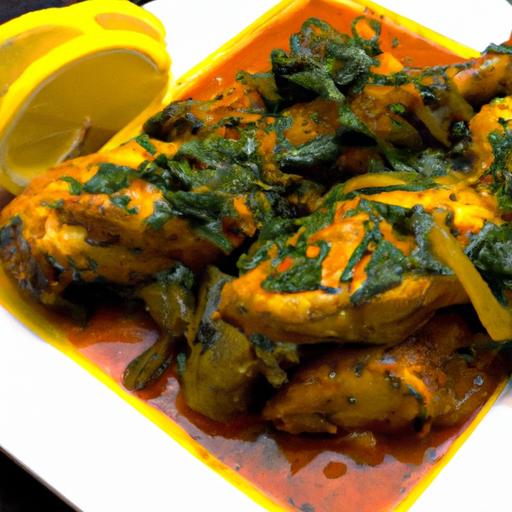

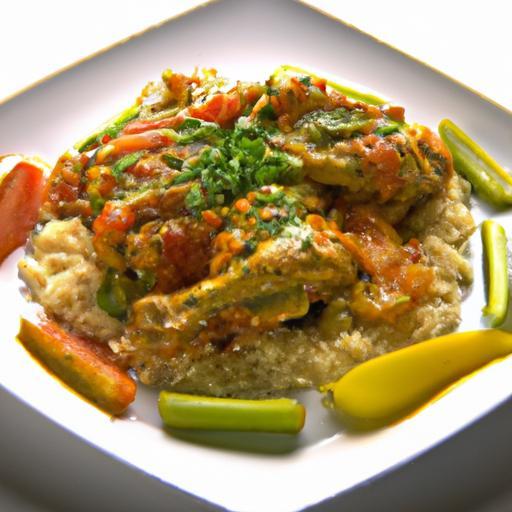
In the heart of Central africa, where vibrant cultures mingle and rich traditions unfold, lies a culinary gem that tells a story as colorful as the Congo itself. poulet Moambe, often hailed as the nation’s quintessential dish, is far more than just chicken simmered in sauce-it is a flavorful treasure steeped in history, heritage, and a symphony of spices. Journey with us as we unveil the secrets behind this beloved Congolese specialty, exploring its origins, its unique ingredients, and the irresistible taste that has captivated palates both at home and beyond. Prepare to savor the essence of Congo’s culinary soul through the exquisite layers of Poulet Moambe.
Poulet Moambe is much more than just a dish-it’s a vibrant celebration of Congolese culinary heritage and a flavorful journey into Central Africa’s rich traditions. Rooted deeply in the heart of the Democratic Republic of Congo, this chicken stew simmered in a luscious, palm nut-based sauce has won hearts worldwide. Often called the “national dish” of Congo, poulet moambe carries the aromas, textures, and stories of generations, lending an inviting, smoky-sweet flavor profile that is both comforting and exhilarating.
Origins and Cultural significance of Poulet Moambe in Congolese Cuisine
Poulet Moambe embodies the soul of congolese dining. Traditionally, it’s a communal dish prepared for special occasions, family gatherings, and celebrations.The moambe sauce-made from palm nut pulp-is a centerpiece ingredient native to Central Africa, symbolizing abundance and hospitality. In many Congolese homes, this dish is more than food; it’s an expression of identity and pride. The rich,creamy,and slightly tangy sauce harmonizes with tender chicken,reflecting Congo’s diverse agricultural heritage and ancestral cooking methods passed down orally through generations.
Prep and Cook time
- Preparation Time: 20 minutes
- Cooking Time: 1 hour 10 minutes
- Total Time: 1 hour 30 minutes
Yield
Serves 4 to 6 hearty portions-perfect for sharing at family dinners or festive meals.
Difficulty Level
Medium: While the techniques are straightforward, balancing the moambe sauce requires attention and patience for best results.
Key Ingredients That Define the Unique Taste of Poulet Moambe
- 3 lbs chicken pieces (preferably bone-in, skin-on for flavor)
- 1 cup palm nut cream (moambe paste or canned palm nut concentrate)
- 1 large onion, finely chopped
- 4 garlic cloves, minced
- 1 tbsp smoked paprika (adds a subtle smoky depth)
- 2 tbsp peanut butter (unsweetened and natural)
- 2 medium tomatoes, diced
- 1 scotch bonnet pepper, whole (optional for heat)
- 2 tbsp vegetable oil
- 2 cups chicken stock
- Salt and freshly ground black pepper to taste
- Fresh parsley or cilantro for garnish
Step-by-Step Guide to Preparing Authentic Poulet Moambe at Home
- Marinate the chicken: Season the chicken pieces generously with salt, pepper, and half the smoked paprika. Let rest for at least 15 minutes to infuse flavor.
- Brown the chicken: In a heavy-bottom pot, heat vegetable oil over medium-high heat. Add chicken pieces skin-side down, sauté until golden brown on all sides, about 8-10 minutes. Remove and set aside.
- Sauté the aromatics: In the same pot, reduce heat to medium, add onions and garlic. Sauté until softened and translucent, about 5 minutes. Stir frequently to prevent burning.
- Add tomatoes and spices: Stir in the diced tomatoes, remaining paprika, and peanut butter, cooking until tomatoes break down and mixture thickens, approximately 7 minutes.
- Incorporate palm nut cream: Gradually stir in the palm nut cream, blending it well with the aromatic base. Pour in chicken stock and bring to a gentle simmer.
- Cook the chicken in sauce: Return browned chicken pieces to the pot, nestling them into the sauce. Add the whole scotch bonnet pepper if using (remove before serving for less heat). Cover and simmer on low for 45 minutes, turning chicken occasionally to coat evenly.
- Adjust seasoning: Taste and add salt or pepper as needed. The sauce should be thick, glossy, and richly colored.
- Finish and garnish: Remove the scotch bonnet pepper carefully. sprinkle chopped parsley or cilantro over the dish for a fresh herbal brightness.
Expert Tips for Serving and Pairing Poulet moambe to Elevate Your Meal
Poulet Moambe pairs beautifully with comforting staples such as fufu (cassava or plantain-based dough), steamed rice, or even creamy mashed potatoes. For a truly authentic experience, serve with sautéed greens like spinach or kale. Garnish with sliced chili or fresh herbs for inviting color contrasts. complement your plate with a crisp, refreshing side salad to balance the richness of the sauce. This dish shines best when enjoyed with family or friends, making every bite a joyful celebration.
Tips for Success
- Substitution: If palm nut cream (moambe) is unavailable, canned palm nut concentrate online or in African specialty stores works perfectly.Avoid substitutes like tomato paste alone, as it changes the dish’s signature flavor.
- Peanut butter: Adding natural peanut butter enriches the sauce’s body and imparts subtle earthiness-use unsweetened and unsalted for best results.
- Spice level: Keep the scotch bonnet whole to gently infuse heat without overpowering. Remove it before serving unless you desire some bold kick.
- Make-ahead: Poulet Moambe tastes even better the next day as flavors deepen. Store in an airtight container and gently reheat on the stovetop with a splash of water or stock.
- Presentation: Serve in a rustic clay pot or a colorful ceramic dish to honor the dish’s cultural roots.
Nutritional Details
| Per Serving | Calories | Protein | Carbs | Fat |
|---|---|---|---|---|
| Poulet Moambe (approx.) | 450 kcal | 38 g | 12 g | 25 g |

For more flavorful African-inspired recipes, be sure to check out our Central african Classics collection. To dive deeper into the history of palm oil and its uses worldwide, this Britannica entry on palm oil is an excellent resource.
Q&A
Q&A: Poulet Moambe – Congo’s Flavorful Chicken Treasure Unveiled
Q1: What is Poulet Moambe, and why is it considered a national treasure in Congo?
A: Poulet Moambe is a richly flavored chicken stew that holds a special place in Congolese cuisine and culture. Often dubbed the ”heart” of Congolese cooking, this dish combines tender chicken with a deeply savory, slightly smoky sauce made from moambe (palm butter), local spices, and aromatics. It’s not just a meal-it’s a vibrant expression of Congo’s culinary heritage, passed down through generations.
Q2: What exactly is moambe, and how does it shape the dish’s unique flavor?
A: Moambe is a luscious, reddish-brown palm nut butter derived from the fruit of the oil palm tree. It lends Poulet Moambe its signature creamy texture and earthy, slightly nutty character. This ingredient creates a savory backbone that perfectly balances the spices and the natural sweetness of the chicken, making each bite irresistibly rich and comforting.
Q3: Which ingredients give Poulet Moambe its distinctive taste and aroma?
A: Beyond the moambe,classic ingredients include garlic,onions,tomatoes,chili peppers,and regional spices such as bay leaves and sometimes a hint of ginger or nutmeg. The slow simmer allows these flavors to meld, creating layers of complexity-from subtle heat to deep umami-that dance on the palate with every forkful.
Q4: How is Poulet Moambe traditionally prepared and served in congo?
A: Traditionally, the chicken is first browned to lock in juices before being gently cooked in the moambe sauce. It’s simmered slowly to let the sauce thicken and saturate the meat. Poulet Moambe is typically served with staples like rice, plantains, or fufu-a soft dough made from cassava or yam-offering the perfect canvas to soak up the sumptuous sauce.
Q5: Are there any cultural or festive occasions associated with Poulet Moambe?
A: Absolutely! Poulet Moambe is often the centerpiece of family gatherings, celebrations, and special festivals. It symbolizes hospitality and warmth in Congolese communities, bringing people together around the table to share stories, laughter, and a deeply satisfying communal meal.
Q6: Can Poulet Moambe be adapted for different cooking styles or household preferences?
A: While the essence of Poulet Moambe lies in its conventional ingredients and slow-cooked assembly, home cooks sometimes tweak spice levels or add local vegetables such as okra or eggplants for added texture.The key is respecting moambe’s rich flavor while allowing personal touches to shine through,ensuring the dish remains both authentic and approachable.
Q7: What makes Poulet Moambe stand out among other African chicken dishes?
A: Its luxurious palm butter sauce sets Poulet moambe apart, offering a rich, velvety mouthfeel uncommon in many other chicken preparations. Unlike spicier or tomato-based stews from nearby regions, Poulet Moambe balances earthiness and subtle sweetness with gentle heat, creating a uniquely comforting yet vibrant dish that truly captures Congo’s culinary soul.
Q8: Where can someone outside of Congo experience or taste Poulet Moambe?
A: African restaurants specializing in Central African cuisine or Congolese diaspora communities often feature Poulet Moambe on thier menus. Moreover, with the growing interest in global flavors, many adventurous home cooks are now embracing authentic recipes, sourcing palm nut butter online or at specialty markets to bring this treasured dish into their kitchens worldwide.
Key Takeaways
As the rich aromas of palm butter, fragrant spices, and tender chicken linger in the memory, Poulet Moambe stands not just as a dish, but as a vibrant emblem of Congo’s culinary heritage. This flavorful treasure, steeped in history and tradition, invites food lovers worldwide to savor a taste of Central Africa’s soul.Whether enjoyed in a bustling Kinshasa kitchen or recreated far from the rivers and rainforests that inspired it, Poulet Moambe continues to weave stories of culture, community, and celebration-one mouthwatering bite at a time.