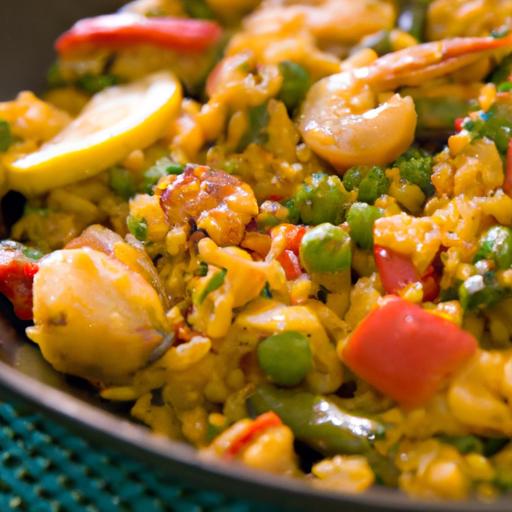

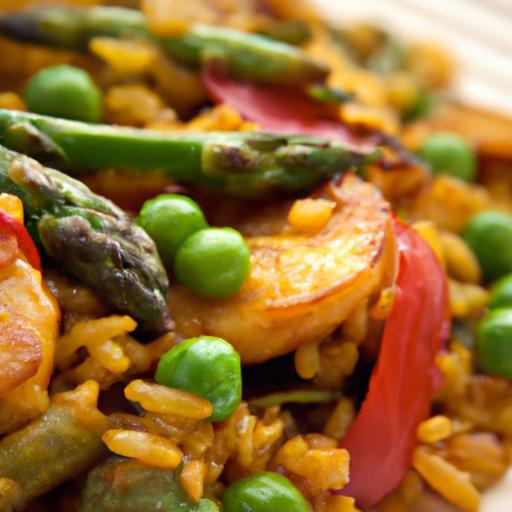
Bursting with color and brimming with flavour, vibrant vegetable paella is a captivating twist on one of Spain’s most beloved culinary treasures. This timeless dish paints a picturesque tableau of golden saffron-infused rice adorned with an array of fresh, garden-picked vegetables that celebrate the very essence of Mediterranean bounty. More than just a feast for the eyes, this colorful Spanish classic offers a harmonious blend of textures and aromas that tell a story of tradition, creativity, and the joy of communal dining.
Join us as we unravel the secrets behind crafting the perfect vegetable paella, exploring its rich history, essential ingredients, and cooking techniques that transform humble produce into a palette-pleasing masterpiece.
Vibrant Vegetable Paella bursts with a kaleidoscope of fresh, colorful ingredients that awaken the senses and celebrate the heart of Spanish cuisine. This iconic dish, cherished along the sunny coasts of Valencia, transcends tradition by spotlighting garden-fresh vegetables, seamlessly enveloped in the unmistakable golden hues of saffron and the aromatic embrace of classic Mediterranean spices. Every spoonful tells a story-rich with history, infused with passion, and ready to bring your table to life.
Prep and Cook Time
- Preparation: 20 minutes
- Cooking: 40 minutes
- Total: 1 hour
Yield
Serves 4 dynamic appetites, perfect for sharing with family or friends.
Difficulty Level
Medium – A rewarding endeavor for those eager to master authentic layering of flavors and textures.
Ingredients
- 2 tablespoons extra virgin olive oil
- 1 large onion,finely chopped
- 3 cloves garlic,minced
- 1 red bell pepper,diced
- 1 yellow bell pepper,diced
- 1 cup green beans,trimmed and halved
- 1 medium zucchini,diced
- 1 cup artichoke hearts (fresh or frozen),quartered
- 1 ½ cups bomba or short-grain rice
- 4 cups vegetable broth,heated
- pinch of saffron threads,soaked in 2 tablespoons warm water
- 1 teaspoon smoked paprika
- 1 teaspoon sweet paprika
- 1 teaspoon fresh thyme leaves
- ½ teaspoon crushed red pepper flakes (optional)
- 1 cup ripe cherry tomatoes,halved
- 1 lemon,cut into wedges for garnish
- Fresh parsley,chopped (for garnish)
- Sea salt and black pepper to taste
Instructions
- Heat the olive oil in a wide,shallow paella pan or large skillet over medium heat. Sauté the chopped onion and garlic until translucent and fragrant, about 4-5 minutes.
- Add the diced bell peppers and green beans to the pan. Cook until softened but still vibrant, stirring occasionally for around 5 minutes.
- Stir in the diced zucchini and artichoke hearts, letting them warm through gently for 3 minutes.
- Add the rice, tossing it in the oil and vegetables to coat each grain.Sauté briefly, about 2 minutes, to develop a lightly toasted flavor.
- Pour in the hot vegetable broth infused with the soaked saffron threads, ensuring the rice is evenly submerged. Sprinkle both smoked and sweet paprika along with fresh thyme and crushed red pepper flakes (if using).
- Season with salt and pepper. Do not stir from this point on, allowing the rice to absorb the liquid steadily. Simmer uncovered over medium-low heat for 25-30 minutes.
- Scatter the halved cherry tomatoes over the top halfway through cooking to let them soften and release thier sweetness.
- Achieving the perfect socarrat – as the liquid nears absorption, increase the heat to medium-high for the last 3-5 minutes. listen for a gentle crackling sound indicating the coveted crisp crust forming on the bottom.
- Remove from heat and let the paella rest for 5 minutes.
- Garnish with freshly chopped parsley and lemon wedges. Serve straight from the pan for a truly authentic and joyful presentation.
Tips for Success: Mastering the Art of Saffron and Spice Infusion
- Saffron quality matters: Choose vibrant,unbroken threads and soak them in warm broth rather than water to coax out their golden color and deep floral aroma.
- Spices: toast your paprika briefly before using to amplify its smokiness-this extra step enriches the entire dish.
- Socarrat secrets: resist the urge to stir once the broth is added. A steady simmer and gentle heat at the end form that signature crunchy bottom layer revered in every paella lover’s heart.
- Vegetable variations: Feel free to include seasonal vegetables like peas, asparagus tips, or baby corn for both texture and color diversity.
Serving Suggestions and Pairings to Elevate Your Paella Experience
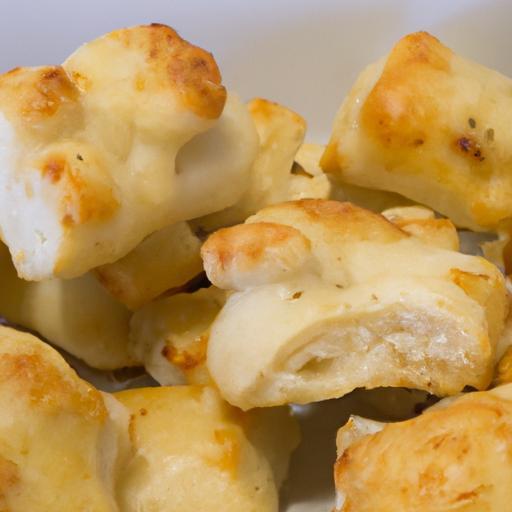
Presentation is as celebratory as the dish itself-serve your vibrant Vegetable Paella family-style straight from the pan, scattered with fresh lemon wedges to brighten every bite. Pair with rustic garlic bread or a crisp green salad bursting with citrus and fennel to complement the saffron’s warmth.
For beverages, try a chilled sparkling water infused with slices of cucumber and mint or a refreshing non-alcoholic sangria featuring pomegranate and orange juice. These elevate the meal without overpowering the nuanced flavors of the paella.
| Nutrient | Per Serving |
|---|---|
| Calories | 350 kcal |
| Protein | 9 g |
| Carbohydrates | 60 g |
| Fat | 7 g |

Learn more about the history of paella from a trusted source to deepen your recognition for this Spanish masterpiece.
Q&A
Q&A: Vibrant Vegetable Paella – A Colorful Spanish Classic Explained
Q1: What makes vegetable paella a standout dish in Spanish cuisine?
A1: Vegetable paella bursts with color, texture, and flavor, showcasing the rich bounty of Spain’s fresh produce. Unlike other versions, it celebrates the vibrant diversity of vegetables, turning humble ingredients into a festive, soul-satisfying meal that’s both visually stunning and delicious.
Q2: Which vegetables are traditionally used in vegetable paella?
A2: Classic choices include bell peppers,artichokes,green beans,tomatoes,peas,and sometimes tender zucchini or asparagus. These vegetables bring a balance of sweetness, earthiness, and crunch that complement the saffron-infused rice perfectly.
Q3: How does the cooking technique contribute to the authentic flavor of paella?
A3: The magic lies in the “socarrat,” the golden, crispy layer of rice at the bottom of the pan.Cooking paella over direct heat allows the rice to absorb the aromatic broth while slowly caramelizing on the surface, imparting a smoky, nutty depth that’s signature to this dish.
Q4: What role does saffron play in vegetable paella?
A4: Saffron is the jewel in vegetable paella’s crown, lending a warm, floral aroma and its distinctive golden hue. it elevates the dish beyond mere rice and vegetables, infusing every grain with a subtle complexity that’s unmistakably Spanish.
Q5: Can vegetable paella be adapted for different dietary preferences?
A5: Absolutely! vegetable paella is naturally vegetarian and can easily be made vegan by ensuring the broth is vegetable-based. It’s a versatile canvas where you can add seasonal veggies, herbs like rosemary or thyme, and spices to make the dish your own while keeping it wholesome and inclusive.
Q6: What distinguishes paella from other rice dishes?
A6: Paella’s uniqueness comes from its communal cooking style,specific pan shape,and layering of flavors-especially the toasty socarrat. Unlike many rice dishes that are stirred continuously, paella is gently left to simmer undisturbed, creating a textured harmony of tender rice and crispy edges.
Q7: How important is the choice of rice in making an authentic vegetable paella?
A7: Essential! Short-grain rice varieties like bomba or calasparra absorb liquids beautifully without becoming mushy. They soak up the saffron broth and vegetable juices, allowing each grain to remain distinct yet tender-a hallmark of perfect paella.
Q8: What tips can help home cooks master vegetable paella?
A8: Use a wide, shallow pan to spread the rice evenly, don’t stir once the broth is added, and allow the socarrat to form by cooking over medium-high heat toward the end. Also, fresh, high-quality ingredients-especially stock and saffron-make all the difference.
Q9: How is vegetable paella traditionally served?
A9: Paella is typically enjoyed straight from the pan, served family-style to encourage sharing and celebration. A wedge of lemon on the side adds a bright counterpoint, lifting the deep flavors and making each bite lively and refreshing.
Q10: Why has vegetable paella gained popularity beyond Spain?
A10: It speaks to modern tastes-healthy, colorful, plant-based, yet deeply rooted in tradition. Its vibrant colors, bold flavors, and communal spirit resonate worldwide, inviting cooks of all backgrounds to create a little Spanish sunshine in their own kitchens.
Final Thoughts
As the sun sets over the Spanish coastline, vibrant vegetable paella stands as a testament to the country’s rich culinary heritage-an artful blend of color, flavor, and tradition simmered to perfection. This colorful classic not only celebrates the bounty of fresh, seasonal produce but also invites home cooks to embrace the joyful rhythms of Spanish cooking. Whether you’re savoring it at a lively family gathering or exploring new tastes on a quiet evening, vegetable paella offers a delicious way to connect with the heart of Spain-one vibrant, saffron-kissed spoonful at a time.