
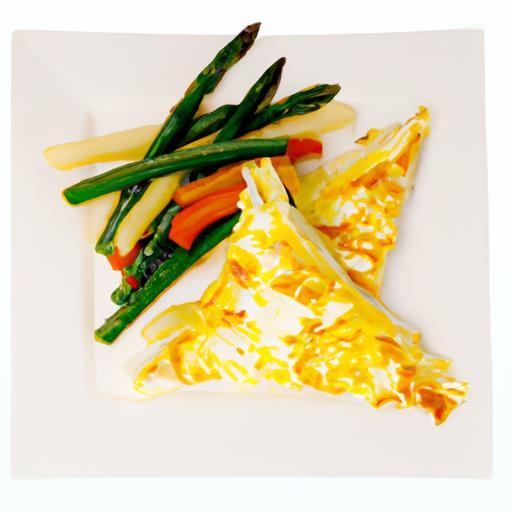
Imagine navigating a culinary maze where even the moast innocent-looking dishes might conceal sneaky gluten traps.For those committed to a gluten-free lifestyle, vigilance extends beyond the obvious bread and pasta. Hidden gluten can lurk in unexpected places, turning a safe meal into a digestive dilemma. In this article, we’ll uncover the lesser-known foods that commonly harbor gluten, empowering you to dine confidently and keep your gluten-free journey truly safe. get ready to unveil the secrets behind these hidden gluten pitfalls and learn exactly which foods to skip.
Smart Swaps and Safe Alternatives for a Truly Gluten-Free Diet
Hidden Gluten Traps are everywhere, even in foods you’d least expect, making the journey to a 100% gluten-free life both challenging and rewarding.From pantry staples to restaurant dishes, understanding how to navigate cross-contamination risks and decode labels is essential to protect your health and savor every bite without worry.
Prep and Cook Time
- Prep Time: 10 minutes
- Cook Time: No cooking required for kitchen safety tips
Yield
Enough knowledge to confidently maintain a gluten-free kitchen and lifestyle for a lifetime.
Difficulty Level
Easy – Awareness and vigilance unlock your gluten-free success!
Ingredients
- Certified gluten-free grains (quinoa, rice, amaranth) – as pantry staples
- Gluten-free flours (almond, coconut, tapioca) for baking alternatives
- Gluten-free oats (marked gluten-free on label)
- Pure spices and herbs (whole or ground, without fillers)
- Nut butters and seeds - always check additive labels for gluten fillers
- Gluten-free tamari or coconut aminos as soy sauce alternatives
- Single-ingredient proteins: fresh meats, poultry, fish (no breading or seasoning) – avoid pork-based products
- Fresh produce and unprocessed dairy products
instructions
- Identify potential cross-contamination risks: Always store gluten-free products above or separately from gluten-containing items. Use dedicated containers and utensils to avoid flour dust or crumbs transferring.
- Clean thoroughly: Wipe down prep surfaces, cutting boards, and appliances before and after use. Consider having a gluten-free designated toaster and colander.
- Read labels meticulously: Watch for hidden gluten ingredients such as malt, modified food starch (unless specified gluten-free), hydrolyzed wheat protein, and certain flavorings or sauces.Ingredients like “natural flavors” can sometimes contain gluten-when in doubt, contact the manufacturer or opt for certified gluten-free brands.
- Use smart swaps: Replace wheat pasta with brown rice pasta or chickpea-based noodles. Swap conventional soy sauce with gluten-free tamari or coconut aminos for authentic umami flavor without gluten.
- Choose gluten-free condiments carefully: Many mustards,ketchups,and salad dressings contain gluten fillers. Select brands with clear gluten-free certifications.
- Implement separate cookware and utensils: Have designated pots, pans, and cutting boards for gluten-free cooking if cohabitating with gluten users.
- When dining out or purchasing packaged foods, always ask or verify gluten-free status and beware of shared fryers, grills, or prep tables – frequent hidden gluten traps.
ChefS Notes: Tips for Success
- make-ahead meals: Prepare large batches of gluten-free staples like quinoa, rice, or roasted veggies and freeze portions to reduce contamination risk and save time.
- Invest in label-reading habits: Most gluten cross-contamination issues arise from overlooked ingredients. Apps and databases dedicated to gluten-free products can be lifesavers.
- Experiment with naturally gluten-free grains: Millet and sorghum add both variety and texture to gluten-free meals without hidden risks.
- Consider gluten-free baking flour blends: Commercially made blends frequently enough incorporate xanthan gum or guar gum to mimic gluten’s elasticity, creating more reliable and delicious baked goods.
- Avoid mixing utensils between gluten and gluten-free foods: Even a small crumb can cause symptoms for sensitive individuals.
Serving Suggestions
Present your gluten-free meal with fresh herbs like parsley or cilantro for a pop of color and flavor. Sprinkle toasted seeds or gluten-free nutritional yeast on grains for added texture and savory notes. Pair with a vibrant side salad dressed in a tangy homemade vinaigrette (using gluten-free mustard and vinegar) for a balanced, nutritious plate.

| Ingredient | Common Gluten Risk | Safe Option |
|---|---|---|
| Soy Sauce | Contains wheat | Gluten-free tamari / Coconut aminos |
| Regular Oats | Often contaminated with wheat | Certified gluten-free oats |
| Flavored Potato Chips | Seasonings may contain gluten | Plain or certified gluten-free chips |
| Breaded Meats | Wheat flour breading | Grilled or naturally breading alternatives with gluten-free flour |
For a deeper dive into gluten-free living and delicious recipes, check out our Gluten-free Pantry Basics article. to validate gluten safety guidelines, visit Celiac Disease foundation for trusted expert advice.
Q&A
Q&A: Hidden Gluten Traps – Foods to Skip on a Gluten-Free Diet
Q1: What exactly are “hidden gluten traps,” and why should people on a gluten-free diet care about them?
A1: Hidden gluten traps are foods or ingredients that sneak gluten into your meals without obvious signs, even though the dish appears gluten-free. For those sensitive to gluten or with celiac disease, unknowingly consuming gluten can trigger uncomfortable symptoms or damage the gut lining. Being aware of these traps helps maintain health and avoid surprises in the diet.
Q2: Can sauces and condiments really contain gluten?
A2: Absolutely. Many sauces-like soy sauce,marinades,and salad dressings-use wheat-based ingredients as thickeners or flavor enhancers. For example, traditional soy sauce often contains wheat, so opting for tamari or certified gluten-free alternatives is safer.
Q3: What about processed foods-is gluten lurking there too?
A3: Processed foods are a notorious source of hidden gluten. This includes things like flavored chips, seasoned nuts, deli meats seasoned with fillers, and even some canned soups or broths. Gluten might be used as a stabilizer, filler, or flavoring agent, so checking labels is key.
Q4: Are all oat products safe on a gluten-free diet?
A4: Not necessarily.While oats themselves don’t contain gluten, they are frequently cross-contaminated with wheat during growing or processing. To be safe, look for oats specifically labeled “gluten-free,” which ensures cross-contact has been minimized.
Q5: Can gluten hide in unexpected places like sweets or snacks?
A5: yes! Many candies, chocolates, and snack bars may include gluten-containing ingredients or be processed on shared equipment. Even some licorice, marshmallows, or flavored popcorn can surprise you with gluten content. Always look for gluten-free certification or verify ingredients.
Q6: How about medications and supplements-can they contain gluten?
A6: They can. Although less obvious, some tablets, capsules, and supplements use gluten as a binding agent. If you’re on a gluten-free journey, ask your healthcare provider or pharmacist about gluten-free options for any medications or supplements you take.
Q7: What steps can someone take to avoid these hidden gluten traps?
A7: The golden rules: read labels meticulously, choose certified gluten-free products when possible, communicate clearly at restaurants, and educate yourself on common hidden sources. When in doubt, research or contact manufacturers-your gut will thank you!
Q8: Is it easy to accidentally consume gluten even when you’re careful?
A8: It can happen, especially with cross-contamination in kitchens or when eating out. but with vigilance and knowledge, you can greatly reduce the risk. Having a trusted list of safe foods and brands turns the gluten-free lifestyle from a minefield into a manageable adventure.
By uncovering these hidden gluten traps, you empower yourself to enjoy a nourishing, safe gluten-free diet without constant worry. Stay curious, stay informed, and trust your instincts-it’s the best recipe for thriving gluten-free!
Future Outlook
Navigating a gluten-free lifestyle is more than just reading labels-it’s about uncovering the hidden culprits that quietly sneak gluten into your meals. By staying vigilant and informed, you empower yourself to protect your health without sacrificing flavor or variety.Remember, the path to truly gluten-free living involves both awareness and intention. So next time you reach for that innocent-looking sauce or savory snack, pause and ask: is this a hidden gluten trap? Skipping these stealthy offenders keeps your diet clean, your body happy, and your journey toward wellness strong. After all, the best ingredient in any gluten-free recipe is knowledge.