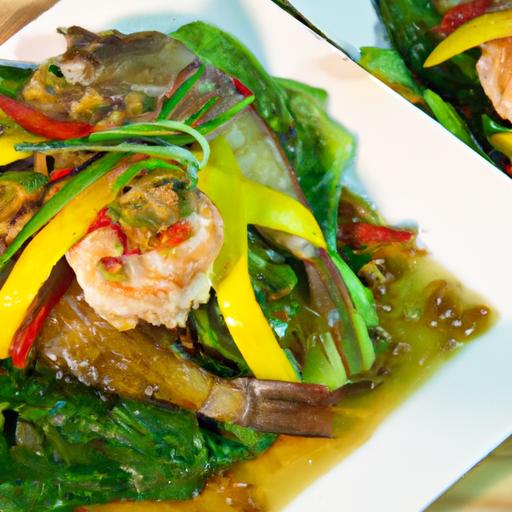

In the vibrant tapestry of Vietnamese cuisine, few dishes command as much passion and intrigue as Cha Ca la Vong. More than just a meal, this fiery fish feast is a sensory journey that unravels centuries of tradition, culture, and culinary brilliance. From the sizzle of turmeric-marinated fish dancing in a sizzling skillet to the fragrant wafts of dill and roasted peanuts, cha Ca La Vong invites food lovers to experience Hanoi’s spirited street-food heritage like never before. Join us as we dive deep into the origins, flavors, and rituals behind Vietnam’s iconic Cha Ca La Vong-where every bite tells a story of history, heat, and heartfelt party.
Cha Ca La Vong,vietnam’s fiery fish feast,holds a treasured place in Hanoi’s bustling culinary tapestry. This iconic dish is more than just a meal-it’s an immersive sensory journey that captures centuries of tradition, urban charm, and aromatic vibrancy. Originating from a small street-side eatery established in the 19th century,Cha Ca La Vong has become synonymous with convivial dining and aromatic allure,centered around succulent turmeric-marinated fish,sizzling atop a charcoal stove,and garnished with fresh dill and crunchy peanuts. Each bite delivers a symphony of textures and flavors that feels both nostalgic and exhilarating, inviting home cooks to master this Vietnamese classic with confidence and joy.
Prep and Cook Time
- Planning: 20 minutes
- Cooking: 15 minutes
- Total Time: 35 minutes
Yield
Serves 3-4 people generously
Difficulty Level
Medium – perfect for adventurous cooks eager to refine authentic Vietnamese flavors
Essential Ingredients That Bring cha Ca La Vong to Life
- 500g firm white fish fillets (preferably snakehead or catfish, cut into bite-sized pieces)
- 3 tablespoons turmeric powder
- 2 tablespoons fish sauce (use high-quality Vietnamese fish sauce)
- 1 teaspoon sugar
- 1 teaspoon freshly ground black pepper
- 3 stalks fresh dill, roughly chopped (plus extra for garnish)
- 3 tablespoons vegetable oil (or peanut oil for nutty depth)
- 2 cloves garlic, minced
- 1 small shallot, finely sliced
- Handful of roasted peanuts, crushed for garnish
- Rice vermicelli noodles, cooked according to package instructions (for serving)
- Fresh herbs: mint and cilantro (optional side garnish)
- Lime wedges, for squeezing
Mastering the Art of Preparing Cha Ca La Vong at Home
- Marinate the fish: In a bowl, mix turmeric powder, fish sauce, sugar, and black pepper.Add the fish pieces and gently toss to coat evenly. Let marinate for at least 20 minutes-this step infuses the vibrant golden hue and deep flavor.
- Prepare the herb base: Heat 2 tablespoons of vegetable oil in a large skillet over medium heat. Sauté garlic and shallot until fragrant and translucent, approximately 2-3 minutes. Add half the chopped dill and stir briefly.
- Sear the fish: Increase heat to medium-high, add marinated fish pieces gently to the skillet. Sauté for about 5-7 minutes, turning carefully so each side sears without breaking apart. The fish should develop a light, crusty surface.
- Add the remaining dill: Toss the rest of the fresh dill on top of the fish and reduce heat to low. Let the fish cook in the warm herbed oil for 2-3 minutes to marry the flavors.
- Final touches: Sprinkle crushed roasted peanuts over the fish just before serving. optionally, garnish with extra fresh herbs and lime wedges for an added zing.
Tips for Success
- Fish choice matters: Choose firm, white-fleshed fish like snakehead, catfish, or basa that hold up well to sautéing without flaking apart.
- Turmeric authenticity: Use high-quality, shining turmeric powder for that signature golden colour and earthy aroma.
- Balancing flavors: Taste your marinade and adjust fish sauce or sugar as needed-it should be savory yet subtly sweet.
- Hands-off frying: Avoid frequent stirring to allow caramelization. Flip gently using a spatula or tongs.
- Make ahead: Marinate fish up to 2 hours in advance for deeper flavor infusion.
Serving Suggestions
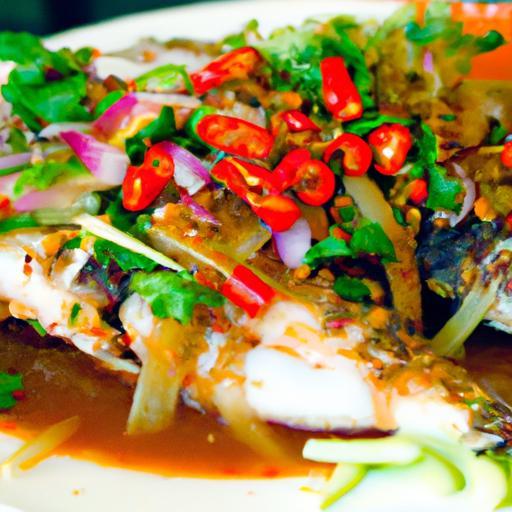
Cha Ca La Vong is traditionally served sizzling at the table atop a portable burner or cast-iron pan, inviting communal enjoyment.Present over a bed of perfectly cooked rice vermicelli noodles, garnished with fresh herbs like mint and cilantro, crunchy roasted peanuts, and a wedge of lime for a bright finish. For an authentic experience, accompany with a side bowl of nuoc cham dipping sauce, balancing salty, sweet, sour, and spicy notes that elevate every mouthful.
Don’t forget to capture the vibrant golden hues and fresh verdant dill swirling around tender, fiery fish – an Instagram-worthy moment with the Cha Ca La Vong filament shimmering in the pan.
| Nutrient | Per Serving |
|---|---|
| Calories | 350 kcal |
| Protein | 38 g |
| Carbohydrates | 10 g |
| Fat | 15 g |

For enthusiasts looking to savor authentic experiences beyond the home kitchen, Hanoi’s Old Quarter is dotted with legendary establishments known for their mastery of Cha Ca La Vong. One highly recommended spot is the original Cha Ca La Vong restaurant near the West Lake, where tradition steeps each sizzling skillet in historic excellence.
To dive deeper into Vietnamese culinary traditions and other iconic recipes, explore our related article on Vietnamese Pho: aromatic Noodle Soup Secrets.
Q&A
Q&A: cha Ca La Vong - Vietnam’s Fiery Fish feast Unveiled
Q1: What is Cha Ca La Vong,and why is it so famous in Vietnam?
A1: Cha Ca La Vong is more than just a dish - it’s a historic culinary treasure from Hanoi that brings together sizzling aromas,lively textures,and the vibrant spirit of Vietnamese street food culture. Originating in the Old Quarter, this fiery fish feast has captivated locals and visitors alike with its signature blend of turmeric-marinated fish, fresh herbs, and a dramatic tabletop grilling experience.
Q2: What kind of fish is traditionally used in Cha Ca La Vong?
A2: The star of Cha Ca La Vong is usually fresh white fish, frequently enough snakehead fish or catfish, prized for their mild flavor and firm, flaky texture. These varieties soak up the turmeric and spices beautifully while holding their shape when grilled over a charcoal flame. The fish’s delicate tenderness pairs perfectly with the dish’s fragrant herbs and dipping sauces.
Q3: How is Cha Ca La vong prepared and served?
A3: Preparation is an art form. Thin fillets of fish are marinated in a yellow-hued mix of turmeric, garlic, and sometiems shrimp paste (without any animal-based products beyond fish), then quickly grilled over a small, sizzling charcoal brazier right at your table. Diners add fresh dill and spring onions tossed in hot oil, creating a dazzling aroma that fills the air. It’s served alongside vermicelli noodles, chopped peanuts, chili, and a tangy dipping sauce – allowing you to assemble each mouthful as you go.
Q4: What makes the experience of eating Cha Ca La Vong unique?
A4: Eating Cha Ca La Vong is an interactive, communal affair. You become part of the cooking ritual, managing the grill’s heat, flipping fish and herbs to achieve that perfect sear. The crackling sound of charcoal,the golden glow of turmeric-coated fish,and the mingling scents of dill,garlic,and chili all engage your senses fully.It’s street food theater as much as it is a meal,inviting all to savor the ancient flavors of Hanoi in real time.
Q5: Are there vegetarian alternatives inspired by Cha Ca La Vong?
A5: While the authentic dish centers on fish, creative chefs sometimes experiment with marinating tofu or tempeh in turmeric and garlic, then grilling them similarly with herbs. Though it won’t replicate the exact flavor and texture of Cha Ca La Vong, these plant-based variations capture the essence of the dish – the bold turmeric spice, the lively grilling, and the fresh herbaceous notes – offering a vibrant, meat-free homage to the classic.
Q6: What kind of sauces and accompaniments typically accompany Cha Ca La Vong?
A6: The dish is perfectly balanced by a dipping sauce made from fish sauce, lime juice, garlic, sugar, and fresh chili – delivering a harmonious blend of salty, sour, sweet, and spicy flavors. Alongside, vermicelli noodles provide a cool and comforting contrast, while roasted peanuts add delightful crunch. Fresh herbs like mint and perilla complete the ensemble, each bite bursting with layered complexity.
Q7: How has Cha Ca La Vong influenced Vietnamese culinary culture?
A7: As one of Hanoi’s iconic dishes, Cha Ca La Vong embodies the city’s culinary ethos – simplicity elevated by technique and freshness. It stands as a symbol of family tradition passed down through generations and has inspired countless chefs and food lovers to explore the magic of combining fire, fish, and fragrant herbs. More than a recipe, it’s a vibrant cultural expression and an invitation to experience authentic Vietnamese gastronomy at its fiery best.
In Summary
As the final sizzle fades and the fragrant layers of turmeric and dill settle into memory, Cha Ca La Vong remains more than just a dish-it is indeed a vibrant chapter in Vietnam’s culinary story. This fiery fish feast, with its rich history and captivating flavors, invites both locals and travelers to gather around the pan, sharing warmth, culture, and a taste that lingers long after the meal ends. Through each bite, Cha Ca La vong continues to unveil the soul of Hanoi’s bustling streets and the timeless artistry of Vietnamese cuisine, promising an unforgettable journey for every palate brave enough to embrace its smoky, savory allure.