
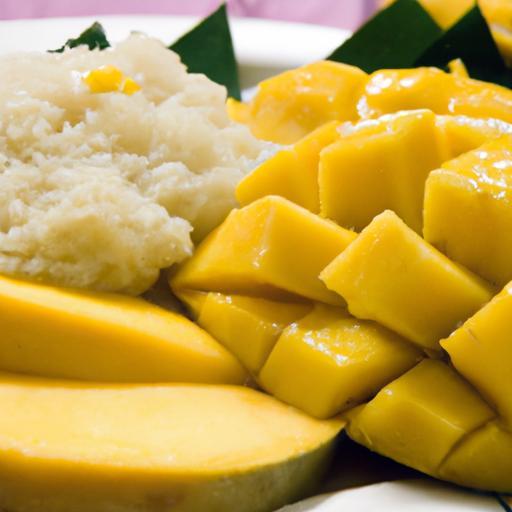
Hidden beneath the vibrant skies of thailand lies a dessert that perfectly captures the essence of the tropics-a harmonious blend of sweet, creamy, adn fragrant flavors known as Mango Sticky Rice. This beloved treat, or khao niao mamuang as locals call it, is more than just a dish; it’s a cultural icon that celebrates the bounty of Thailand’s lush mango orchards and centuries-old culinary traditions. In this article,we’ll peel back the layers of this simple yet exquisite dessert,uncovering its history,ingredients,and the special place it holds in Thai hearts around the world. Prepare to embark on a delicious journey as we unveil the magic behind Thailand’s sweet tropical delight.
The Origins and Cultural Importance of Mango Sticky rice in Thai Traditions
Mango sticky rice is more than just a dessert; it is a celebration of Thailand’s rich cultural heritage and tropical bounty. Rooted in centuries-old traditions, this iconic sweet dish combines the delicate fragrance of glutinous sticky rice with the luscious vibrancy of perfectly ripened mangoes. Originally enjoyed during the Thai New Year (Songkran) and the summer harvest season, mango sticky rice symbolizes abundance, prosperity, and the joyous arrival of mango season.Families gather to savor this treat, often sharing stories and laughter, creating connections grounded in both taste and tradition.
The harmonious balance between the creamy coconut-infused sticky rice and the natural sweetness of mango epitomizes Thailand’s culinary artistry. In many ways, mango sticky rice embodies the Thai ideology of combining simple ingredients into a sublime sensory experience, with each component highlighting the other’s qualities.This dessert invites you to immerse yourself in a sensory journey - from the texture of each bite to the tropical aromas that evoke warm evenings by the countryside.
The Art of Perfecting Sticky Rice and Selecting the Juiciest Mangoes
Mango sticky rice starts with mastering the essential base: sticky rice. Choosing authentic Thai glutinous rice is critical, as it has a unique chewiness and a slightly nutty flavor that balances the sweetness of coconut milk. The rice must be soaked for several hours – ideally overnight - to soften the grains and ensure the perfect tenderness after steaming.
Steaming, rather than boiling, preserves the rice’s texture, allowing it to remain sticky yet fluffy. Coconut milk mixed with sugar and a pinch of salt infuses the rice with creamy sweetness, transforming plain grains into an indulgent layer of flavor.
Equally vital is selecting ripe mangoes. The varieties Nam Dok Mai and Keo Savoy are prized for their buttery texture and vibrant golden-yellow flesh. When ripe, the mango should yield slightly to gentle pressure, signaling juiciness and a perfect balance between tartness and sweetness. Avoid mangoes that are overly soft, bruised, or have blemishes to ensure your dessert is both visually stunning and deliciously fresh.
Step-by-Step Guide to Crafting Authentic Mango Sticky Rice at Home
Recreating mango sticky rice at home is rewarding and surprisingly simple with the right technique.Follow this step-by-step guide to craft the quintessential Thai dessert that delights every palate.
Prep and Cook Time
- Prep Time: 15 minutes (plus 4-6 hours soaking time)
- Cook Time: 30 minutes
- Total Time: Approximately 5 hours (includes soaking)
Yield
Serves 4 generous portions
Difficulty Level
Medium – requires careful soaking and steaming but easy to master with attention to detail
Ingredients
- 1 cup Thai glutinous sticky rice (soaked 4-6 hours or overnight)
- 1 1/4 cups full-fat coconut milk
- 1/3 cup granulated sugar
- 1/4 tsp fine sea salt
- 2 ripe mangoes (nam Dok Mai or Keo Savoy recommended)
- 1 tbsp toasted sesame seeds or mung beans (optional garnish)
- 1 tbsp coconut cream (optional, for drizzling)
Instructions
- Soak the sticky rice: Rinse the glutinous rice under cold water until water runs clear. Soak the rice in plenty of water for at least 4-6 hours or overnight for best results.
- Steam the rice: drain the soaked rice thoroughly. Line a bamboo steamer or a steaming basket with cheesecloth, then spread the rice evenly. Steam over boiling water for 20-25 minutes until the rice is tender and translucent, stirring halfway to cook evenly.
- Prepare the coconut sauce: While the rice steams, combine coconut milk, sugar, and salt in a saucepan. Warm on low heat, stirring gently until the sugar dissolves fully-do not boil.
- Mix sticky rice with coconut milk: Transfer the steamed rice into a mixing bowl. Pour about two-thirds of the warm coconut milk mixture over the rice and gently fold in until fully absorbed. Cover and let the rice rest for 15-20 minutes to absorb flavors.
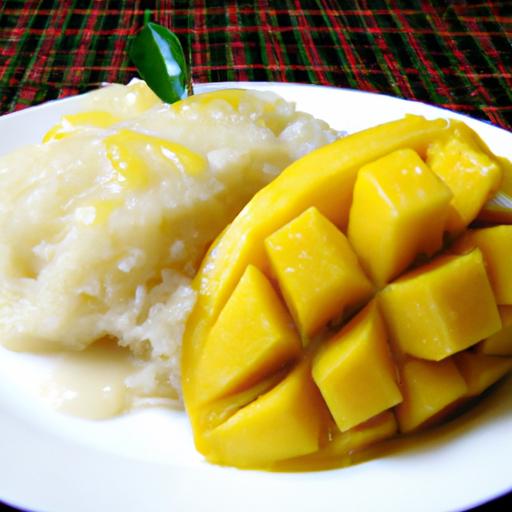
- Slice the mangoes: Peel the mangoes carefully.Slice lengthwise along the pit to create elegant,thick slices. Arrange on serving plates.
- Assemble the dessert: Plate a generous mound of sticky rice alongside the mango slices. Drizzle the remaining coconut sauce over the rice and mango. For added texture, sprinkle toasted sesame seeds or crunchy mung beans on top.
- Optional finishing touch: Drizzle a small spoonful of rich coconut cream over the sticky rice for an extra layer of indulgence.
Chef’s Notes: Tips for Success
- Rice soaking time: Longer soaking results in juicier, more tender grains. Avoid shortcuts for best texture.
- Steaming method: Maintain a steady steam but avoid excess water dripping onto rice, which can make it soggy.
- Sugar adjustment: Customize sweetness to your preference. Use palm sugar for a more traditional flavor.
- Mango ripeness: Use mangoes that are perfectly ripe but firm enough to hold their shape when sliced.
- Make-ahead: Coconut sticky rice can be made a few hours ahead and gently reheated by steaming or microwaving wrapped in damp paper towel.
- Variations: For a nutty twist, sprinkle crushed roasted peanuts rather of sesame seeds.
Pairing and Serving Suggestions to Elevate Your Tropical Dessert Experience
The vibrant flavors and textures of mango sticky rice invite playful pairings and elegant presentations. Serve this refreshing dessert in small bowls or on banana leaves for an authentic Thai touch. Garnish with a few mint leaves or edible flowers for visual appeal and fresh contrast.
Complement the sweetness with a lightly brewed jasmine or green tea that refreshes the palate between each bite. For an added sensory delight, pair the dish with coconut ice cream or a cold drizzle of palm sugar syrup to accentuate tropical layers.
This dessert also shines as a charming finale for dinner parties, bringing the warmth of Thai hospitality right to your table.Sharing mango sticky rice captures a sense of community and celebration-transforming any meal into a memorable experience.
| Nutrient | Per Serving |
|---|---|
| Calories | 350 kcal |
| Protein | 4 g |
| Carbohydrates | 58 g |
| Fat | 9 g |

For deeper insights and variations on tropical desserts,check out our comprehensive guide to Thai-inspired sweets. To explore the nutritional science behind sticky rice, visit Healthline’s glutinous rice benefits article.
Q&A
Q&A: Mango Sticky Rice – Thailand’s Sweet Tropical Delight Unveiled
Q1: What is Mango Sticky Rice and why is it so beloved in Thailand?
A1: Mango Sticky Rice, or Khao Niew Mamuang, is a luscious Thai dessert that pairs ripe, juicy mango slices with sweet, creamy coconut-infused sticky rice.It’s beloved for its perfect balance of flavors and textures-fragrant coconut milk-soaked rice,tender mango,and a sprinkle of toasted mung beans or sesame seeds for crunch. This harmonious marriage captures the essence of Thailand’s tropical bounty and culinary artistry.
Q2: How is the sticky rice prepared to achieve its signature texture?
A2: The sticky rice used in this dessert is glutinous rice, which is soaked for several hours to soften the grains before being steamed gently to a tender, chewy perfection. It’s then lovingly mixed with warm, fragrant coconut milk sweetened with palm sugar, allowing the rice to absorb all the rich flavors and develop that melt-in-your-mouth quality.
Q3: What type of mangoes are ideal for Mango Sticky Rice?
A3: The best mangoes for this dessert are ripe, fragrant varieties with vibrant golden-yellow flesh, such as the Nam Dok Mai or Keo Savoy mangoes. These mangoes are sweet, juicy, and slightly creamy, offering the perfect contrast to the rich coconut sticky rice.
Q4: Can Mango Sticky Rice be enjoyed year-round, or is it seasonal?
A4: While mangoes are seasonal fruits typically harvesting during the hot Thai summer months (March to June), sticky rice and coconut milk are staples available year-round. For the freshest and moast authentic flavor experience, it’s best enjoyed in season when mangoes are at their peak sweetness and aroma.
Q5: Are there any traditional toppings or variations to Mango Sticky Rice?
A5: Traditionally, Mango Sticky Rice is topped with a drizzle of thick coconut cream and a handful of crunchy, toasted mung beans or sesame seeds. Some variations incorporate a sprinkle of shredded coconut or tiny salted mung beans that add a subtle savory note, enhancing the dish’s complexity without overpowering its sweet harmony.
Q6: How does Mango Sticky Rice reflect Thai culture and culinary philosophy?
A6: This dessert epitomizes Thailand’s approach to food-celebrating nature’s bounty with simple, fresh ingredients combined in expertly balanced ways. It showcases the tropical flavors, textures, and colors of the region, while expressing the Thai ideal of harmony and respect for natural sweetness and creaminess. Mango Sticky Rice is not just a treat; it’s a cultural symbol of sweetness, hospitality, and joyful celebration.
Q7: Can Mango Sticky rice be adapted for those with dietary restrictions?
A7: Absolutely! Mango Sticky Rice is naturally gluten-free and vegetarian. for those who prefer vegan versions, it already fits the bill, as the rich creaminess comes entirely from coconut milk-no dairy needed. The dessert’s simplicity allows for easy customization with different toppings, such as chopped nuts or seeds, to suit various dietary needs.
Q8: What would be the best way to enjoy Mango Sticky Rice for first-timers?
A8: For those new to Mango Sticky Rice,serve it slightly warm or at room temperature. Scoop a generous spoonful of sticky rice alongside ripe mango slices, then drizzle with the coconut cream topping. Take a bite that blends the rice’s chewy sweetness with the mango’s juicy freshness, finishing with the subtle crunch from toasted seeds. This sensory journey will reveal why it’s one of Thailand’s most beloved tropical delights.
Insights and Conclusions
as the sun sets over Thailand’s vibrant landscape, the sweet aroma of mango sticky rice lingers in the air-a perfect harmony of creamy coconut, tender mango, and glutinous rice that tells a story of tradition, culture, and tropical bliss. This iconic dessert is more than just a dish; it is an invitation to experience the heart of thai hospitality and the island’s natural bounty, one luscious bite at a time. whether savored from a bustling street market or a serene beachside table,mango sticky rice continues to enchant palates worldwide,proving that some sweet treasures are truly timeless. So next time you crave a taste of paradise, remember: a spoonful of this golden delight is never far away.