
Step into the heart of moroccan kitchens with the irresistible allure of Ghoriba, a traditional sweet treat that has delighted generations with its delicate crumb and subtle flavors. These charming cookies, often kissed by the warmth of almond or coconut, offer more than just a bite-they tell a story of heritage, festivity, and the timeless art of hand-crafted confections. In this article, we will journey through the origins of Ghoriba, explore the secrets behind its tender texture, and share a tasty recipe that brings this beloved Moroccan delight to your own table. Whether you’re a seasoned baker or a curious foodie, prepare to discover how these simple ingredients transform into a comforting taste of Morocco’s rich culinary tapestry.
Exploring the Origins and Cultural Significance of Ghoriba
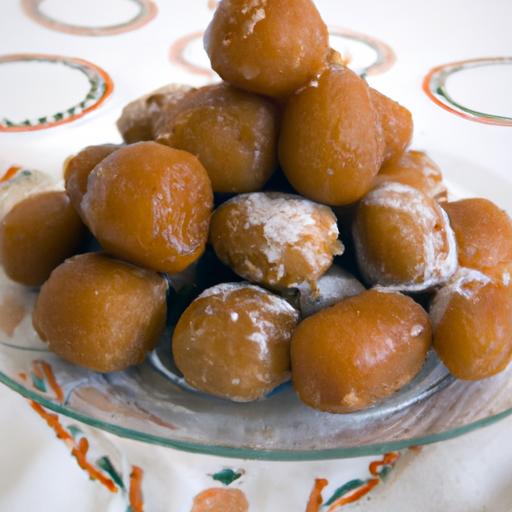
Delicious Ghoriba Recipe transports you to the heart of Morocco through a humble yet captivating sweet treat that has been cherished for centuries. This traditional cookie, often enjoyed during festive occasions like Eid or family gatherings, embodies the warmth of Moroccan hospitality and a legacy of culinary craftsmanship. Originating from Moroccan kitchens where simple ingredients transform into magic, ghoriba is renowned for its tender crumb and delicate crispness-traits that make it a staple in every Moroccan home.
Beyond being a delightful dessert, Ghoriba carries cultural symbolism, representing togetherness and celebration.its variations, particularly those made with almonds or coconut, showcase the diversity within moroccan regions and families, each adding their distinct touch. Exploring this recipe provides not only a taste experience but also a glimpse into Morocco’s rich culinary history.
Essential Ingredients That Bring Authentic Moroccan Flavors to Life
To recreate an authentic Delicious Ghoriba Recipe, every ingredient should be chosen carefully for its quality and flavor contribution. The core components include fine all-purpose flour, powdered sugar for a balanced sweetness, and fragrant almond powder that lends the cookies their iconic nuttiness. adding aromatic orange blossom water infuses a subtle floral note, instantly transporting your senses to moroccan souks filled with spices and perfumes.
Butter or vegetable oil adds richness while smoothening the texture, and a pinch of baking powder ensures the cookies develop a gentle lift without losing their characteristic melt-in-the-mouth quality. These seemingly simple ingredients come together to create a symphony of flavor and texture typical of this treasured Moroccan sweet.
Prep and Cook Time
- Preparation Time: 20 minutes
- Cooking Time: 15 minutes
- Total Time: 35 minutes
Yield
Approximately 24 small,bite-sized cookies
Difficulty Level
Easy – perfect for novice bakers seeking an exotic yet approachable treat
Ingredients
- 1 cup all-purpose flour,sifted
- 1 cup almond powder (finely ground blanched almonds)
- 3/4 cup powdered sugar
- 1/2 cup unsalted butter,softened
- 1 teaspoon baking powder
- 2 tablespoons orange blossom water
- 1/4 teaspoon salt
- Optional: Powdered sugar,for dusting
Step by Step Guide to Perfectly Crispy and Melt-in-Your-Mouth Ghoriba
- Preheat your oven to 350°F (175°C). Line a baking sheet with parchment paper.
- Cream the butter and powdered sugar in a large mixing bowl until smooth and fluffy. This step is key to a tender cookie base.
- Add the orange blossom water carefully and continue mixing until fully incorporated, releasing a fragrant aroma.
- Combine the sifted flour, almond powder, baking powder, and salt in a separate bowl. Gradually add this dry mix to the wet ingredients, folding gently until a soft dough forms. Avoid overmixing to keep the texture light.
- Shape the dough into walnut-sized balls and place them on your prepared baking sheet, spacing at least 2 inches apart to allow spreading.
- Optional: Lightly roll each ball in powdered sugar before placing it on the sheet for an extra crisp shell and pretty cracked surface.
- Bake for 12-15 minutes or until the bottoms and edges turn a delicate golden brown. The cookies will remain pale on top but develop subtle fractures.
- Cool the Ghoriba directly on the baking sheet for 10 minutes before transferring to a wire rack to cool completely. This resting prevents breakage and allows flavors to settle.
Tips and Variations for Customizing your Ghoriba Experience
- Almond substitutions: use a combination of almond and coconut powders for a tropical twist, or experiment with hazelnut powder to deepen the flavor.
- Sweeteners: swap powdered sugar with superfine caster sugar if preferred; just note this might alter texture slightly.
- Oil option: Replace butter with aromatic olive oil for a subtle savory richness that’s delightfully unexpected.
- Make-ahead advice: Dough can be refrigerated for up to 24 hours, allowing flavors to meld and simplifying your baking day.
- Serving temperature: These cookies are best enjoyed at room temperature to fully appreciate their crisp exterior and chewy, tender center.
- Decoration: Toasted almond slivers or rose petals pressed gently on top before baking add an authentic and elegant Moroccan touch.
- Troubleshooting: If your Ghoriba spread too much in the oven, chill the dough for 20 minutes before baking to help retain shape.
Serving Suggestions
Serve these Moroccan delights alongside a steaming cup of mint tea or rich spiced coffee to create an authentic Moroccan tea experience. Arrange the Ghoriba on a decorative platter and garnish with orange zest curls or crushed pistachios for color contrast. Their sweet, fragrant nature makes them ideal at the end of a meal or during a mid-afternoon gathering.
For festive presentations, pair Ghoriba with dried fruit and nut platters, or scatter edible rose petals for an enchanting display. This visual feast will complement the delicate texture and bring out the cultural roots of your Delicious Ghoriba Recipe.

| Nutrient | Per Serving (1 Cookie) |
|---|---|
| Calories | 110 kcal |
| Protein | 2 g |
| Carbohydrates | 12 g |
| Fat | 6 g |
Looking to explore more Moroccan desserts? Check out our Seffa Recipe: Sweet Couscous Delight, a perfect companion dish full of contrasting textures and flavors.
For deeper past insight and more traditional Moroccan recipes, visit Britannica’s Moroccan Cuisine Overview.
Q&A
Q&A: Delicious Ghoriba Recipe - Traditional moroccan Sweet Treats
Q1: What exactly is Ghoriba, and why is it such a beloved treat in Morocco?
A1: Ghoriba is a traditional Moroccan cookie that captures the heart with its delicate crumbly texture and subtly sweet flavor. Often made from ingredients like almond flour, sesame seeds, or coconut, these little cookies are not just desserts-they are a cultural symbol, commonly enjoyed with mint tea during celebrations and family gatherings. their simplicity and rich heritage make them an enduring favorite across Morocco.
Q2: What are the key ingredients that give Ghoriba its unique flavor and texture?
A2: The magic of Ghoriba lies in its few but carefully chosen ingredients: almond or sesame flour for a nutty base, powdered sugar for sweetness, a hint of orange blossom water or rose water for a floral aroma, and vegetable oil or butter for richness. Together, they create that iconic crumbly texture that melts in your mouth, balanced with delicate sweetness and fragrant notes.
Q3: How does the use of orange blossom water or rose water enhance the ghoriba experience?
A3: Orange blossom water and rose water are traditional Moroccan flavorings that add a subtle yet enchanting floral essence to Ghoriba. These waters evoke the scents of Moroccan gardens and marketplaces, lending the cookies a refreshing aroma that complements their nutty sweetness, transporting you to the heart of Moroccan culture with every bite.
Q4: Are there different varieties of Ghoriba, or is it a single type of cookie?
A4: Ghoriba comes in delightful varieties! Some popular styles include Ghoriba Bahla (light, crumbly cookies made with semolina), Ghoriba with sesame seeds, and almond-based Ghoriba. Each variation highlights different traditional ingredients but maintains that signature melt-in-the-mouth texture.The diversity showcases both regional tastes and family secrets passed down through generations.
Q5: What tips can you share to ensure Ghoriba cookies turn out perfectly crumbly and not too dense?
A5: the secret to perfect Ghoriba is in gentle handling and balance. Use fine almond or semolina flour to ensure a tender crumb. Avoid overmixing the dough; mix just until ingredients combine to keep the texture light. Also, resting the dough before baking helps the flavors meld and the flour hydrate for softer cookies. Lastly, baking at a moderate temperature until the edges just begin to turn golden keeps the cookies tender inside.
Q6: Can Ghoriba be made gluten-free?
A6: absolutely! Many traditional Ghoriba recipes naturally use almond flour or semolina, but almond flour Ghoriba are perfect for gluten-free diets since they contain no wheat. Just be sure to use certified gluten-free ingredients to avoid cross-contamination. These naturally gluten-free variations are enjoyed by many who seek both authenticity and dietary considerations.
Q7: How are Ghoriba typically served and enjoyed in Moroccan culture?
A7: Ghoriba is most often enjoyed alongside a cup of steaming mint tea, a quintessential Moroccan beverage. The warm, aromatic tea perfectly complements the crumbly sweetness of the cookies, creating a balanced, comforting ritual during afternoon breaks or family visits. Ghoriba is also popular during special occasions like Eid and weddings, symbolizing hospitality and joy.
Q8: Is it possible to add a personal twist to the traditional Ghoriba recipe?
A8: Definitely! While keeping the core ingredients intact, you can infuse your Ghoriba with creative touches-like a sprinkle of cinnamon or nutmeg, a handful of chopped nuts, or even a dusting of powdered sugar or cocoa powder once baked. These subtle twists honor tradition while allowing you to tailor the cookies to your own palate, adding your unique signature to each batch.
Q9: What makes homemade Ghoriba better than store-bought versions?
A9: Homemade Ghoriba burst with fresh, natural flavors and aromas that ready-made cookies often lack.Baking them yourself allows control over ingredient quality,sweetness level,and texture,resulting in cookies that feel handcrafted and personal. Plus, the process itself connects you to centuries of Moroccan cookery tradition-making each cookie a piece of edible heritage.
Q10: Where can someone find authentic ingredients like orange blossom water or semolina to make Ghoriba at home?
A10: Authentic ingredients for Ghoriba can usually be found in Middle Eastern or North African grocery stores, as well as many specialty food markets and online retailers. Orange blossom water and rose water frequently enough come in small bottles in the spice or baking aisle, while semolina is labeled either as fine or coarse. Using authentic ingredients ensures your Ghoriba captures the true essence of Moroccan flavors.
In Retrospect
as the final sugar dusting settles and the warm aroma of freshly baked Ghoriba lingers in your kitchen, you’ve not only crafted a delightful Moroccan treat but also connected with centuries of rich culinary tradition. These tender, crumbly cookies are more than just sweets-they’re little edible stories, whispers of Moroccan culture, hospitality, and celebration. Whether enjoyed with a cup of mint tea or shared during special gatherings, Ghoriba invite you to taste history with every bite. So next time you seek a dessert that’s both simple and steeped in heritage,let this traditional recipe guide your hands-and your palate-on a flavorful journey to Morocco’s heart.