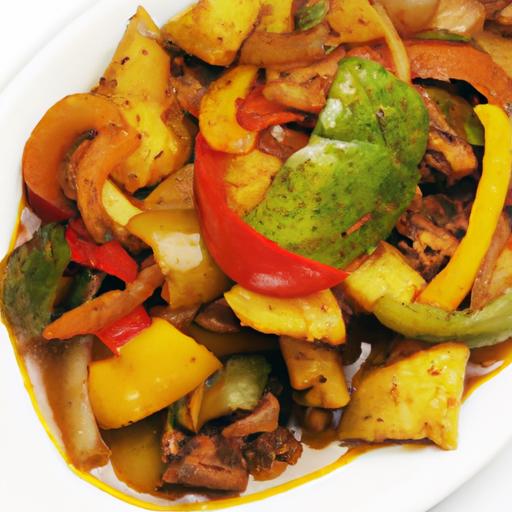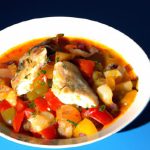

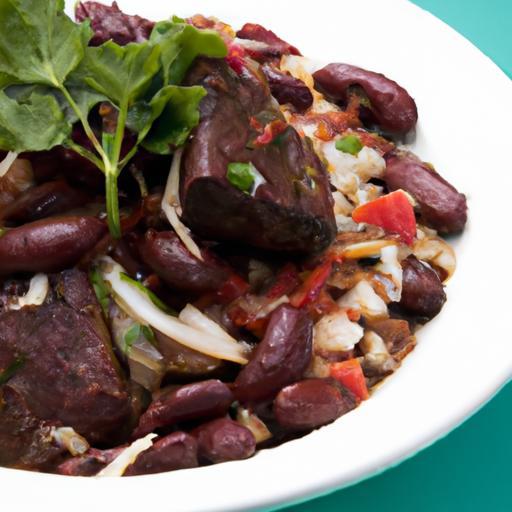
In the vibrant tapestry of Cuban cuisine, few dishes capture the heart and history of the island quite like Ropa Vieja. this beloved stew, whose name translates to “old clothes,” weaves together tender shredded beef, simmered to perfection in a rich, smoky tomato sauce infused with peppers, onions, and a blend of aromatic spices. Beyond its mouthwatering flavors lies a story steeped in tradition-a culinary tale passed down through generations that speaks of resilience, family gatherings, and cultural pride. Join us as we unravel the savory layers of Cuban Ropa Vieja, exploring its origins, ingredients, and the timeless rituals that make this dish much more than just a meal, but a flavorful festivity of Cuba itself.
The Rich History Behind Cuban Ropa Vieja and Its Cultural Significance
Savoring Cuban Ropa Vieja is more than just enjoying a classic dish; it’s a journey into the heart of Cuban culture and tradition. Originating from the Canary islands and embraced wholeheartedly in Cuba,this flavorful shredded beef stew mirrors the resilience and rich tapestry of the Cuban people.The name “Ropa Vieja,” meaning “old clothes,” reflects the rustic look of tender, shredded beef simmered with tomatoes, peppers, and spices, symbolizing humble origins transformed into a beloved national treasure. Through generations, this dish has represented family gatherings and celebrations, embodying a rich heritage passed down with love and pride.
Prep and Cook Time
- Preparation: 20 minutes
- Cooking: 2 hours 30 minutes
- Total Time: 2 hours 50 minutes
Yield
Serves 6 hearty portions
Difficulty Level
Medium – Requires some patience and layering of flavors
Key ingredients That Bring Authentic Ropa Vieja to Life
- 2 ½ lbs flank steak or chuck roast, trimmed
- 2 tablespoons olive oil
- 1 large onion, thinly sliced
- 1 large green bell pepper, julienned
- 1 large red bell pepper, julienned
- 4 cloves garlic, minced
- 1 (14 oz) can crushed tomatoes
- 1 cup beef broth
- 1/2 cup dry sherry or apple cider vinegar (for acidity)
- 1 teaspoon ground cumin
- 1 teaspoon dried oregano
- 1 bay leaf
- 1/4 teaspoon smoked paprika
- Salt and freshly ground black pepper, to taste
- 1/4 cup green olives, sliced (optional but traditional)
- fresh cilantro or parsley, chopped for garnish
mastering the Cooking Techniques for Perfectly Tender Shredded Beef
- Prepare the beef: Rinse and pat dry the flank steak. Season generously with salt, pepper, and cumin.
- Sear the meat: Heat olive oil in a large heavy-bottomed pot over medium-high heat. Brown the beef on all sides, about 4 minutes per side, to seal in juices-this step ensures rich flavor development.
- Simmer to tender perfection: Add the bay leaf, beef broth, and half of the crushed tomatoes. Reduce heat to low, cover, and simmer gently for about 2 hours or until the meat is fork-tender and shreddable. check occasionally to maintain a gentle simmer.
- shred the beef: Remove the meat from the pot,let it cool slightly,then shred finely using two forks or your hands for the best texture.
- Sauté the vegetables: In the same pot, add sliced onions, garlic, and both colored bell peppers. Sauté on medium heat until soft and translucent,about 6 minutes,stirring regularly to prevent sticking.
- Build the sauce: Return the shredded beef to the pot with sautéed vegetables. Stir in the remaining crushed tomatoes, green olives, oregano, smoked paprika, and sherry/apple cider vinegar. Simmer uncovered for 30 minutes to marry the flavors and thicken slightly.
- Adjust seasonings: Taste and add salt, pepper, or extra cumin if desired. Remove bay leaf before serving.
Top Tips for Serving and Pairing Cuban Ropa Vieja Like a Local
Cuban Ropa Vieja is traditionally served alongside fluffy white rice, which soaks up the savory sauce beautifully. For an authentic touch, pair it with black beans simmered with garlic and bay leaves, and a side of sweet fried plantains (tostones or maduros). Garnish with freshly chopped cilantro or parsley and a wedge of lime to brighten the dish. A refreshing Cuban mojito or simple sparkling water with lime makes an excellent beverage pairing to balance the richness. When plating, a colorful mix of peppers and olives shining atop the shredded beef creates a visually irresistible presentation that invites everyone to savor every bite.
Chef’s Notes: Tips for Success
- Choose the right cut: Flank steak or chuck roast work best as they become tender and shred easily after slow cooking.
- Slow and low is key: Resist rushing the simmering process. The long gentle heat breaks down connective tissues, resulting in tender, juicy beef.
- Make ahead: Ropa Vieja tastes even better the next day once the flavors have fully melded. Prepare in advance and simply reheat gently.
- Adjust acidity: If sherry is unavailable, replace it with apple cider vinegar or a splash of fresh lime juice for a bright pop.
- Go extra colorful: Adding red and green bell peppers helps enhance flavor and create a visually stunning dish that captures Cuban vibrancy.
- Vegetarian option: Substitute beef with jackfruit or mushrooms for a plant-based version inspired by traditional flavors but pork-free.
| Nutrient | Per Serving |
|---|---|
| Calories | 420 kcal |
| Protein | 38 g |
| Carbohydrates | 12 g |
| Fat | 22 g |

For more Cuban culinary inspiration, explore our guide on Classic cuban Black Beans Recipe. To understand the cultural backdrop of Cuban cooking, the Encyclopaedia Britannica on Cuban cuisine offers a comprehensive look at its diverse influences.
Q&A
Q&A: Savoring Cuban Ropa Vieja: A Flavorful Tradition unveiled
Q1: What is Ropa Vieja,and why is it considered a Cuban culinary treasure?
A1: Ropa Vieja,which translates to “old clothes,” is a beloved Cuban dish renowned for its tender,shredded beef simmered in a rich,smoky tomato-based sauce studded with vibrant peppers and aromatic spices. Its name evokes the dish’s appearance-strips of meat resembling tattered fabric. More than just a meal, it’s a flavorful symbol of Cuban heritage, reflecting a history of resilience and a passion for deeply satisfying, homestyle cooking.
Q2: How did Ropa Vieja become such an crucial dish in Cuban culture?
A2: Originating from the Canary Islands and evolving through Cuba’s unique cultural fusion, Ropa Vieja became a staple for families seeking nourishment without extravagance. The slow-simmering process allowed tougher cuts of beef to transform into tender, savory strands, creating a comforting meal that embodied resourcefulness. Over generations, it transcended humble beginnings to become a festive dish celebrating Cuban identity and the warmth of communal dining.
Q3: What are the key ingredients that define traditional Cuban Ropa Vieja?
A3: at the heart of Ropa Vieja is flank or skirt steak, slowly cooked until tender and then shredded. The meat simmers in a sauce bursting with crushed tomatoes, sautéed onions, sweet bell peppers, garlic, and a mix of spices like cumin, oregano, and bay leaves. A splash of olive oil enhances the richness, while a hint of smoky paprika adds depth. Each ingredient layers complexity, resulting in a harmonious and robust flavor.
Q4: Can you describe the cooking process that brings Ropa Vieja to life?
A4: The magic of Ropa vieja lies in its slow-cooked embrace. First, the beef is seared for a caramelized crust before joining a pot of simmering tomato sauce infused with vibrant vegetables and spices. The gentle, prolonged cooking breaks down connective tissue and melds flavors, allowing the meat to shred effortlessly. the shredded beef returns to the sauce,soaking up every savory drop-a culinary ritual that transforms raw ingredients into a soulful dish.
Q5: What traditional sides complement Ropa Vieja in a Cuban meal?
A5: Ropa Vieja often graces the table alongside fluffy white rice, which acts as the perfect canvas to soak up the luscious sauce. Black beans, slow-cooked and seasoned, add a creamy, hearty contrast. Fried plantains bring a sweet, caramelized element, while a fresh, tangy avocado salad can lighten the plate. Together, these sides create a balanced symphony of textures and tastes emblematic of Cuban comfort food.
Q6: how has Ropa Vieja evolved in modern Cuban cuisine or in kitchens around the world?
A6: While the core essence of Ropa Vieja remains intact, chefs and home cooks experiment with variations-such as incorporating different peppers for a subtle heat or blending in fresh herbs like cilantro for brightness. The dish also adapts well to different cooking methods, including slow cookers or pressure cookers for convenience without sacrificing flavor. This flexibility keeps Ropa Vieja vibrant and accessible, inviting new generations to savor its timeless appeal.
Q7: What makes Ropa Vieja a dish worth trying, even for those new to Cuban cuisine?
A7: Ropa Vieja offers an inviting introduction to Cuban flavors through its comforting textures and bold, layered taste.It embodies a story in every bite-of tradition, warmth, and culinary ingenuity. For newcomers, the dish showcases how simple ingredients, transformed by patience and care, can create a meal that feels like a celebration of life itself. It’s a flavorful journey steeped in cultural richness waiting to be experienced.
In Retrospect
As the rich aroma of simmered spices fades and the last forkful of tender shredded beef is savored,Cuban Ropa Vieja leaves more than a satisfied appetite-it offers a delicious glimpse into a culture steeped in history and heart. this flavorful tradition, passed down through generations, is not merely a dish but a story on a plate, inviting us to taste the resilience, warmth, and spirit of Cuba. Whether enjoyed at a bustling Havana table or recreated in your own kitchen, Ropa Vieja continues to unite people through its vibrant flavors and timeless heritage-a culinary journey well worth savoring time and again.