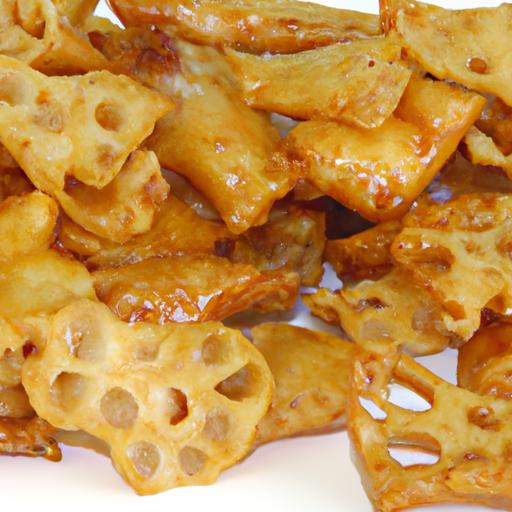

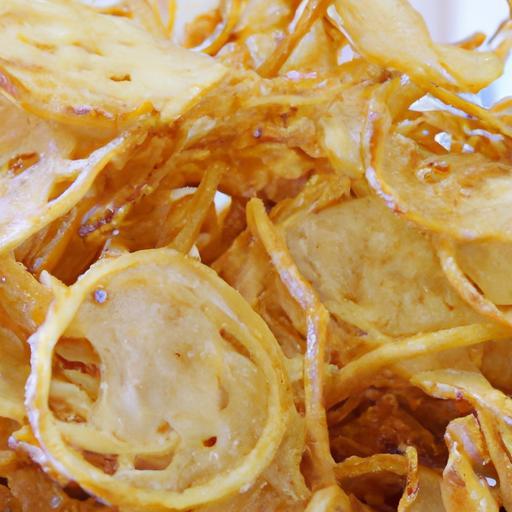
Beneath the surface of everyday snacking, a crispy revolution is quietly unfolding.Lotus root chips - once an obscure treat treasured in traditional Asian kitchens – are now captivating taste buds across the globe with their unique crunch and subtle, nutty flavor. As health-conscious consumers seek alternatives to conventional potato chips, this humble aquatic root is stepping into the spotlight, combining ancient heritage with modern appeal. In “Crunchy Delight: The Rise of Lotus Root Chips Uncovered,” we peel back the layers of history, culture, and culinary innovation that are fueling the surge of this crunchy sensation onto snack shelves everywhere.
The Origins and Cultural Importance of lotus Root Snacks
Crunchy Delight appetizers like lotus root chips carry centuries of cultural resonance across Asia. Traditionally enjoyed in countries such as Japan, China, and India, lotus root symbolizes purity and enlightenment due to the lotus flower’s sacred status. these crisply sliced tubers transform humble roots into a snack that has entertained entertainers, monks, and families alike. The snack’s emergence into Western culinary scenes marks a beautiful fusion of health and indulgence, bridging ancient traditions with modern palates.
In many Asian cultures, lotus root snacks are more than just food; they embody respect for nature’s bounty and mindfulness in eating. Historically, during festivals and ceremonies, lotus root preparations were revered for their symbolism and nourishing qualities, representing harmony and vitality. This deep cultural gratitude elevates every crunchy bite of lotus root chips beyond simple snacking to a timeless experience cherished worldwide.
Health Benefits That Make Lotus Root Chips a nutritional Superstar
Besides their crisp, eye-catching appearance, lotus root chips reward your body with a nutrition profile that justifies their rising popularity. Rich in dietary fiber, they aid digestion and promote satiety without excess calories, making the “crunchy delight” a guilt-free treat. Potassium, vitamin C, and vitamin B6 present in lotus root support heart health, immune function, and brain vitality.
Low in fat and naturally gluten-free, these chips suit a variety of diets, from vegan to keto-amiable (when cooked with the right oils). the antioxidant properties in lotus root also contribute to fighting oxidative stress and reducing inflammation. Whether baked or lightly fried, indulging in lotus root chips merges flavorful enjoyment with wholesome nourishment for body and mind.
Innovative Flavors and Cooking Techniques to Elevate Your Lotus Root Experience
To transform the classic lotus root chip into a crunchy delight, experimentation is key. Beyond the traditional salted or plain versions,layering flavors unlocks exciting possibilities:
- Umami Bomb: Toss chips with a sprinkle of smoked sea salt,toasted sesame seeds,and a dash of nutritional yeast for a savory explosion.
- Spice Infusion: Combine chili powder, cumin, and a pinch of smoked paprika for a smoky, spicy intensity.
- Sweet & Tangy: Lightly glaze baked chips with honey and a splash of lime juice, then dust with chili flakes for contrast.
Cooking technique plays a pivotal role in achieving that ideal crunch and flavor. Try thin, uniform slicing with a mandoline to maximize crispness. Air-frying or oven baking ensures a healthier, less oily chip while maintaining a satisfying texture. A brief soak in cold water before drying eliminates excess starch, preventing sogginess during cooking.
Where to Find the Best Lotus Root Chips and How to Enjoy Them at Home
Finding authentic crunchy delight lotus root chips is easier than you think.Specialty Asian markets often stock handcrafted lotus root snacks, sometiems offering artisanal, naturally flavored options.Online retailers and dedicated health food stores cater to the growing demand, providing diverse brands and flavors.
At home, embrace the rewarding process of creating fresh lotus root chips yourself. The beauty of homemade lies in customizing oil choices, seasoning blends, and cooking methods to suit your taste and dietary needs.Serve them alongside creamy avocado dips,tangy tamarind chutneys,or spicy hummus for a balanced snack platter that wows every guest.
Prep and Cook Time
- Readiness: 15 minutes
- cooking: 20 minutes
- Total Time: 35 minutes
Yield
Approximately 4 servings (about 2 cups chips per serving)
Difficulty Level
Easy
Ingredients
- 2 medium fresh lotus roots (about 1 lb), peeled
- 2 cups vegetable oil, for frying or as needed for baking spray
- 1 teaspoon sea salt, or to taste
- ½ teaspoon smoked paprika (optional)
- ½ teaspoon garlic powder (optional)
- 1 tablespoon rice vinegar (for soaking)
Instructions
- Slice the lotus root into thin, uniform 1/8-inch rounds using a mandoline or sharp knife for even cooking.
- soak the slices in a bowl of cold water mixed with rice vinegar for 10 minutes to remove excess starch and prevent discoloration.
- Drain and pat the lotus root slices completely dry with paper towels to ensure crispiness during cooking.
- For frying: Heat vegetable oil in a deep pan to 350°F (175°C). Fry slices in small batches until golden and crisp, about 2-3 minutes per batch. Use a slotted spoon to transfer chips to a paper towel-lined plate.
- For baking: Preheat oven to 400°F (205°C). Arrange slices in a single layer on a baking sheet lined with parchment paper. Lightly spray with oil and bake for 15-20 minutes, flipping halfway, until crispy and golden.
- Instantly season the hot chips with sea salt, smoked paprika, and garlic powder if using. Toss gently to distribute flavors evenly.
- cool completely on a wire rack to maintain crunch before serving or storing.
Tips for Success
- Uniform slicing is essential for even cooking-use a mandoline if possible.
- Do not overcrowd the pan when frying; small batches help maintain oil temperature and ensure crispness.
- Store leftover chips in an air-tight container with a silica packet or paper towel to absorb moisture.
- Try experimenting with flavored salts-lime zest, chili flakes, or truffle salt make excellent variations.
- For a healthier twist, try air-frying the lotus root slices at 370°F (188°C) for 15 minutes, shaking halfway.
Serving Suggestions
Serve your lotus root chips as a striking appetizer or snack alongside:
- Avocado-tahini dip garnished with fresh cilantro and lemon zest
- Spicy mango salsa for a refreshing contrast
- classic hummus drizzled with extra virgin olive oil and paprika
- Sprinkle with microgreens or edible flowers for a sophisticated presentation

| Nutrient | Per Serving |
|---|---|
| Calories | 150 kcal |
| Protein | 2 g |
| Carbohydrates | 25 g |
| Fat | 4 g |
for a deeper dive into healthy snack recipes, check our healthy snacking ideas for every day.For detailed nutritional insights on lotus root, visit the USDA Food Data Central.
Q&A
Q&A: Crunchy Delight – The Rise of Lotus Root Chips Uncovered
Q1: What exactly are lotus root chips, and why are they gaining popularity?
A1: Lotus root chips are thinly sliced, crispy snacks made from the lotus root-an aquatic plant revered for its crunchy texture and unique appearance, featuring natural holes that create a delightful lace-like pattern. Their rise in popularity stems from a perfect blend of taste, texture, and health benefits, making them an irresistible alternative to traditional chips. Their light crunch and subtly nutty flavor appeal to adventurous snackers seeking somthing both wholesome and exotic.
Q2: what makes lotus root chips different from other vegetable chips on the market?
A2: Beyond their visually striking pattern, lotus root chips combine a satisfying crunch with a slightly sweet, earthy undertone that differentiates them from more common chips. Unlike some vegetable chips, lotus root manages to stay crisp without being oily or heavy, thanks to its sturdy cellular structure. Nutritionally, it offers fiber, vitamin C, and various antioxidants, positioning it as a snack that nourishes as much as it delights.
Q3: How are lotus root chips typically prepared?
A3: The magic begins by carefully peeling and slicing fresh lotus root into thin, even slices. These slices are usually soaked in water briefly to remove starch, then dried before being fried or baked to achieve that coveted crunch. Some recipes season them with simple sea salt or sprinkle flavorful spices-things like smoked paprika,turmeric,or umami-rich mushroom powder-to enhance their natural complexity. The process respects the root’s delicate flavor while maximizing its crispiness.
Q4: Can lotus root chips fit into specific dietary lifestyles?
A4: Absolutely! Lotus root chips naturally align well with vegetarian, vegan, and gluten-free diets. They are plant-based, free from common allergens like gluten and dairy, and can be made with minimal added ingredients, allowing clean label lovers to indulge guilt-free. Their fiber content also supports digestion and wellness trends, making them a snack that health-conscious consumers can feel good about.
Q5: Are lotus root chips a traditional snack, or is their popularity a recent trend?
A5: While lotus root has been a culinary staple in various Asian cultures for centuries-used in soups, stir-fries, and desserts-the concept of turning it into chips is relatively modern and largely fueled by global snack innovation. The recent surge in demand reflects a broader fascination with exotic ingredients and artisanal snacks that combine cultural heritage with contemporary snacking desires for texture and flavor.
Q6: what are some creative ways to enjoy lotus root chips beyond snacking?
A6: Lotus root chips can be a versatile culinary tool. Use them as a crunchy garnish atop salads or grain bowls for an unexpectedly delightful texture contrast. They also work beautifully as a dipping vehicle for vibrant sauces like spicy mango chutney or creamy avocado salsa. For a sophisticated twist,layer them with creamy spreads or use them to scoop up vibrant plant-based pâtés. Their natural charm elevates any dish they accompany.
Q7: Where can one find lotus root chips? Are they easy to source?
A7: As interest grows, lotus root chips are increasingly appearing in gourmet markets, health food stores, and online retailers specializing in specialty snacks. While fresh lotus root may sometimes be confined to Asian grocery stores, the processed chips travel well and are becoming more mainstream. Home cooks inspired to make their own can source fresh lotus root from markets offering Asian produce and experiment with homemade batches.
Q8: What does the future hold for lotus root chips in the snack industry?
A8: The future looks crisp and bright! With the global snacking scene leaning toward plant-powered, nutrient-dense options, lotus root chips are poised to climb higher on the snack ladder. Expect exciting flavor fusions,innovative packaging,and creative crossovers-think lotus root crisps infused with exotic herbs,or paired in snack mixes with other crunchy superfoods. As consumers continue to seek texture variety and natural ingredients, lotus root chips will likely cement their status as a crunchy delight around the world.
To Wrap It up
As the humble lotus root steps into the spotlight, transforming from a traditional staple into a global snack sensation, its story reminds us that some of the most delightful culinary discoveries come from nature’s quiet corners. Lotus root chips, with their distinctive crunch and subtle sweetness, are not just a treat for the taste buds-they’re a bridge between cultures, history, and innovation. Whether you’re a seasoned foodie or a curious snacker, embracing this crunchy delight offers a fresh way to savor the unexpected. So next time you reach for a snack, consider the lotus root chip-a crisp testament to how ancient ingredients continue to captivate modern palates around the world.