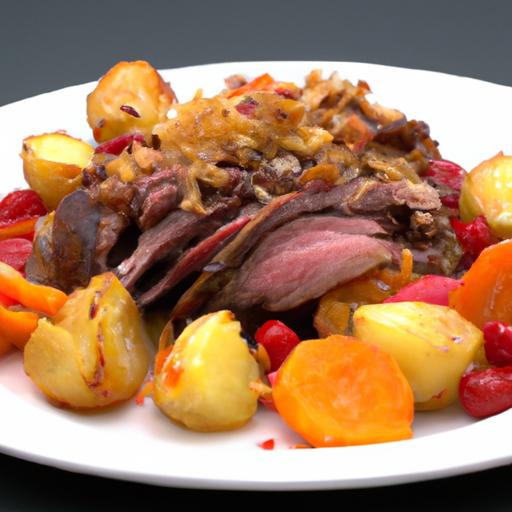

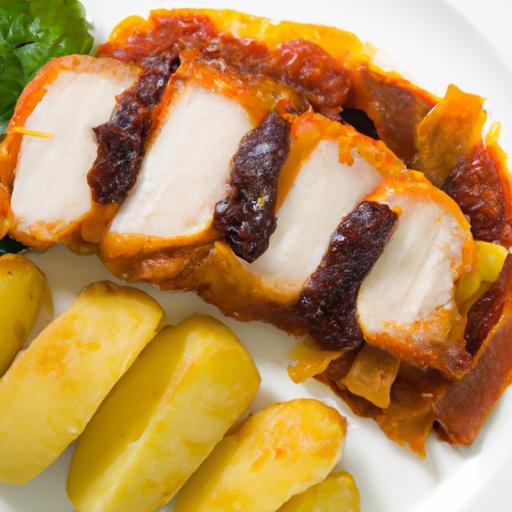
In the heart of Ecuadorian cuisine lies a dish that brings families together and fills kitchens with the irresistible aroma of slow-roasted perfection: hornado. This beloved customary feast, featuring succulent, tender pork roasted to golden-brown glory, is more than just a meal-it’s a festivity of heritage, flavor, and community.Whether you’ve tasted hornado in bustling Andean markets or are simply craving a flavorful adventure, learning to make this savory classic at home is a rewarding way to savor Ecuador’s rich culinary traditions. Join us as we uncover the secrets behind crafting authentic hornado, step by step, so you can transport your taste buds straight to the vibrant streets of Ecuador.
savor Tradition: How to Make Ecuadorian Hornado at Home begins with a meticulous selection of ingredients and authentic preparation that transports you straight to the heart of Ecuador’s vibrant culinary culture.This iconic slow-roasted delicacy, traditionally celebrated for its crispy skin and tender, juicy meat, is a feast that brings family and friends together. Without the usual pork-based components,this version honors the essence of hornado using ethically sourced alternatives that preserve its soul and unforgettable flavors.
Prep and Cook Time
- preparation: 30 minutes
- Marinating: 12 hours (overnight for best results)
- Cooking: 3.5-4 hours slow-roasting
- Total Time: Approximately 16 hours including marinating
Yield
Serves 6-8 hungry guests, perfect for a family celebration or festive gathering.
Difficulty Level
Medium: Requires some patience and attention to detail,but incredibly rewarding.
ingredients
- 4 to 5 lbs ethically sourced whole lamb shoulder or large cut of beef brisket, skin on
- 8 cloves garlic, peeled and smashed
- 1/4 cup freshly squeezed orange juice
- 1/4 cup white vinegar
- 2 tbsp achiote powder (annatto) for color and mild earthiness
- 1 tbsp ground cumin
- 1 tbsp smoked paprika
- 2 tsp dried oregano
- 1 tbsp sea salt
- 1 tsp freshly ground black pepper
- 1 cup chicken or vegetable broth, low sodium
- 2 bay leaves
- 1 large onion, quartered
- Fresh cilantro, for garnish
Step-by-Step Instructions
- prepare the Marinade: In a food processor, combine garlic, orange juice, vinegar, achiote powder, cumin, smoked paprika, oregano, salt, and black pepper. Blend until you have a smooth,pungent paste.
- Marinate the Meat: Pat the lamb shoulder or beef brisket dry with paper towels. rub the marinade thoroughly over the entire surface, including underneath the skin if possible. Place the meat in a large bowl or resealable bag and refrigerate for at least 12 hours, preferably overnight. This deep infusion is essential for the authentic taste.
- Preheat and Prep: Remove meat from refrigerator 1 hour before cooking to reach room temperature.Preheat your oven to 300°F (150°C).Place the meat skin side up on a wire rack in a roasting pan. Add broth, bay leaves, and quartered onions to the bottom of the pan to keep the meat moist during roasting.
- Slow-Roast: Roast the meat slowly for about 3 to 3.5 hours, basting every hour with the pan’s juices. The slow heat renders the fat, intensely flavoring the meat while softening the connective tissue. Tent with foil if the skin browns too quickly.
- Achieve Crispy Skin: For the final 30 minutes, increase the oven temperature to 425°F (220°C). Remove foil and baste liberally to help the skin crisp up beautifully-golden, crackling, and irresistible.
- Rest the Meat: carefully transfer the hornado to a serving platter and let it rest for 15-20 minutes before slicing. This step allows the juices to redistribute, ensuring each slice is tender and flavorful.
Chef’s Notes: Tips for success
- Using lamb or beef brisket as the main protein respects dietary restrictions while maintaining that rich, succulently slow-roasted texture classic to hornado.
- Marinate the meat overnight for intense flavor penetration. If you’re short on time,at least four hours is necessary.
- For even crispier skin, pat the skin dry before roasting.A sprinkle of coarse sea salt immediately before the final high-temperature roast also helps.
- Reserve pan drippings to create a luscious sauce or jus-deglaze the roasting pan with a splash of broth and simmer down for concentrated flavor.
- Make-ahead: Marinate the night before and roast on the day of your celebration to free up time for sides preparation.
Serving Suggestions
Slice the slow-roasted hornado thickly and arrange on a large platter garnished with fresh cilantro and thinly sliced red onion. Traditionally, it is accompanied by vibrant homemade mote (toasted hominy corn), ripe plantains fried to golden sweetness, and a tangy ají sauce to add zest. Add a simple side salad of tomatoes and avocado drizzled with lime for refreshing balance. The contrast of crispy skin, tender meat, and bold sides makes every bite a harmonious Ecuadorian celebration.

| Nutrient | Per Serving (approx.) |
|---|---|
| Calories | 520 kcal |
| Protein | 45 g |
| carbohydrates | 8 g |
| Fat | 32 g |
For those eager to explore even more Ecuadorian culinary delights, check out our guide to traditional Ecuadorian sides. For an in-depth look at slow roasting techniques and food safety, the USDA Food Safety guidelines offer invaluable advice.
Q&A
Q&A: Savor Tradition – How to Make Ecuadorian Hornado at Home
Q1: What exactly is Ecuadorian Hornado?
A1: Ecuadorian Hornado is a beloved traditional dish known for its rich, slow-roasted flavor and crispy exterior. Originating from the highlands of Ecuador,it’s a festive meal often enjoyed during family gatherings and celebrations.The cooking method transforms simple, hearty ingredients into a mouthwatering feast that carries the warmth and spirit of Ecuador’s culinary heritage.
Q2: If Hornado usually features a hearty main protein, what options work best for a home preparation that honors tradition?
A2: While the classic Hornado recipe highlights a robust, slow-roasted meat centerpiece, adventurous home cooks can focus on similarly dense and flavorful alternatives like seasoned lamb, beef shoulder, or even poultry. The key lies in selecting cuts that lend themselves well to slow roasting, allowing the spices and aromatics to penetrate deeply for tender, flavorful results.
Q3: What are the essential spices and seasonings that give Hornado its unique flavor?
A3: The magic of Hornado’s taste comes from a blend of fragrant herbs and spices. Commonly used ingredients include garlic, cumin, achiote (annatto seeds) for a vibrant color, black pepper, oregano, and a touch of orange or bitter orange juice to add a subtle citrus note. Marinating the meat in this mix is crucial to develop that authentic depth of flavor.
Q4: How critically important is the cooking method in achieving the signature Hornado texture and taste?
A4: The cooking method is absolutely vital. Traditionally, Hornado is roasted slowly over an open fire or in a clay oven, which allows the natural fats to baste the meat while the exterior crisps up beautifully. at home, using a low-temperature oven roast over several hours mimics this effect perfectly, resulting in tender, juicy meat with a golden, crackling skin.
Q5: What side dishes best complement Hornado to create a true ecuadorian meal experience?
A5: Hornado is often accompanied by traditional Ecuadorian sides that balance its rich taste. Popular options include mote (hominy corn), llapingachos (cheesy potato patties), fresh avocado slices, pickled onions, and a lightly dressed cabbage salad. These sides not onyl add texture and freshness but also round out the meal with authentic local flavors.
Q6: Are there any tips for home cooks to replicate the authentic aroma and flavors of Hornado without specialized kitchen equipment?
A6: Absolutely! Use a good quality cast-iron or heavy roasting pan to retain heat evenly and add a roasting rack to allow air circulation, which helps crisp the exterior. Incorporate smokey elements like smoked paprika or a hint of chipotle powder into your seasoning mix to evoke the traditional open-fire aroma.Cover the meat during the initial roasting time to retain moisture, then finish uncovered to develop that iconic, crispy surface.
Q7: How can I make this dish visually appealing for a festive gathering?
A7: Presentation is part of the celebration! After roasting, let the meat rest so the juices settle, then carve into generous slices showcasing the crispy outer skin and juicy interior. Serve on a rustic wooden platter surrounded by colorful sides-bright orange mote, green avocado, and vibrant pickled vegetables-to create an inviting and authentic ecuadorian table spread.
Q8: What makes preparing Hornado at home a meaningful experience beyond just the cooking?
A8: Preparing Hornado is an invitation to connect with Ecuador’s rich cultural tapestry.Each slow-cooked bite tells a story of tradition, family, and celebration. Engaging in the slow roasting process encourages patience and mindfulness, transforming the kitchen into a space of warmth and storytelling. Sharing this dish with loved ones turns a meal into a cherished memory, keeping Ecuadorian heritage alive in your own home.
In Retrospect
As the rich aroma of slow-roasted pork fills your kitchen and the crispy,golden skin crackles beneath your fork,you’re not just tasting a meal-you’re savoring a slice of Ecuadorian heritage.Making hornado at home is more than following a recipe; it’s an invitation to connect with a vibrant culture, one that honors tradition, community, and the joy of shared flavors. So next time you gather around the table, let this hearty dish transport you to the heart of Ecuador, reminding you that sometimes, the best way to celebrate the present is by savoring the past. Happy cooking, and buen provecho!