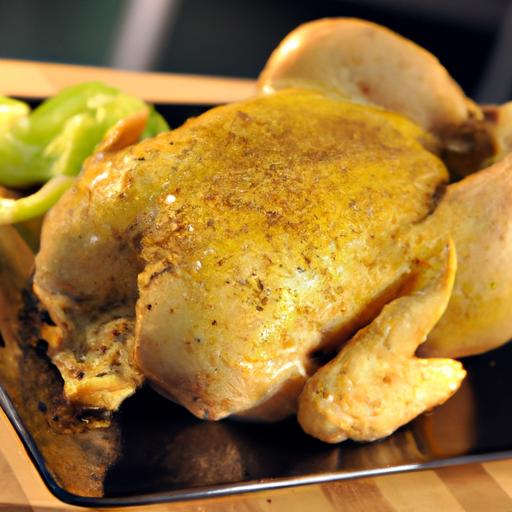

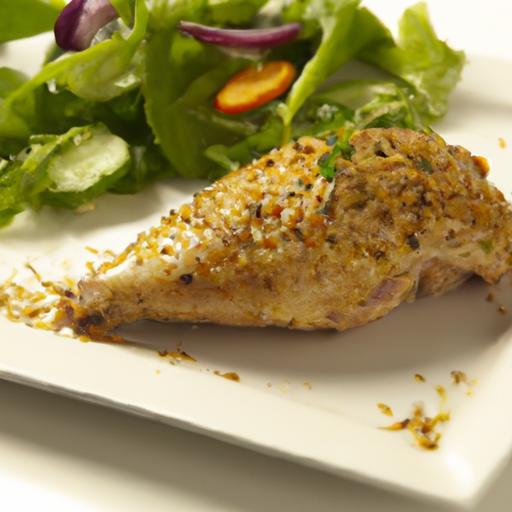
There’s something deceptively simple-and endlessly satisfying-about a perfectly baked chicken breast. At first glance, it might seem like just another weeknight dinner staple, but mastering this culinary classic is an art form that elevates humble ingredients into a succulent, juicy masterpiece. From balancing temperature and timing to seasoning with finesse, unlocking the secrets of the perfectly baked chicken breast transforms ordinary meals into memorable feasts. Join us as we explore the techniques and tips that will forever change the way you cook this beloved protein, ensuring every bite is tender, flavorful, and absolutely irresistible.
Mastering the Art of the Perfectly Baked chicken Breast
Mastering the art of the perfectly baked chicken breast begins with selecting the right cut, unlocking layers of flavor through expert marinades and brining, and precise temperature control-all culminating in an irresistibly tender and juicy dish you’ll want to recreate again and again.
Choosing the Ideal Chicken Breast for Juicy Results
At the heart of mastering the art of the perfectly baked chicken breast lies the initial step: choosing high-quality chicken breasts. Opt for fresh, organic, or free-range chicken breasts that possess a uniform thickness. Thinner, uneven pieces tend to cook unevenly, leading to dryness or undercooked patches. For even cooking, consider using chicken breasts that are about 6 to 7 ounces each and about an inch thick. If needed, gently pound thicker breasts to an even thickness to ensure juicy and tender results throughout.
Unlocking flavor Through Marinades and Brining Techniques
Marinades and brining are secrets that elevate the perfectly baked chicken breast far beyond bland and dry. A basic brine of salt, sugar, and water works wonders by infusing moisture and enhancing natural flavor. For a rapid brine, soak your chicken breasts for 30-60 minutes in a solution of ½ cup kosher salt and ¼ cup sugar dissolved in 4 cups of water. For an extra flavor lift, add aromatics like crushed garlic, peppercorns, or citrus zest.
Alternatively, a shining marinade based on acid (like lemon juice or yogurt), herbs, and spices penetrates the fibers, breaking down proteins gently for tenderness without overdoing acidity. remember to keep marinating between 30 minutes to 4 hours; too long can turn the texture mushy.
Mastering Temperature Control for Tenderness and Safety
Precise temperature control is vital in mastering the art of the perfectly baked chicken breast. Cooking at medium-high oven temperatures (around 375°F to 400°F) helps seal in juices while creating a delicate crust. The ultimate goal is to reach an internal temperature of 165°F (74°C), which ensures safe consumption without drying out the meat.
Use a reliable digital meat thermometer inserted into the thickest part of the breast to monitor doneness. Remove the chicken from the oven slightly before it hits 165°F, as carryover heat will continue cooking the meat to perfect tenderness. avoid high temperatures that cause tough, rubbery texture or low temperatures that leave raw centers.
resting and Carving Tips to preserve Moisture and Enhance Presentation
The final step that often gets overlooked but makes all the difference is resting. Once baked, tent the chicken breast loosely with foil and let it rest for 8-10 minutes. This pause allows juices to redistribute rather than gush out upon slicing.
For carving, always use a sharp knife and slice across the grain of the muscle fibers. This technique shortens muscle strands, making each bite feel more tender and easier to chew. Present slices fanned out on a warmed platter,garnished with fresh herbs like thyme or parsley,to enhance both flavor and visual appeal.
prep and Cook Time
- Prep Time: 15 minutes (plus 30 to 60 minutes marinating or brining)
- Cook Time: 20 to 25 minutes
- Total time: 45 to 85 minutes
Yield
serves 4 people
Difficulty Level
Easy to Medium
Ingredients
- 4 boneless, skinless chicken breasts (about 6-7 oz each)
- ½ cup kosher salt
- ¼ cup granulated sugar
- 4 cups cold water
- 2 cloves garlic, crushed
- 1 lemon, zested and juiced
- 2 tbsp olive oil
- 1 tsp freshly ground black pepper
- 1 tsp dried thyme (or 1 tbsp fresh thyme, chopped)
- Fresh parsley, for garnish
Instructions
- Prepare the brine: In a large bowl, dissolve kosher salt and sugar in 4 cups of cold water. Add crushed garlic and lemon zest. Submerge chicken breasts in the solution. Refrigerate for 30 to 60 minutes.
- Remove and rinse: Take chicken breasts out of the brine, rinse under cold water, and pat dry thoroughly with paper towels.
- Marinate for flavor: In a small bowl, whisk together olive oil, lemon juice, black pepper, and thyme. Brush evenly over each chicken breast. Let sit for 15-30 minutes at room temperature.
- Preheat the oven: Set oven to 400°F (200°C). Lightly grease a baking dish or line with parchment paper for easy cleanup.
- Even thickness: If needed, gently pound the chicken breasts to an even 1-inch thickness using a meat mallet or rolling pin.
- Bake: Arrange chicken breasts in a single layer. Bake for 20 to 25 minutes, checking internal temperature after 20 minutes. Aim for 160-163°F, then remove from oven to rest (carryover heat will bring it to 165°F).
- Rest: Tent the chicken loosely with foil and allow to rest for 8 to 10 minutes to trap juices.
- Slice and serve: Using a sharp knife, carve the breasts across the grain and arrange on a serving plate. Garnish with fresh parsley and lemon slices for a vibrant presentation.
Tips for Success
- For even juicier chicken, use a digital thermometer to avoid overcooking-accuracy is key in mastering the art of the perfectly baked chicken breast.
- If short on time, skip the brine and marinate directly with olive oil, lemon, and herbs for at least 30 minutes.
- Experiment with your favorite herbs like rosemary or oregano in the marinade for different flavor profiles.
- Make ahead: Brine your chicken breasts the night before and keep refrigerated. Bring to room temperature before baking for optimal cooking.
- Pair this chicken with a light pan sauce or roasted seasonal vegetables for a balanced meal.
Serving Suggestions
Present your perfectly baked chicken breast atop a bed of fluffy quinoa or creamy mashed sweet potatoes. Sprinkle freshly chopped herbs and a drizzle of extra virgin olive oil for gloss and aroma. Add a wedge of lemon on the side to brighten the flavors at the table.

| Nutrient | Per Serving |
|---|---|
| Calories | 220 kcal |
| Protein | 38 g |
| Carbohydrates | 1 g |
| Fat | 5 g |
For more techniques on cooking poultry to perfection, visit our Ultimate Poultry Cooking Guide. Learn why maintaining an ideal internal temperature is crucial according to USDA Food Safety Standards.
Q&A
Q&A: Mastering the Art of the Perfectly Baked Chicken Breast
Q1: What’s the secret to keeping baked chicken breasts juicy instead of dry?
A1: The secret lies in brining or marinating the chicken ahead of time to lock in moisture, seasoning it well, and baking at a moderate temperature. Starting with an even thickness helps the breast cook uniformly, preventing dry edges and undercooked centers.resting the chicken after baking lets the juices redistribute for maximum tenderness.
Q2: How do I ensure even cooking if my chicken breasts vary in size?
A2: For uneven chicken breasts, gently pound the thicker parts with a meat mallet or rolling pin to an even thickness before seasoning. This ensures uniform cooking, so the thinner areas won’t dry out before the thicker sections are done.
Q3: Is it better to bake chicken breasts covered or uncovered?
A3: Baking uncovered at around 375°F (190°C) allows the surface to develop a light golden crust while sealing in moisture. For extra tenderness, you can cover the chicken loosely with foil for the first part of baking, then remove it for the last 10 minutes to let the surface brown beautifully.
Q4: Can I bake chicken breasts from frozen?
A4: Yes, but keep in mind frozen chicken breasts will take about 1.5 times longer to bake. to avoid uneven cooking, it’s best to thaw them in the refrigerator overnight. If baking from frozen, bake covered to help retain moisture and check internal temperature carefully to ensure safety.
Q5: What internal temperature indicates perfectly cooked chicken breast?
A5: The ideal internal temperature is 165°F (74°C). Using a meat thermometer inserted into the thickest part eliminates guesswork and guarantees juicy, safe-to-eat chicken every time.Q6: How can I add flavor to baked chicken breasts without overpowering their natural taste?
A6: Use delicate herbs like thyme, rosemary, or parsley along with fresh lemon zest and garlic to enhance the chicken’s natural flavor without masking it. brining with lightly salted water or a gentle marinade helps infuse subtle flavor and moisture.
Q7: is there a better baking method for chicken breasts for meal prep?
A7: Baking chicken breasts evenly in a single layer on a parchment-lined sheet pan or in a shallow baking dish ensures consistent cooking. After cooling, slice or shred and store with it’s cooking juices to keep meals flavorful and moist throughout the week.
Q8: What side dishes complement perfectly baked chicken breast?
A8: Vibrant roasted vegetables, fluffy quinoa, or herbed wild rice make excellent companions, balancing the gentle flavor of the chicken with texture and color. A crisp green salad with citrus dressing adds refreshing contrast.
Q9: How long should I let chicken breasts rest after baking and why?
A9: Let the chicken rest for at least 5 minutes post-baking. This pause allows the muscle fibers to relax and absorb their own juices, resulting in tender, juicy bites rather than dry, tough meat.
Q10: Can I customize the crust on baked chicken breasts for different textures?
A10: Absolutely! For a crispy crust, coat the chicken breasts lightly with olive oil or melted butter and a dusting of seasoned breadcrumbs or panko. Alternatively, a sprinkle of Parmesan cheese or finely chopped nuts before baking adds a delightful crunch and flavor boost.
Future outlook
As you close this chapter on mastering the art of the perfectly baked chicken breast, remember that precision and patience are your most trusted kitchen allies. With every carefully measured ingredient, every mindful minute in the oven, you’re not just cooking-you’re crafting a culinary canvas where simplicity meets sophistication. Whether draped in herbs, kissed by citrus, or seasoned to your soul’s desire, the perfect chicken breast awaits your touch. So take these techniques, experiment boldly, and let your oven be the stage where succulent, juicy perfection takes center spotlight each and every time. Your journey to poultry perfection has only just begun.