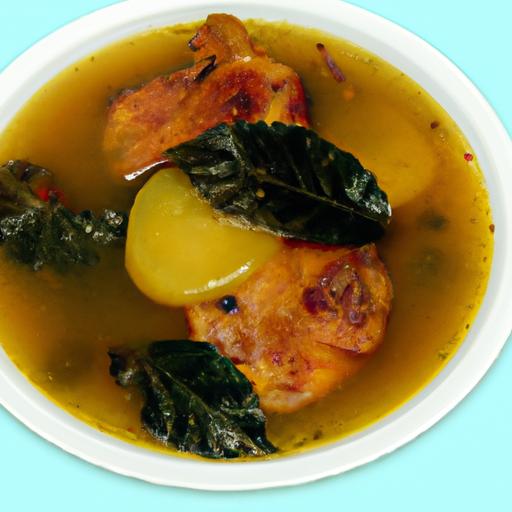

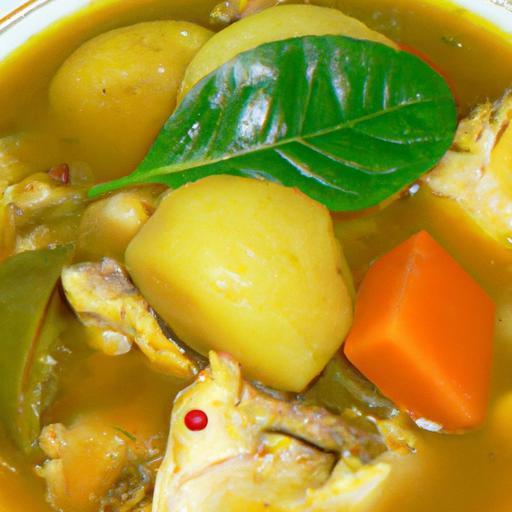
There’s a special kind of magic simmering in the kitchens of the Dominican Republic-a hearty, soul-warming stew that carries the very essence of home and tradition. Known as Sancocho, this rich and vibrant dish is more than just a meal; it’s a flavorful celebration of culture, community, and comfort.In every fragrant spoonful, you’ll uncover layers of history, family stories, and the vibrant spirit of Dominican life. Join us as we delve into the heart of home with an authentic Dominican Sancocho recipe, inviting you to experience the timeless flavors that have united generations around the table.
The Rich History Behind Dominican Sancocho
Discover the Heart of Home: Authentic Dominican Sancocho Recipe is not just about creating a hearty stew; it’s an invitation to dive into the vibrant cultural tapestry of the Dominican Republic. Sancocho is a cherished dish passed down through generations-a symbol of unity, celebration, and tradition. Rooted in the island’s Taíno and Spanish influences, this savory stew blends local tubers, aromatic herbs, and succulent meats into a soul-warming experience. Frequently enough served during family gatherings or festive occasions, sancocho carries stories of resilience and communal joy, making every spoonful a heartfelt connection to Dominican heritage.
Selecting the Freshest Ingredients for Authentic Flavor
Every spoonful of authentic Dominican sancocho reflects the quality of its ingredients. Begin with the freshest root vegetables-crisp yuca,velvety ñame,and sweet plantains-which lend the stew its signature texture and subtle sweetness. Choose vibrant, firm vegetables and fresh herbs like culantro and thyme to elevate the aromatics. For protein,opt for lean,unprocessed cuts of chicken and beef,rinsed and trimmed to perfection. This step ensures an authentic flavor profile,making your sancocho burst with richness and balance.
Prep and Cook Time
- Preparation Time: 30 minutes
- Cooking Time: 2 hours
- Total Time: 2 hours 30 minutes
Yield
Serves 6-8 generous portions
Difficulty Level
Medium - ideal for cooks ready to embrace a rewarding, hands-on process with flavorful results
ingredients
- 2 lbs bone-in chicken thighs, skin removed and rinsed
- 2 lbs beef stew meat, cut into 2-inch cubes
- 1 large onion, diced
- 4 cloves garlic, minced
- 2 medium plantains, peeled and cut into 2-inch chunks
- 2 cups yuca, peeled and cut into chunks
- 2 cups ñame (yam), peeled and diced
- 3 medium potatoes, peeled and chopped
- 2 medium carrots, sliced
- 2 ears of corn, cut into thirds
- 1 bunch culantro (sub: cilantro if unavailable)
- 2 sprigs fresh thyme
- 1 bell pepper, seeded and sliced
- 1 tablespoon tomato paste
- 8 cups chicken broth or water
- 2 tablespoons olive oil
- Salt and freshly ground black pepper, to taste
- 1 teaspoon oregano
- 1 Scotch bonnet pepper (whole for flavor, optional)
Step by Step Guide to Perfecting Your Sancocho
- Prepare the meats: Season chicken and beef with salt, pepper, and oregano. In a large heavy-bottom pot, heat olive oil over medium-high heat. Brown the chicken thighs and beef cubes on all sides for about 5-7 minutes. Remove and set aside.
- Sauté aromatics: In the same pot, add diced onion, garlic, and bell pepper. Sauté until fragrant and translucent, about 4 minutes, stirring frequently to avoid burning.
- Add tomato paste: Stir in the tomato paste and cook for 2 minutes to deepen the flavor and caramelize slightly.
- Return meats and add liquids: Return the browned meats to the pot.Pour in chicken broth or water, ensuring it covers the meat by at least an inch. Add culantro,thyme sprigs,and scotch bonnet (if using). Bring to a boil.
- Simmer gently: Lower the heat to a gentle simmer, partially cover the pot, and cook for 1 hour, skimming off any foam or excess fat that rises to the surface. This slow cooking tenderizes meat and melds flavors beautifully.
- Add root vegetables and corn: Add yuca, ñame, plantains, potatoes, carrots, and corn to the pot. Stir gently, and continue simmering partially covered for another 45 minutes, or until vegetables are tender but not falling apart.
- Finish seasoning: Remove thyme and culantro sprigs. taste the broth and adjust salt and pepper as needed. If you prefer a thicker stew, mash some vegetables gently against the pot’s side for natural thickening.
- Rest and serve: Let the sancocho rest for 10 minutes off the heat to allow flavors to marry before ladling into bowls.
Tips for Serving and Pairing to Elevate your Meal
To truly embrace the experience of this hearty stew, serve your sancocho piping hot in rustic bowls. Garnish with a sprinkle of fresh chopped cilantro, a drizzle of lime juice for brightness, and a side of white rice or avocado slices to balance the richness. A crisp salad or fried tostones complements the meal beautifully, introducing contrasting textures. For drinks, pair with a chilled glass of Caribbean rum (non-alcoholic alternatives include fresh coconut water or passion fruit juice) to capture the spirit of the islands.
| Nutrient | Per Serving |
|---|---|
| Calories | 375 |
| Protein | 32g |
| Carbohydrates | 29g |
| Fat | 14g |
Chef’s Notes: Tips for Success
- For a deeper flavor, marinate meats overnight in garlic, oregano, salt, and a splash of lime juice.
- Substitute culantro with fresh cilantro if unavailable,though culantro lends a more customary,earthy aroma.
- Control the heat level by removing the Scotch bonnet early during cooking or omit entirely if you prefer a milder stew.
- Make-ahead: This sancocho tastes even better the next day as flavors meld-reheat gently over low heat with a splash of broth.
- For a vegetarian twist, replace meats with hearty mushrooms and vegetable broth but keep the roots for authentic texture.

Visualize the rich, colorful layers of flavors infusing in every bubble as your sancocho cooks slowly, a feast for the eyes and the soul.
Q&A
Q&A: Discover the heart of Home – Authentic Dominican Sancocho Recipe
Q1: What makes Dominican sancocho so special and considered the heart of home?
A1: Dominican Sancocho is more than just a stew-it’s a celebration of community, family, and tradition. This hearty, soulful dish brings together a melange of fresh root vegetables, tender meats, and vibrant spices, all simmered slowly to create a rich, comforting broth. It’s the kind of meal that gathers loved ones around the table, evoking warmth, stories, and the essence of Dominican culture.
Q2: What are the key ingredients that define an authentic Dominican Sancocho?
A2: At its core, Dominican Sancocho features a combination of root vegetables such as yuca, plantains, cassava, and ñame, along with starchy tubers and corn on the cob. Chicken and beef are commonly used meats that infuse the broth with depth. aromatics like garlic, onions, bell peppers, and cilantro bring brightness, while Dominican oregano and a touch of bitter orange or lime juice add distinctive flavor notes.
Q3: How does the cooking process contribute to the unique flavor of Sancocho?
A3: The magic lies in slow, patient cooking. Meat is first simmered to build a flavorful broth,and then root vegetables and corn are added sequentially,allowing each to absorb the rich essence. This layered approach to cooking results in a stew that’s both hearty and nuanced,where every spoonful tells a story of care and tradition.
Q4: Can Sancocho be made in large quantities for gatherings?
A4: Absolutely! Sancocho is traditionally a communal dish, perfect for family celebrations or community events. Its flavors deepen when made in big pots, making it an ideal centerpiece for festive occasions. Plus, it’s easy to scale ingredients up or down, adapting to any crowd size without losing its authentic taste.
Q5: What side dishes typically accompany Dominican Sancocho?
A5: Sancocho is often enjoyed with white rice on the side, which perfectly balances the rich stew. A simple avocado salad, slices of fresh avocado, or a drizzle of lime juice can brighten the plate. Some also serve it with a handful of crunchy tostones (fried plantains, avoiding pork-based toppings) to add texture and contrast.
Q6: How can someone new to Dominican cuisine start making Sancocho at home?
A6: begin by gathering fresh, quality ingredients-roots, meats, fresh herbs-and don’t rush the simmering process. Follow a trusted recipe to understand the layering of flavors and cook times. Most importantly, think of it as a ritual of connection: preparing Sancocho is an chance to invite warmth and history into your kitchen, making the cooking itself part of the experience.
Q7: Are there vegetarian or lighter versions of Dominican Sancocho?
A7: While the traditional recipe is meat-forward, you can create a vibrant vegetarian version using hearty root vegetables, corn, plantains, and legumes like chickpeas or pigeon peas for protein. Use vegetable broth infused with Dominican herbs and spices, ensuring you capture the stew’s heart while making it accessible for plant-based diets.
Q8: What cultural meaning does Sancocho hold beyond being a meal?
A8: Sancocho is a symbol of resilience, unity, and celebration in dominican culture. It’s served during holidays, family reunions, and significant milestones, embodying the spirit of sharing and hospitality. This humble stew reflects the country’s rich history and diverse influences, making it a appetizing emblem of Dominican identity.
In retrospect
As the rich aromas of simmering root vegetables and tender meats fill your kitchen, you’re not just cooking a meal-you’re embracing a vibrant tradition that has warmed dominican homes for generations. This authentic sancocho recipe is more than a dish; it’s a flavorful journey into the heart of Dominican culture, where every spoonful tells a story of family, celebration, and togetherness. So next time you gather around the table, let sancocho be your invitation to connect, share, and savor the true taste of home.