
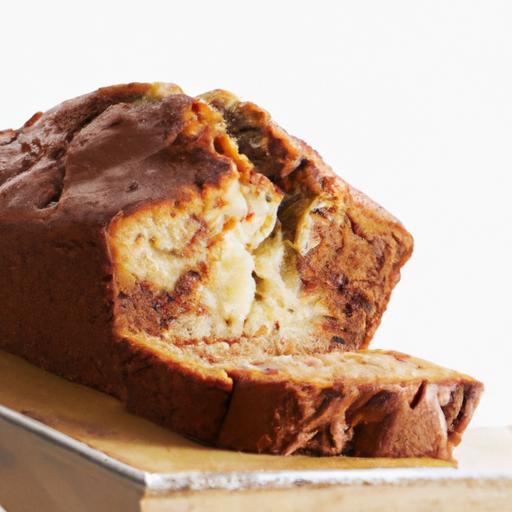
Baking a cake is more than just mixing ingredients-it’s an art that transforms simple elements into a delicious masterpiece. Whether you’re a seasoned baker or a curious novice, mastering the perfect cake recipe can feel both exciting and elusive. In this ultimate guide, we’ll unfold the secrets behind fluffy textures, moist crumb, and irresistible flavors, turning your kitchen into a haven of sweet success. From selecting the right ingredients to mastering baking techniques, prepare to embark on a journey that will elevate your cake-making skills and delight every palate. Let’s dive into the science and magic of baking the perfect cake!
Choosing the Finest Ingredients for Superior Cake Flavor
The Ultimate Guide to Baking the Perfect Cake Recipe begins with the soul of any grate cake: the ingredients. Selecting top-quality components transforms your simple batter into a rich, irresistibly flavored masterpiece. Opt for fresh, unbleached all-purpose flour that has been properly sifted to ensure lightness. Choose farm-fresh eggs for their vibrant yolks and depth of flavor,and always reach for unsalted butter-it grants you full control over salt levels and offers a creamy richness unmatched by margarine or oils.
don’t underestimate the flavor impact of pure vanilla extract or freshly grated lemon zest; these natural enhancers elevate the aroma and complexity of your cake. When it comes to dairy, use high-quality whole milk or cream for moisture and tenderness. Avoid processed shortcuts; a cake rich in quality ingredients invites a texture and depth that no artificial flavoring can replicate.
Mastering Mixing techniques to Achieve Ultimate Texture
The magic of texture lies in how you combine your finest ingredients. Start by creaming butter and sugar until pale and fluffy-this process incorporates air, building the cake’s light structure. When adding eggs, introduce them one at a time to prevent curdling and promote even emulsification.
Alternate folding in dry ingredients with your wet milk mixture gently,using a spatula or low mixer speed to avoid overdeveloping gluten,which can harden the crumb. Remember, the ultimate cake texture is achieved by balance: enough mixing to combine but not so much that the batter becomes dense.
Baking Time and Temperature Secrets for Flawless Results
Correct oven temperature and baking times are pivotal to avoid over- or under-baking. Preheat the oven fully-typically to 350°F (175°C)-before placing your batter inside. Lowering the oven rack provides even heat distribution, ensuring a golden crust without a burnt exterior.
Use an oven thermometer for accuracy, and resist opening the oven door frequently as temperature fluctuations can cause the cake to collapse. Start checking doneness with a toothpick 5 minutes before the recipe’s suggested baking time; a clean toothpick signals perfect readiness.
Creative Decorating Tips to Elevate Your Cake Presentation
Your cake’s visual appeal can be as tantalizing as its flavor. For a polished look, crumb-coat with a thin layer of frosting, then chill before applying a smoother final coat. Use offset spatulas for clean edges and turntables for 360-degree styling comfort. Incorporate fresh fruits, edible flowers, or lightly toasted nuts for textural contrast and natural color pops.
For extra flair, try piping delicate rosettes or borders with a piping bag fitted with a star tip. Dust the top with a light sprinkle of confectioners’ sugar or cocoa powder through a stencil for elegant patterns. elevating your cake’s presentation turns a simple dessert into a centerpiece worthy of any festivity.
Prep and Cook Time
- Preparation: 20 minutes
- Mixing: 15 minutes
- Baking: 30-35 minutes
- Cooling and Decorating: 40 minutes
Yield
Serves 10-12 slices
difficulty level
Medium – perfect for bakers ready to refine foundational techniques and experiment with decoration.
Ingredients
- 2 ½ cups all-purpose flour, sifted
- 2 ½ tsp baking powder
- ½ tsp fine sea salt
- 1 cup unsalted butter, softened
- 1 ¾ cups granulated sugar
- 4 large eggs, at room temperature
- 1 cup whole milk, warmed
- 1 tbsp pure vanilla extract
- Zest of 1 lemon (optional, for a fresh aromatic twist)
Instructions
- Preheat the oven to 350°F (175°C). Grease and flour two 9-inch round cake pans or line with parchment paper.
- in a bowl, whisk together the flour, baking powder, and salt. set aside to blend evenly.
- Cream the softened butter and sugar with an electric mixer on medium speed until light and fluffy, about 3-5 minutes.
- Add the eggs one at a time, beating each until fully incorporated. Stir in vanilla extract and lemon zest.
- Reduce mixer speed to low; add dry ingredients alternately with warm milk, beginning and ending with the flour mixture. Mix gently until just combined-overmixing can toughen the cake.
- Divide the batter evenly between cake pans, smoothing the tops with a spatula.
- Bake for 30-35 minutes or until a toothpick inserted into the center comes out clean.
- Cool cakes in pans for 10 minutes, then transfer to wire racks to cool completely before decorating.
Chef’s Notes
- Substitute whole milk with buttermilk for a slightly tangy flavor and tender crumb.
- For a dairy-free option, replace butter with plant-based margarine and milk with almond or oat milk.
- Always sift dry ingredients to avoid lumps and promote a finer crumb.
- Make ahead: Cake layers can be baked a day in advance, wrapped tightly in plastic wrap, and refrigerated.
- Use an internal oven thermometer for perfect temperature control every bake.
Serving Suggestions
Present this cake on a decorated serving platter with a dusting of powdered sugar or a drizzle of high-quality chocolate ganache. Pair it with fresh berries, such as raspberries or sliced strawberries, to add a natural tartness. For a festive touch, garnish with edible flowers or candied citrus slices, which will beautifully contrast the cake’s tender crumb and creamy frosting.
| Nutrient | Per Serving |
|---|---|
| Calories | 320 |
| Protein | 5g |
| Carbohydrates | 40g |
| Fat | 15g |

For more advanced decorating ideas, check out our in-depth cake decoration tutorial, or explore scientific insights into baking flour chemistry at ScienceDirect.
Q&A
Q&A: The Ultimate Guide to Baking the Perfect Cake recipe
Q1: What’s the secret to a moist and fluffy cake?
A1: The magic lies in balancing wet and dry ingredients while incorporating just the right amount of air. use room temperature eggs and butter to create a smooth batter, and don’t overmix-fold gently to keep air bubbles intact. Also, adding a touch of sour cream or yogurt can elevate moisture without weighing down the crumb.
Q2: How vital is ingredient temperature when baking a cake?
A2: Extremely important! Room temperature ingredients blend more evenly, helping to create a consistent batter and even rise. Cold eggs or butter can cause lumps or uneven texture, while melted butter changes the cake’s structure. plan ahead and let ingredients sit out before mixing.
Q3: Can I substitute regular flour with gluten-free flour without compromising texture?
A3: Yes, but it requires a bit of finesse. Gluten-free flours often lack the elasticity of wheat flour,so combining them with binding agents like xanthan gum or psyllium husk helps mimic that structure. Also, some recipes might need extra moisture or an extra egg to compensate.
Q4: Why does my cake sometimes come out dry or crumbly?
A4: Dryness often results from overbaking or too much flour. Be sure to measure flour carefully-fluff it up, spoon into the measuring cup, and level off. Also, keep an eye on your oven’s temperature; an oven thermometer can save your bake from running too hot or cold.
Q5: How do I ensure my cake layers bake evenly?
A5: Use pans of the same size and material, and fill them with equal amounts of batter. for extra evenness, wrap a damp cloth or baking strips around the pans’ sides-this slows the edges from baking faster than the center. Rotating pans halfway through baking can also help if your oven has hot spots.
Q6: What frosting pairs best with a classic vanilla cake?
A6: Cream cheese frosting adds a rich, tangy balance, while whipped buttercream brings a sweet, airy finish. For a fresh twist, try a lemon glaze or a simple dusting of powdered sugar topped with fresh berries.The key is to complement, not overpower, your cake’s delicate flavor.
Q7: How can I make my homemade cake look as good as it tastes?
A7: Presentation is an art! Level your cake layers with a serrated knife for even stacking, and chill them briefly before frosting to prevent crumbs from mixing in. Use a crumb coat-a thin layer of frosting-to seal in crumbs before applying the final coat.Finish with decorative piping, texture, or edible flowers for that wow factor.
Q8: What’s the best way to store a cake to keep it fresh?
A8: Once frosted, store your cake in a cake keeper or cover it with a dome to protect from air exposure. Most cakes stay fresh for 2-3 days at room temperature. For longer storage, wrap tightly in plastic wrap and freeze; just thaw in the fridge overnight before serving.
Q9: can I bake a cake at a higher altitude without changing the recipe?
A9: Baking at high altitudes usually requires adjustments-lowering baking powder and sugar, adding a bit more liquid, and increasing oven temperature slightly-to combat the faster rise and drier results. Research altitude-specific tweaks to perfect your recipe if you live above 3,000 feet.
Q10: What’s a rapid tip for adding natural flavor without artificial extracts?
A10: Infuse your batter or frosting with fresh citrus zest, pure vanilla bean seeds, or freshly brewed tea or coffee. These natural flavor boosters add depth and aroma without overpowering sweetness or artificial afternotes. Plus, they bring a homemade touch that elevates your cake from ordinary to unforgettable.
The Conclusion
Baking the perfect cake is both an art and a science-a delicious dance of precise measurements, patience, and a sprinkle of creativity. With the tips, techniques, and trusted recipe shared in this guide, you’re now equipped to transform simple ingredients into a masterpiece that delights the senses. Remember, every cake is a canvas, and every baker is an artist; so don’t be afraid to experiment, savor the process, and most importantly, enjoy every bite. Happy baking-may your kitchen always be filled with the irresistible aroma of freshly baked joy!