
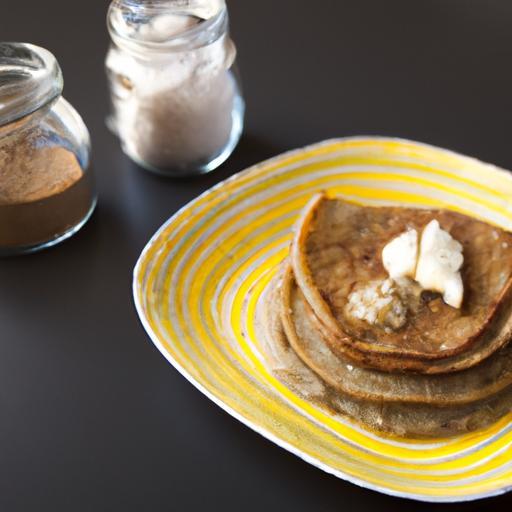
There’s something undeniably charming about blinis-the delicate, tender pancakes that have graced tables for centuries, from rustic village kitchens to elegant soirées. But what if this classic treat could get a wholesome makeover,one that not only honors tradition but also embraces modern nutrition? Enter buckwheat flour blinis: a delightful twist that infuses these bite-sized wonders with a nutty depth and hearty goodness. In this article, we’ll explore how swapping in buckwheat flour transforms the humble blini into a vibrant, healthful delight, perfect for adventurous food lovers seeking both flavor and nourishment in every bite.
Buckwheat flour blinis offer a delightful and nutritious twist on a classic Eastern European treat, cherished for their earthy flavor and light, fluffy texture. Originating from Russia and Ukraine, these petite pancakes have a rich history as the perfect vehicle for savory and sweet toppings alike. Buckwheat flour, despite its misleading name, is gluten-free and packed with protein, fiber, and essential minerals, providing a wholesome base that elevates every bite. Crafting these at home allows you to master their delicate balance of tenderness and heartiness, delivering a comforting yet elegant dish to your table.
Prep and Cook Time
- Planning: 15 minutes
- Resting: 30 minutes
- Cooking: 15 minutes
- Total: 1 hour
Yield
Makes approximately 20 small blinis (serves 4 as an appetizer or light meal)
Difficulty Level
Easy to Medium – perfect for confident beginners and seasoned cooks eager to experiment with wholesome flours
Ingredients
- 1 cup buckwheat flour, sifted
- 1/2 cup all-purpose flour, sifted (for structure and fluffiness)
- 1 1/4 cups whole milk, warmed
- 2 large eggs, separated
- 2 tablespoons granulated sugar
- 1/2 teaspoon salt
- 1 teaspoon active dry yeast
- 3 tablespoons unsalted butter, melted (plus extra for cooking)
- Optional: 1 tablespoon plain yogurt or sour cream, for extra tang
Instructions
- Activate the yeast: In a small bowl, combine the warm milk (110°F/43°C) with sugar and yeast.Stir gently and let it sit for 5-10 minutes until foamy, indicating the yeast is active.
- Mix dry ingredients: In a large bowl, whisk together buckwheat flour, all-purpose flour, and salt until well combined.
- Combine wet elements: Separate eggs. Whisk the egg yolks and melted butter into the foamy yeast mixture. If using, add the yogurt or sour cream here for a subtle tang and tender crumb.
- Create the batter: Gradually pour wet ingredients into the dry flour mixture, whisking briskly to avoid lumps. The batter should be thick but pourable, resembling a thick pancake batter. Cover the bowl with a clean towel and let it rest for 30 minutes to allow the yeast to develop flavor and a slight rise.
- Beat the egg whites: simultaneously occurring, in a clean bowl, whisk the egg whites to soft peaks-this step is essential to achieve lightness in your blinis.
- Fold in air: Gently fold the whipped egg whites into the rested batter with a spatula, preserving as much air as possible for fluffy texture.
- Cook the blinis: Heat a non-stick skillet over medium heat and brush lightly with melted butter.Drop tablespoons of batter onto the skillet, spacing the blinis about 1-2 inches apart. Cook until bubbles form on the surface, edges look set, and the bottoms turn golden brown, about 2 minutes. flip carefully and cook another 1 minute until the other side is golden.
- Keep warm: Transfer cooked blinis to a plate and cover loosely with foil to keep warm while finishing the batch.
Tips for Success
- Resting matters: Allowing the batter to rest is crucial-it mellows the buckwheat flavor and activates the yeast, resulting in a lighter texture.
- Fluff with egg whites: Folding in whipped egg whites brings airy softness-don’t skip this step!
- Temperature control: medium heat ensures blinis cook evenly without burning. Adjust as needed, and avoid overcrowding the pan.
- Make ahead: Prepare the batter the evening before-refrigerate it covered and gently stir before cooking. This deepens flavor and convenience.
- Substitutions: use almond or oat milk for a dairy-free option.For gluten-free blinis, replace all-purpose flour with a gluten-free blend though texture may vary slightly.
Serving Suggestions
These buckwheat flour blinis are a versatile canvas ready to showcase a range of toppings. For a customary touch, dollop rich creamy Greek yogurt or sour cream and top with thinly sliced smoked salmon or delicate cucumber ribbons. Vegetarian? Try roasted mushrooms with a sprinkle of fresh dill or vibrant beetroot hummus crowned with microgreens and toasted seeds.
sweet lovers will adore blinis paired with fresh berries, a drizzle of local honey, and a light dusting of powdered sugar. Garnish with edible flowers or chopped nuts for whimsical elegance.
for a balanced meal, serve blinis alongside a crisp green salad or seasonal grilled vegetables-creating harmony of flavors and textures.
| Nutrient | Per Serving (5 Blinis) |
|---|---|
| Calories | 210 kcal |
| Protein | 7 g |
| Carbohydrates | 30 g |
| Fat | 6 g |

for more wholesome recipes using choice flours, explore our Healthy Pancakes with Alternative Flours collection and unlock nutritious meal ideas bursting with flavor and texture.
Q&A
Q&A: Buckwheat Flour blinis – A Wholesome Twist on a Classic Treat
Q1: What makes buckwheat flour blinis different from traditional blinis?
A1: Buckwheat flour blinis stand apart primarily due to their unique flavor and nutritional profile. Unlike the classic wheat flour base, buckwheat imparts a nutty, earthy taste and lends a delightful depth to the blinis. Plus, buckwheat is naturally gluten-free, making these blinis a fantastic option for those with gluten sensitivities or anyone seeking a wholesome, hearty alternative.
Q2: Is buckwheat flour nutritious?
A2: Absolutely! Buckwheat flour is packed with rich nutrients like fiber, high-quality plant protein, and minerals including magnesium, manganese, and iron. It’s also a good source of antioxidants.Incorporating it into blinis not only enhances flavor but also boosts the overall healthfulness of this classic dish.
Q3: Can buckwheat blinis be used for both savory and sweet dishes?
A3: Yes, buckwheat blinis are wonderfully versatile! Their subtle earthiness pairs beautifully with savory toppings like smoked salmon, crème fraîche, fresh herbs, or sautéed mushrooms. On the sweeter side, think tangy berries, a drizzle of honey, or a dollop of yogurt. Their robust flavor profile makes them a perfect canvas for a wide range of creative toppings.
Q4: How do you achieve the perfect texture when making buckwheat blinis?
A4: The magic lies in balancing moisture and leavening. Because buckwheat flour is denser than wheat, using a combination of buckwheat and a lighter flour, like all-purpose or buckwheat with a bit of rice flour, can yield a tender crumb. Adding a leavening agent like baking powder or yeast helps create the characteristic lightness and small bubbles. Whisking the batter well and allowing it to rest before cooking also enhances texture.
Q5: Are buckwheat flour blinis suitable for all dietary preferences?
A5: They are wonderfully adaptable! Naturally gluten-free,buckwheat blinis fit into gluten-free diets. By selecting plant-based toppings or substitutes for dairy,they can easily become vegan-friendly as well. This makes them a crowd-pleaser for diverse dietary needs without compromising on flavor or tradition.
Q6: What’s a fun way to serve buckwheat blinis at a gathering?
A6: Set up a “blini bar” with various toppings in small bowls-smoked salmon alternatives like smoked trout or roasted vegetables, creamy spreads like herbed cashew cheese or sour cream, fresh herbs, and colorful garnishes such as pomegranate seeds or capers.This lets guests customize their blinis, turning a simple dish into an interactive, elegant feast.
Q7: Can buckwheat flour blinis be prepared ahead of time?
A7: Definitely! You can make a batch in advance and keep them warm in the oven wrapped in foil. Alternatively, they freeze beautifully-simply reheat gently in a pan or toaster oven to revive that fresh-from-the-griddle texture. This makes them ideal for meal prep or spontaneous entertaining.
Q8: Do buckwheat blinis have cultural meaning?
A8: Yes! Blinis origin from Eastern Europe and Russia,traditionally served during celebrations like Maslenitsa,a festival welcoming spring. Using buckwheat flour is a nod to the heritage of regions where buckwheat has been a staple grain for centuries, giving these blinis a wholesome story to go with every bite.
Q9: How can beginners avoid common pitfalls when making buckwheat blinis?
A9: For newcomers,patience is key.Buckwheat batter tends to be thicker and denser than wheat-based, so resist adding too much liquid. Use moderate heat to cook the blinis slowly-too hot, and they may burn outside while staying raw inside. Also, a non-stick pan or well-seasoned skillet helps achieve that signature golden-brown crust without sticking.
Q10: What inspired the twist of using buckwheat flour in blinis?
A10: The inspiration comes from a desire to blend tradition with nutrition and bold flavor. Buckwheat has long been cherished in many cultures for its health benefits and distinctive taste. Infusing it into a time-honored recipe like blinis brings a fresh, wholesome angle that elevates this classic treat from simple to spectacular.
Concluding Remarks
Whether you choose to savor buckwheat flour blinis as a hearty breakfast, a sophisticated appetizer, or a delightful snack, this wholesome twist on a classic treat promises both flavor and nourishment in every bite.Embracing the nutty depth of buckwheat not only elevates the traditional blini experience but also invites you to explore a world of nutritional benefits. So next time you’re craving something comforting yet unique,let these tender,earthy pancakes grace your table-proving that sometimes,the simplest ingredients can create the most memorable dishes.