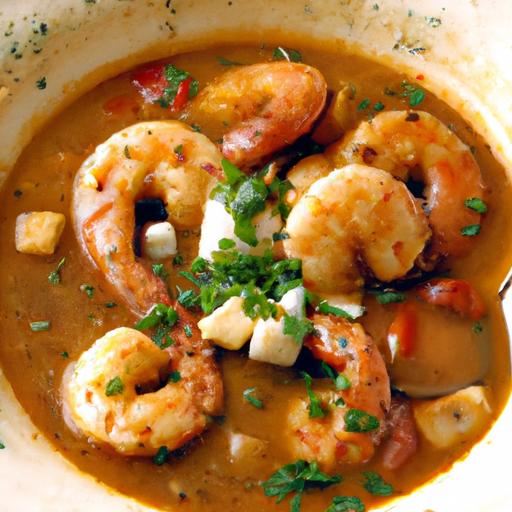

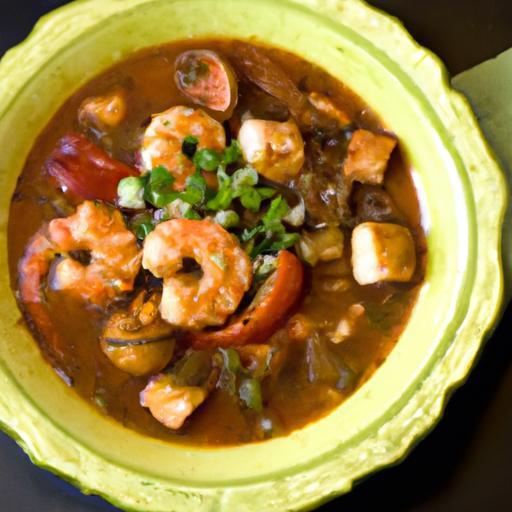
There’s a rich,hearty magic simmering in the heart of Louisiana’s kitchens-a blend of spices,seafood,and soulful tradition known as Cajun Seafood Gumbo. More than just a dish, gumbo is a vibrant tapestry woven from centuries of cultural influences, where the robust flavors of the bayou come alive in a steaming bowl. This flavorful stew isn’t simply food; it’s a celebration of heritage, community, and the art of slow-cooked perfection. Join us as we dive deep into the origins, ingredients, and secrets behind Cajun Seafood Gumbo, unraveling the essence of Louisiana’s most iconic and beloved comfort food.
Cajun seafood gumbo is a celebrated Louisiana treasure that brings together a symphony of textures and bold flavors in one steaming pot. Rooted in the rich cultural melting pot of the Bayou State, this dish reflects centuries of Creole and Cajun heritage, blending French, african, and Native American culinary traditions. The art of crafting the perfect Cajun seafood gumbo begins with a deeply caramelized roux, a medley of fresh seafood, and a distinctive blend of spices that encapsulate the soul of New Orleans’ vibrant food scene. Weather you’re a seasoned home cook or an adventurous beginner, this recipe invites you to dive into authentic Cajun flavors and create a feast that’s as visually stunning as it is deeply satisfying.
Prep and Cook Time
- Preparation: 25 minutes
- Cooking: 1 hour 20 minutes
- Total Time: 1 hour 45 minutes
Yield
- Serves 6 generously
Difficulty Level
- Medium – requires patience with the roux and layering flavors, but is approachable with clear steps
Ingredients
- 1 cup all-purpose flour, sifted
- 1 cup vegetable oil (for roux)
- 1 large onion, finely chopped
- 1 green bell pepper, diced
- 3 stalks celery, diced
- 4 cloves garlic, minced
- 1 (14.5 oz) can diced tomatoes, with juice
- 6 cups seafood stock or low-sodium fish broth
- 2 bay leaves
- 1 teaspoon dried thyme
- 1 teaspoon smoked paprika
- 1 teaspoon cayenne pepper (adjust to taste)
- 1 teaspoon dried oregano
- 1 teaspoon black pepper, freshly ground
- Salt to taste
- 1 pound raw shrimp, peeled and deveined
- 1 pound crab meat, fresh or canned, picked over for shells
- 1 pound firm white fish (e.g., catfish, snapper), cut into bite-sized pieces
- 1/2 pound crab claw meat (optional for added luxury)
- 3 green onions, sliced thin for garnish
- 1/4 cup fresh parsley, chopped
- Cooked white rice, for serving
Instructions
- Prepare the roux: In a heavy-bottomed pot or Dutch oven, combine the vegetable oil and flour over medium heat.Stir constantly with a wooden spoon or heatproof spatula. Continue to cook, stirring frequently, until the roux becomes a deep chocolate brown shade, about 20-25 minutes.Be patient-this step builds the backbone flavor of your gumbo.
- Sauté the aromatics: Once the roux reaches the desired color, immediately add the onions, bell pepper, celery, and garlic. Stir well to coat them in the roux and cook until translucent, about 5-7 minutes. This “holy trinity” is key to authentic Cajun flavor.
- Add tomatoes and spices: Pour in the diced tomatoes with their juice, stirring to combine. Introduce the bay leaves,thyme,paprika,cayenne pepper,oregano,black pepper,and salt. Stir until fragrant, about 2 minutes.
- Pour in the seafood stock: Slowly add the seafood stock while stirring to integrate the roux mixture fully. Bring the gumbo to a gentle boil,then reduce the heat to simmer. Let it develop for 45 minutes, uncovered, stirring occasionally.
- Add seafood: Add the shrimp, crab meat, and fish pieces to the pot. Simmer gently for another 10-15 minutes, or until the seafood is cooked through and tender. Be careful not to overcook to maintain texture.
- Finalize and garnish: Remove the bay leaves. Taste and adjust seasoning if needed. Stir in the chopped green onions and parsley for fresh brightness right before serving.
- serve hot: Spoon the gumbo generously over bowls of steaming white rice. Garnish with extra parsley and sliced green onions for color and flavor.
Tips for Success
- Roux mastery: Stir continuously and maintain medium heat to prevent burning.Darker roux means richer flavor but more attentive stirring.
- Seafood selection: use the freshest seafood available. you can substitute or add oysters or shrimp varieties as preferred but avoid frozen to keep that delicate texture.
- Make-ahead: Gumbo flavors improve overnight. Store refrigerated for up to 3 days and reheat gently.
- Spice adjustment: The cayenne can be dialed back for milder taste or more for fire. Layer spices gradually.
- Stock matters: A quality seafood stock is essential to deepen gumbo’s signature taste. Use homemade or trusted brands.
Serving Suggestions
Present your Cajun seafood gumbo in rustic bowls alongside fluffy steamed white rice piled in a dome for an inviting look.Garnish with fresh parsley and green onion slices for a pop of color. For added crunch, serve with artisanal French bread or crusty baguette slices perfect for sopping up every last drop. Complement your feast with a simple green salad dressed lightly with a lemon vinaigrette to balance the gumbo’s richness. For a truly immersive Louisiana experience, pair it with a classic iced sweet tea or a refreshing sparkling water with a squeeze of fresh lemon.
Nutritional Data (per serving)
| Calories | Protein | Carbohydrates | Fat |
|---|---|---|---|
| 420 kcal | 38 g | 18 g | 15 g |

Discover more about the heritage of Cajun cuisine and other classic dishes right here on our site.For detailed spice profiles and authentic seasoning blends, the National Park Service’s Louisiana heritage overview is an excellent resource.
Q&A
Q&A: Cajun Seafood Gumbo - A Flavorful Dive into Louisiana’s Classic
Q1: What makes Cajun Seafood Gumbo such an iconic dish in Louisiana cuisine?
A1: Cajun Seafood Gumbo is a rich tapestry of flavors that embodies the heart and soul of louisiana’s culinary heritage. It’s iconic because it marries robust, spicy seasonings with fresh seafood and a deeply savory roux, creating a dish that’s both comforting and vibrant. The gumbo captures the melting pot of cultures in Louisiana-French, African, Native American, and Caribbean-all simmered together in one pot.
Q2: How is Cajun Seafood Gumbo different from other types of gumbo?
A2: Cajun Seafood Gumbo is distinguished by its emphasis on seafood like shrimp, crab, and oysters, and its bold, spicy seasoning profile. Unlike Creole gumbo, which often includes tomatoes and can be lighter, Cajun gumbo is typically darker, thanks to a deeply browned roux and the absence of tomatoes. It’s hearty, smoky, and carries a kick from cayenne and black pepper that’s signature to Cajun cooking.
Q3: What is the role of the roux in making Cajun Seafood Gumbo?
A3: The roux is the magic base of cajun Seafood Gumbo-a mixture of flour and fat cooked until it’s a rich caramel or chocolate brown. It provides the gumbo’s signature depth of flavor and thickens the stew to a luscious, velvety consistency. The darker the roux,the more intense and nutty the flavor,which is essential for authentic gumbo.
Q4: which seafood varieties are most commonly used in Cajun Seafood Gumbo?
A4: Shrimp, crab meat, and oysters are classic stars of Cajun Seafood Gumbo. Occasionally, crawfish tails or crab claws might join the party for extra texture and flavor. These fresh, sweet flavors balance beautifully with the spicy, savory broth.
Q5: Aside from seafood, what other ingredients are essential in Cajun Seafood Gumbo?
A5: A conventional Cajun gumbo relies on the ”holy trinity” of vegetables-onion, bell pepper, and celery-for its aromatic foundation. Garlic, okra (which also helps thicken the gumbo), and fragrant spices like thyme and bay leaves add complexity.And of course, plenty of black pepper and cayenne give it that classic Cajun heat.
Q6: How critically important is the seasoning in Cajun Seafood Gumbo?
A6: Seasoning is everything. the bold, smoky character of Cajun gumbo depends heavily on spices. A balanced blend of cayenne, paprika, black pepper, and sometimes a hint of garlic powder or onion powder brings warmth and depth without overpowering the delicate seafood. The seasoning should build gradually to achieve that signature kick.
Q7: Can Cajun Seafood Gumbo be made ahead of time and reheated?
A7: Absolutely! actually, gumbo frequently enough tastes even better the next day as the flavors continue to meld and intensify. Just store it in an airtight container in the refrigerator and gently reheat before serving. If the gumbo thickens too much upon cooling, add a little stock or water to reach the desired consistency.
Q8: What’s the best way to serve Cajun Seafood Gumbo?
A8: Traditionally, Cajun Seafood Gumbo is ladled over a scoop of fluffy white rice, which helps soak up the rich sauce and balance the spice. A sprinkle of freshly chopped green onions or parsley adds a fresh note and a pop of color. For a complete experience, serve with crusty French bread or warm cornbread on the side.
Q9: Are there any tips for achieving the perfect consistency in Cajun Seafood Gumbo?
A9: The key is patience with the roux-it must be cooked slowly and carefully to reach that deep brown color without burning. Also, controlling the amount of stock ensures the gumbo is neither too thick nor too soupy. Remember, okra serves as a natural thickener, so resist the urge to use too much flour or cornstarch. Let the gumbo simmer to meld flavors and thicken naturally.
Q10: How does Cajun Seafood Gumbo reflect the cultural diversity of Louisiana?
A10: Cajun Seafood Gumbo is a delicious metaphor for Louisiana’s cultural mosaic. it draws on French culinary techniques like the roux, African influence through okra and spices, Indigenous contributions with local seafood and filé powder, and Caribbean zest through seasoning profiles. This dish isn’t just a meal-it’s a story of heritage simmered on the stove, connecting generations and communities through food.
To Wrap It Up
As the final spoonful of Cajun seafood gumbo warms your soul, you’re reminded that this dish is more than just a meal-it’s a vibrant mosaic of Louisiana’s rich history, culture, and coastal bounty. Every hearty ladle carries the whispers of Creole cooks, the rhythm of bayou life, and the bold, soulful flavors that define a side of America where tradition and taste collide.
Whether you’re a seasoned foodie or a curious newcomer, diving into this classic gumbo offers a flavorful journey that transcends the bowl-a true celebration of the Gulf Coast’s culinary heritage. So next time you crave a dish that tells a story with every bite, remember that Cajun seafood gumbo is waiting, simmering, and ready to take you on an unforgettable taste adventure.