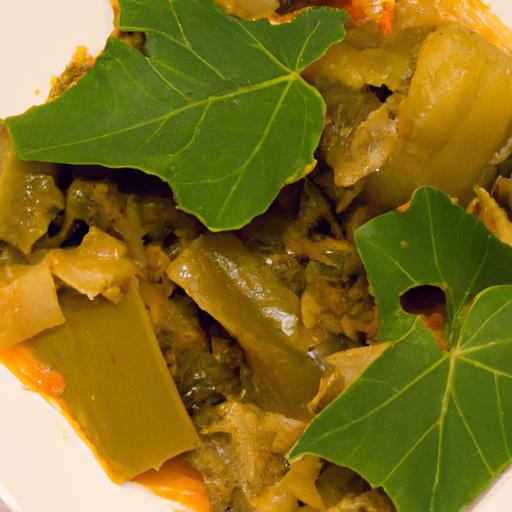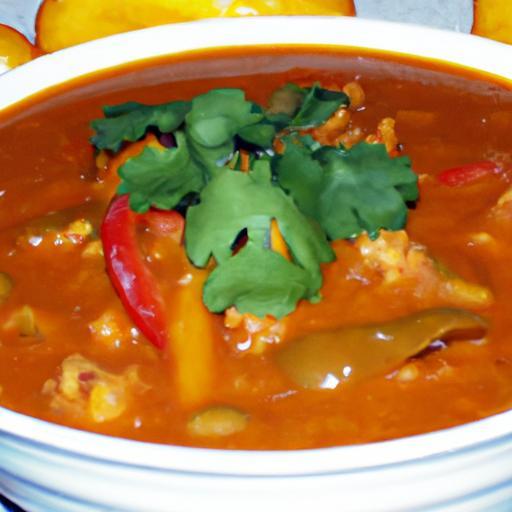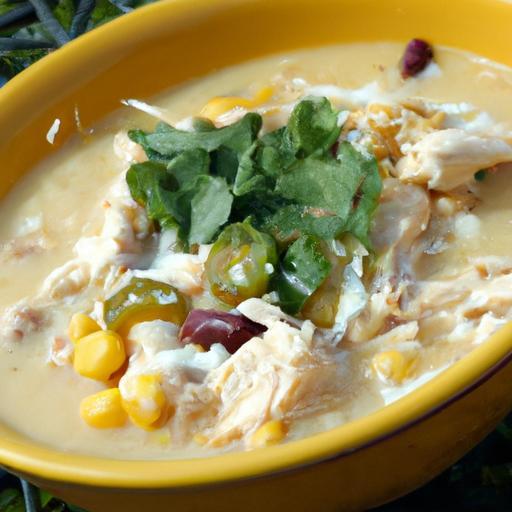

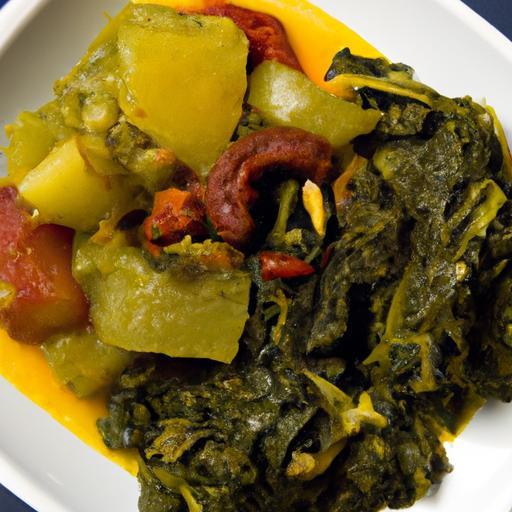
Nestled within the vibrant tapestry of West African cuisine lies a dish that tells a story of tradition, resilience, and rich flavors: Cassava Leaf Stew. more than just a meal, this verdant stew is a culinary journey through sun-soaked fields and bustling markets, where fresh cassava leaves are transformed into a hearty, aromatic party of culture.From the subtle bitterness of the greens to the smoky depth of palm oil and the warming embrace of spices, Cassava Leaf Stew invites both the curious palate and the seasoned food lover to explore a beloved staple that has nourished communities for generations. join us as we delve into the origins, ingredients, and soulful essence of this iconic West African treasure.
Cassava leaf stew holds a cherished place in West African culinary heritage, celebrated not only for its deeply satisfying flavors but also for its historical and cultural meaning. Originating from countries like sierra Leone, Liberia, and Guinea, this lush green stew showcases the versatility of cassava leaves, transforming humble ingredients into a rich tapestry of taste and tradition. From the bustling markets where fresh leaves are carefully selected to the sizzling pots in family kitchens, this dish invites you on a sensory journey rooted in community, history, and vibrant flavors.
Prep and cook Time
Planning Time: 20 minutes
Cooking Time: 1 hour 15 minutes
Total Time: 1 hour 35 minutes
Yield
Serves 6 hearty portions
Difficulty Level
Medium – a rewarding project for those eager to master authentic West African cuisine
Key Ingredients for True West African Flavor
- 2 pounds fresh cassava leaves, finely pounded or chopped
- 1 cup palm oil, vibrant red and unrefined
- 1 lb stewing beef or chicken, cut into bite-sized pieces
- 1 cup ground peanuts (or natural peanut butter for convenience)
- 2 medium onions, finely chopped
- 4 cloves garlic, minced
- 2 Scotch bonnet peppers, whole or chopped for heat
- 1 tablespoon smoked paprika for a subtle smoky depth
- 4 cups beef or vegetable broth
- 2 teaspoons dried crayfish powder (optional for authentic umami)
- Salt and freshly ground black pepper, to taste
- Fresh herbs such as thyme or bay leaves
authentic Preparation Techniques: Step-by-Step Instructions
- Prepare the cassava leaves: If using fresh cassava leaves, rinse thoroughly and finely pound or chop until tender. If unavailable fresh,substitute with frozen finely chopped cassava leaf packs. Set aside.
- Sear the meat: in a large heavy-bottomed pot, heat half the palm oil over medium-high heat. Add the beef or chicken pieces, seasoning lightly with salt and pepper. Brown evenly, about 6-8 minutes, then remove and set aside. This step locks in juices and builds flavor.
- Sauté aromatics: Lower the heat to medium, then add the remaining palm oil. Gently cook the chopped onions and minced garlic until translucent and fragrant, around 5 minutes. Stir frequently to avoid burning.
- Build the stew base: Stir in the smoked paprika and whole or chopped scotch bonnet peppers. Add the cassava leaves, coating them thoroughly with the oil and spices. Cook for 10 minutes, allowing the leaves to soften and release their character.
- Add richness: Pour in the ground peanuts (or peanut butter) and mix well. This ingredient adds a luscious, nutty texture and authentic creaminess that balances the earthy greens.
- Return the protein: Nestle the browned meat back into the pot. Pour over the broth, adding enough to just cover the ingredients. Toss in the dried crayfish powder if using, and add fresh herbs.
- Simmer low and slow: Bring the pot to a gentle boil, then reduce to low heat and cover partially. Let it simmer for 45-60 minutes, stirring occasionally to prevent sticking. The stew should thicken and the flavors meld into a rich symphony.
- Final seasoning: Taste and adjust salt and pepper. Remove the whole Scotch bonnet pepper if you prefer milder heat.
tips for Success
- sourcing fresh cassava leaves: Look for bright green, tender leaves at African or Caribbean markets. If fresh is unavailable, frozen cassava leaves are an excellent alternative without compromising flavor.
- Peanut alternatives: If allergic or unavailable, ground almonds can provide a similar texture, though the traditional peanut flavor is preferred.
- Balancing the heat: for a gentler flavor, use only one Scotch bonnet and remove it early. For authentic fire, chop it finely and stir it in fully.
- Make-ahead: Cassava leaf stew tastes even better the next day as flavors deepen. Refrigerate for up to 3 days or freeze for up to 3 months.
Pairing Cassava leaf Stew with Traditional Sides for a Complete Culinary Experience
To honor its cultural roots,serve this stew alongside traditional West African staples that perfectly complement its rich texture:
- Fufu: A soft,dough-like side made from pounded yams,plantains,or cassava,perfect for scooping stew.
- Rice: Fragrant jasmine or parboiled rice offers a neutral base that soaks up the deep flavors.
- Garri: Fermented cassava granules,soaked and served as a slightly sour side that contrasts beautifully.
- Steamed plantains: Their natural sweetness balances the savoriness and heat of the stew.
Garnish the stew with a sprinkle of freshly chopped parsley or cilantro and a drizzle of palm oil for vibrant color.
Nutritional Information
| Nutrient | Per Serving |
|---|---|
| Calories | 380 |
| Protein | 28g |
| Carbohydrates | 15g |
| Fat | 24g |

For an even deeper dive into traditional West African dishes, check out our guide on West African Jollof Rice. to explore the health benefits of cassava leaves and their nutritional profile, visit the NCBI research article.
Q&A
Q&A: Cassava Leaf Stew – A Flavorful Journey into West African Cuisine
Q1: What is cassava leaf stew,and why is it meaningful in West African cuisine?
A1: Cassava leaf stew,often known as “saka saka” or “pondu” in various regions,is a beloved dish made from the tender,nutritious leaves of the cassava plant. This stew is a culinary staple across many West African countries, celebrated not only for its rich, earthy flavor but also for its cultural importance as a hearty, communal meal. it showcases the ingenuity of West African cooking by transforming humble greens into a sumptuous, satisfying feast.
Q2: How are cassava leaves prepared for the stew?
A2: Fresh cassava leaves are first thoroughly washed and pounded or blended to break down their fibrous structure, releasing their natural flavors and creating a smooth, leafy paste. This step is essential to soften the leaves and allow them to absorb spices and seasonings. Once pounded, the leaves are gently simmered with a blend of aromatic ingredients to develop their signature robust taste.
Q3: What ingredients typically complement cassava leaves in this stew?
A3: The stew is traditionally enriched with ingredients like palm oil, onions, garlic, ginger, and chili peppers, which inject warmth and depth.To add umami and texture, cooks often include smoked fish or dried seafood, as well as tomatoes for acidity and color. Groundnuts or peanut butter sometimes make an appearance,lending a subtle sweetness and creaminess that rounds out the stew’s complex layers.
Q4: Can cassava leaf stew be enjoyed by those who follow vegetarian or vegan diets?
A4: Absolutely! While many traditional recipes incorporate fish or meat for flavor, cassava leaf stew can be easily adapted into a vegetarian or vegan delight. The hearty leaves, combined with spices, palm oil, and nuts, create a rich, flavorful dish that stands on its own. Plant-based proteins like mushrooms or legumes can also be added to boost sustenance and texture.
Q5: What makes cassava leaves nutritionally valuable?
A5: Cassava leaves are a powerhouse of nutrients, packed with protein, vitamins A and C, calcium, and antioxidants. They provide an excellent plant-based source of nutrients in regions where protein and micronutrient intake can be limited. Their inclusion in a stew makes for a wholesome, nourishing meal that fuels both body and soul.
Q6: How is cassava leaf stew typically served?
A6: In West Africa, cassava leaf stew is frequently enough accompanied by a starchy side such as fufu, rice, or pounded yam. These mild bases serve as perfect vessels, soaking up the rich, flavorful sauce. Sharing the meal with family or friends is an integral part of the experience, embodying the communal spirit characteristic of West African dining culture.
Q7: What cultural stories or traditions surround cassava leaf stew?
A7: Beyond its taste, cassava leaf stew is a symbol of resilience and resourcefulness. Cassava itself was introduced to Africa centuries ago and quickly became a vital crop due to its hardiness. Using the leaves in cooking reflects a deep respect for the plant’s versatility and a tradition of minimizing waste. The stew frequently enough features in celebrations and daily meals alike, bridging generations through shared flavors and memories.
Q8: How can someone new to West African cuisine start exploring cassava leaf stew at home?
A8: For beginners, sourcing fresh or frozen cassava leaves might be the first challenge, but many African or international markets carry them. Start with a simple recipe focusing on core flavors: cassava leaves, palm oil, garlic, onion, and tomatoes. Experiment with mild chili and smoked fish alternatives like dried mushrooms for flavor depth. Embrace the stew’s communal nature by sharing your creation with friends-food is best when it brings people together!
Embarking on the journey of cassava leaf stew is more than just cooking; it is an invitation to immerse oneself in the vibrant tastes and stories that define West Africa’s rich culinary heritage.
The Way Forward
As the vibrant flavors of cassava leaf stew settle on your palate, you begin to understand why this dish holds a cherished place in West African kitchens. More than just a meal, it’s a celebration of culture, tradition, and community-each spoonful telling a story of ancient roots and resilient harvests. Whether you’re a curious foodie or a seasoned culinary traveler, embracing cassava leaf stew invites you to experience the warmth and richness of West African heritage, one hearty bowl at a time.So next time you seek a taste adventure, let this humble, leafy stew guide you on a flavorful journey you won’t soon forget.