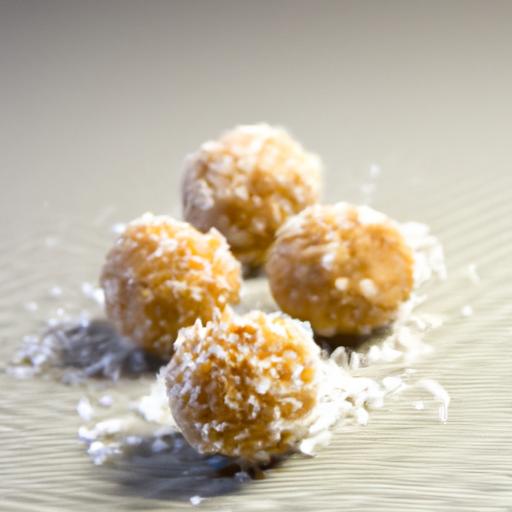

As autumn leaves begin to fall and the scent of pine fills the air, Catalonia prepares for one of its moast cherished culinary celebrations: the making of panellets. These petite, almond-based sweets, cloaked in pine nuts and kissed by lemon zest, are more than just a treat-they are edible history, a appetizing thread woven through generations. In this article, we’ll journey into the heart of Catalan tradition, uncovering the stories behind panellets and guiding you step-by-step on how to create these classic confections in your own kitchen. Whether you’re a seasoned baker or a curious foodie, get ready to embark on a flavorful adventure that’s as rich in culture as it is in taste.
Discovering the History and Cultural Significance of Panellets
Sweet Traditions: How to Make Classic Catalan Panellets invites you on a delicious journey into one of Catalonia’s most treasured holiday delights.These tiny almond marzipan confections, traditionally enjoyed during La Castanyada (All Saints’ Day), carry centuries of history wrapped in their sweet, slightly chewy texture and nutty aroma.
Panellets arose from humble beginnings during the Middle Ages, crafted to honor the changing seasons and the memory of departed loved ones. Often accompanied by roasted chestnuts and sweet moscatel wine, these bite-sized treats symbolize both remembrance and celebration. Each region of Catalonia boasts unique panellet variations, but the classic pine nut-topped version always stands out for its simplicity and flavour balance.
making panellets at home is more than baking-it’s an immersion in Catalan culture, a moment to connect with tradition, and a chance to impress family and friends with your mastery of this sweet art. Preparing these will fill your kitchen with the rich scent of almonds and spice, creating a warm atmosphere that echoes the festive spirit of southern Europe.
Prep and Cook Time
- Readiness: 25 minutes
- Resting time: 12 hours (overnight for dough settling)
- Baking: 12 minutes
- Total time: Approximately 13 hours (includes resting)
Yield
About 30 to 35 panellets, depending on the size you shape them.
Difficulty Level
Medium: Requires some kneading and shaping skills, plus patience for resting the dough properly to develop flavor and texture.
Essential Ingredients for Authentic and Flavorful Panellets
- 250g blanched almonds (freshly ground for best results)
- 200g granulated sugar
- 150g potato (peeled,boiled,and mashed)
- The zest of 1 lemon (organic preferred)
- 2 egg whites (room temperature,divided)
- 100g pine nuts (for classic topping)
- 1 teaspoon sweet anise seeds (optional,finely crushed for subtle aroma)
- Sunflower or neutral oil (for lightly greasing hands)
step-by-Step Guide to Crafting Perfectly Shaped panellets
- Prepare the almond base: Grind the blanched almonds finely using a food processor or mortar and pestle. The texture should resemble coarse flour but still retain some slight grain for authenticity.
- Combine:** In a large mixing bowl, blend the ground almonds, sugar, and lemon zest. Pass the cooked mashed potato through a sieve to ensure no lumps, then add it to the dry mixture.
- Incorporate egg whites: Slowly add one egg white, mixing with your hands or a spatula until a smooth, pliable dough forms. it should hold together but not be sticky. Cover with cling film and refrigerate overnight to rest.
- Shape the panellets: Once rested, take small portions of dough (about a tablespoon each). Roll them between your palms into small oval shapes or round balls.
- coat with pine nuts: Lightly beat the second egg white in a bowl. Dip each dough ball into the egg white,then roll promptly in pine nuts,pressing gently to adhere without crushing.
- Arrange on baking sheet: Place the coated panellets spaced slightly apart on a parchment-lined tray. Brush any leftover egg white over the nuts for glossy finish.
- Bake to golden perfection: Preheat the oven to 180°C (350°F). Bake for 10-12 minutes or until the pine nuts turn a delicate golden brown. Avoid over-baking to keep inside tender.
- Cool and serve: Remove from oven and let panellets cool entirely on a wire rack before serving or storing.
Tips and Tricks for Baking Panellets to Golden Perfection
- Use fresh almonds: The key to authentic flavor is grinding fresh,blanched almonds yourself rather than pre-ground marzipan or almond flour.
- Rest the dough: Overnight refrigeration lets the flavors meld and dough firm up,making it easier to shape perfectly smooth panellets.
- Egg white for glazing: Be sure to use cold egg whites and apply them gently to avoid melting pine nuts or excess moisture ruining the bake.
- Mind your oven temperature: Too hot,and pine nuts will burn quickly; too low,and panellets won’t brown. 180°C is the perfect middle ground.
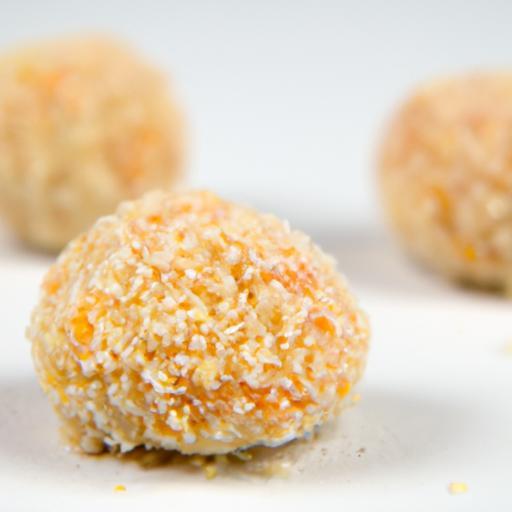
- Variations: For flair,consider rolling other portions in chopped walnuts,coconut flakes,or cocoa powder after egg wash,but always maintain the original pine nut version for ceremony and tradition.
- Make ahead: Panellets keep well in airtight tins for up to 5 days, making them an excellent make-ahead sweet treat.
Serving Suggestions
Present panellets on delicate ceramic platters dusted with edible gold or fresh thyme sprigs for a refined look. Pair them with a cup of strong Spanish coffee or a cool glass of sweet moscatel to honor the traditional pairing.
A sprinkle of powdered sugar or a light drizzle of orange blossom honey over the pine nuts elevates the visual appeal and introduces a touch of extra sweetness. For festive occasions, arrange panellets alongside roasted chestnuts and seasonal fruits, creating a colorful and aromatic tableau.
| Nutrition (per panellet) | Value |
|---|---|
| Calories | 85 kcal |
| Protein | 2g |
| Carbohydrates | 9g |
| Fat | 4g |

Looking for a savory complement to your sweet panellets? Explore our Catalan roasted vegetables, a perfect counterpart full of rustic Mediterranean flavors. For more on the rich heritage of Mediterranean almonds, visit Almond Board of California for expert insights.
Q&A
Q&A: Sweet traditions – How to Make Classic Catalan Panellets
Q1: What are panellets, and why are they important in Catalan culture?
A1: Panellets are delightful bite-sized almond pastries, traditionally enjoyed during the autumn festival of La Castanyada in Catalonia. These sweet treats embody a rich cultural heritage, symbolizing the transition to cooler months and honoring the harvest season. Their chewy almond base and variety of coatings make panellets a beloved staple at family gatherings and festive tables.
Q2: What are the essential ingredients for making classic panellets?
A2: The heart of any classic panellet lies in simple, quality ingredients: finely ground almonds (marzipan-style), sugar, lemon zest for a touch of brightness, and egg whites to bind the dough. Traditionally,panellets are topped with pine nuts,but variations often include other nuts or coatings. This minimalist palette allows the natural almond flavor to shine.
Q3: Is making panellets arduous for beginners?
A3: Not at all! Panellets are wonderfully approachable for bakers of all levels. The recipe focuses on mixing a few ingredients to create a pliable dough, shaping it into small balls, and decorating them before a fast bake. With a little attention to texture and oven timing, even novices can achieve delicious, authentic results.
Q4: How do you achieve the perfect texture in panellets?
A4: Texture is key! The dough should be smooth but not sticky, soft enough to shape easily but firm enough to hold form. Using finely ground almonds and carefully incorporating egg whites helps create the ideal chewiness. Baking them just until golden ensures a tender bite with a slightly crisp exterior.
Q5: Can panellets be customized while still honoring tradition?
A5: Absolutely! While pine nuts-covered panellets are the classic, the dough’s neutral flavor invites creativity. Some families add coconut flakes, cocoa powder, or roll the dough in sesame seeds. Experimenting with toppings or flavor infusions (like orange zest or cinnamon) can add a personal twist while respecting the essence of the sweet tradition.
Q6: What’s the best way to store panellets after baking?
A6: Panellets keep beautifully at room temperature when stored in an airtight container. They can stay fresh for up to a week, making them perfect for enjoying throughout the festive period. For longer storage, refrigeration is fine, but bring them back to room temperature before serving to regain their soft, chewy charm.
Q7: Are panellets gluten-free?
A7: Yes! Since panellets are made principally from almonds,sugar,and egg whites,they naturally contain no gluten. This makes them a fantastic treat for those with gluten sensitivities or celiac disease-provided that cross-contamination is avoided during preparation.
Q8: When is the traditional time to enjoy panellets?
A8: Panellets are traditionally savored during La Castanyada, celebrated on November 1st, which coincides with All Saints’ Day. This festival includes roasted chestnuts, sweet potatoes, and these charming almond treats, all symbolizing the arrival of autumn and ancestral remembrance.
Q9: What cultural story or symbolism do panellets carry?
A9: Beyond their delightful flavors, panellets carry symbolic meaning tied to mortality and renewal. Their round shapes and communal sharing during All Saints’ Day evoke reflections on family, life cycles, and honoring past generations-making each bite a celebration of heritage as much as taste.
Q10: Were can one find quality almonds suitable for panellets?
A10: For authentic flavor,seek out raw,blanched almonds that can be finely ground at home or purchase pre-ground almond flour labeled “for marzipan” or fine pastry use. Specialty or mediterranean markets often carry almonds ideal for panellets, ensuring that your sweet tradition starts with top-notch ingredients.
Key Takeaways
As the aroma of pine nuts and sugar lingers in your kitchen, you’ll realize that making panellets is more than just a recipe-it’s a sweet journey into Catalonia’s rich cultural tapestry. These little delights, with their tender almond centers and delicate coatings, carry stories of harvest celebrations and family gatherings, passed down through generations. By crafting your own panellets, you’re not onyl savoring authentic flavors but also embracing a cherished tradition that sweetens the festive season. So gather your ingredients, roll up your sleeves, and let the timeless magic of panellets bring a taste of Catalan heritage to your table-one bite at a time.