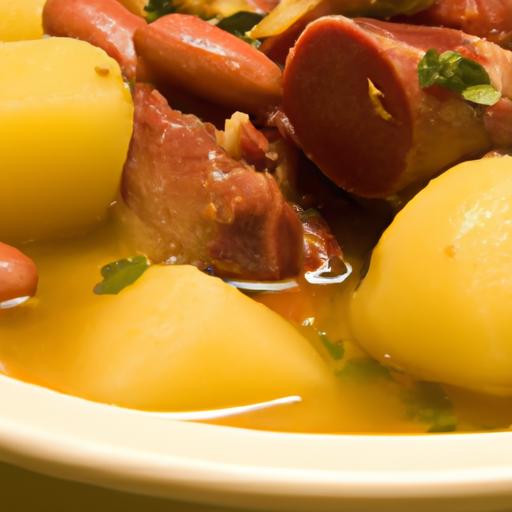

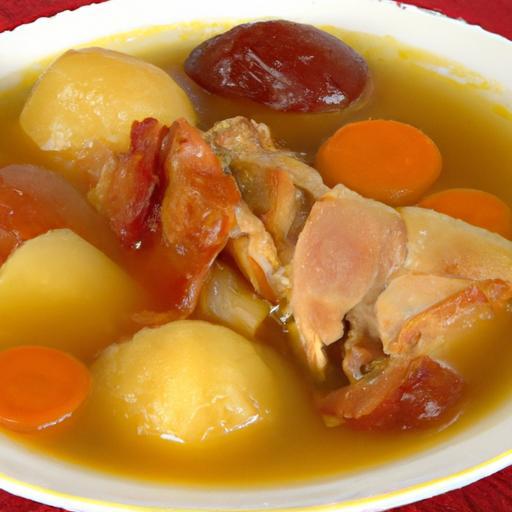
In teh heart of Spain’s bustling capital lies a culinary treasure that has long warmed both stomachs and spirits: Cocido Madrileño. more than just a stew, this beloved Madrid tradition is a rich tapestry of flavors, history, and culture simmered together in a pot. Every hearty spoonful tells a story of rustic roots and communal gatherings, inviting food lovers to savor the essence of Spanish comfort cooking. Join us as we delve into the origins, ingredients, and timeless appeal of cocido Madrileño, uncovering why this iconic dish remains a celebrated symbol of Madrid’s gastronomic heritage.
Cocido Madrileño stands as a cornerstone of Madrid’s culinary heritage, embodying both the region’s rich history and its love for hearty, comforting fare. This customary Spanish stew has warmed countless families through chilly winters, blending humble ingredients into a symphony of flavors that is both soulful and satisfying. Originating as a peasant dish designed to maximize nourishment with simple pantry staples, Cocido Madrileño has as evolved into an emblem of Spanish gastronomy-celebrated in homes and restaurants alike.
Prep and Cook Time
- Planning Time: 30 minutes
- Cook Time: 2 hours 30 minutes
- Total Time: 3 hours
Yield
- Serves 6 hearty portions
Difficulty Level
- Medium (requires attentive simmering and layering of flavors)
Key Ingredients for an Authentic Cocido Madrileño Experience
- 1 lb chickpeas (garbanzo beans),soaked overnight
- 1 large onion,peeled and halved
- 2 large carrots,peeled and cut into chunks
- 1 medium leek,cleaned and chopped
- 3 medium potatoes,peeled and quartered
- 1 celery stalk,chopped
- 1 bay leaf
- 8 cups vegetable broth (homemade or low-sodium store-bought)
- 1 whole chicken leg quarter (skin removed for a lighter version)
- 1 smoked beef brisket (about 12 oz),trimmed
- 8 oz lean beef shank or oxtail,trimmed
- Salt and freshly ground black pepper,to taste
- Extra virgin olive oil (for drizzling)
- Fresh parsley,chopped (for garnish)
Traditional Preparation Methods: Step-by-Step Instructions
- Prepare Chickpeas: Drain soaked chickpeas and rinse thoroughly. In a large heavy-bottomed pot, combine chickpeas with vegetable broth and bay leaf. Bring to a gentle simmer.
- Add Meats and Vegetables: Slowly add the chicken leg quarter,smoked beef brisket,and beef shank to the pot. Skim off any foam carefully to maintain a clear broth.
- Simmer Slowly: Maintain a gentle simmer over low heat for about 2 hours, partially covered. This slow cooking extracts rich, deep flavors creating a robust broth.
- add Root Vegetables: Add carrots,celery,leek,and potatoes to the pot. Continue simmering for another 30 minutes until tender but not mushy.
- Strain the Broth: Carefully remove all meat and vegetables with slotted spoons. Set aside meats and vegetables separately to rest and cool slightly.
- Prepare the Soup Course: Optionally, strain the broth through a fine sieve for a clear consommé.Season with salt and pepper, reheat gently and serve as the first course with thin noodles or rice.
- Serve Meats and Vegetables: slice the meats and arrange on a large platter alongside the chickpeas and vegetables.Drizzle with extra virgin olive oil and sprinkle fresh parsley over the top for brightness.
- Final Touches: for a traditional finish,serve with crusty bread and a side of mild alioli or fresh tomato salad to balance the stew’s richness.
Chef’s Notes and tips for Success
- Soaking Chickpeas: Essential for tender chickpeas and quicker cooking-overnight soaking or at least 8 hours is recommended.
- Meat Alternatives: If beef brisket is unavailable, try smoked turkey breast or lamb shanks as flavorful substitutes that retain the dish’s heartiness.
- Flavor Boosters: Add a smoked paprika pinch (pimentón dulce) for a subtle smoky warmth that complements the stew.
- Make-Ahead: Cocido Madrileño tastes even better the next day as flavors meld. Refrigerate ingredients separately and reheat gently to serve.
- Low-Sodium Option: Use homemade broth and salt sparingly to control sodium levels.
Serving suggestions and Seasonal Variations
Serving Cocido Madrileño in layers is traditional and visually stunning. Begin with the clear broth as a delicate first course, followed by a plate of chickpeas and root vegetables, and finish with the chopped meats arranged artfully on a communal platter.
In colder months, add roasted winter squash or caramelized onions for added sweetness and texture. During spring, fresh spinach sautéed lightly with garlic fits beautifully alongside.
Garnish generously with fresh parsley and a drizzle of good quality extra virgin olive oil. Serve with toasted rustic bread to soak up the flavors, and a simple side salad of vine-ripened tomatoes to add freshness.
Where to savor the Best Cocido Madrileño in Madrid
For an authentic Cocido Madrileño experience, Casa Carola and El Molino de la Dona are top local favorites known for their rich, flavor-packed versions of this traditional stew. These restaurants emphasize slow cooking and premium quality ingredients,offering a multi-course Cocido experience that captures the very essence of Madrid’s culinary soul.
| nutrition per Serving | Calories | protein | Carbs | Fat |
|---|---|---|---|---|
| Cocido Madrileño | 550 kcal | 45 g | 40 g | 18 g |

Discover the comforting depth of Cocido Madrileño,a dish that perfectly represents Madrid’s culinary tradition with every warm,satisfying spoonful.
For further exploration on Spanish stews, check out our article on Traditional Spanish Stews: Beyond Cocido.
Q&A
Q&A: Cocido Madrileño – Madrid’s Hearty Spanish Stew Tradition
Q1: What is Cocido Madrileño?
A1: Cocido Madrileño is a beloved traditional stew from Madrid, renowned for its rich, comforting flavors and hearty ingredients. This layered dish typically includes chickpeas, a variety of vegetables, and carefully selected meats – all slowly simmered to create a deeply satisfying meal that warms both body and soul.
Q2: How did Cocido Madrileño become a staple in Madrid’s cuisine?
A2: Cocido Madrileño has roots that reach back centuries, evolving from simple peasant fare into a symbol of Madrid’s culinary identity. The stew’s popularity grew as locals embraced its nourishing qualities and flexible preparation, making it a perfect dish for the city’s colder months and festive gatherings alike.
Q3: What are the main ingredients in Cocido Madrileño?
A3: The core of Cocido Madrileño starts with chickpeas, which add a creamy texture and earthy flavor. Alongside these are a variety of vegetables such as potatoes, carrots, cabbage, and sometimes turnips or leeks. For protein, traditional versions frequently enough include cuts of beef, chicken, and sometimes cured or smoked beef products – carefully chosen to enhance the stew’s depth without overpowering the natural essence of the ingredients.
Q4: How is Cocido Madrileño traditionally served?
A4: Cocido Madrileño is commonly served in stages, embracing a unique dining ritual. First comes the broth, a clear and flavorful soup made from the stew’s simmering liquid, often enjoyed with noodles or rice. Then, the chickpeas and vegetables are plated, followed by the tender meats. This progression allows each element to shine on its own, celebrating the stew’s layered complexity.
Q5: Are there any regional or modern variations of Cocido Madrileño?
A5: definitely! While the classic recipe sticks close to Madrid’s heritage, many cooks experiment by incorporating seasonal vegetables or swapping traditional meats for poultry or beef cuts with unique textures.Some modern interpretations also tweak the herbs and spices to reflect contemporary palates, but the heart of the stew – slow cooking and balanced flavors – remains unchanged.
Q6: What makes Cocido Madrileño special compared to other Spanish stews?
A6: Cocido Madrileño stands out for its unique three-course serving approach and the harmonious blend of ingredients that capture Madrid’s culinary history. Unlike other stews that mix everything together, Cocido Madrileño’s thoughtful separation invites diners to appreciate the depth and identity of each component, creating a rich sensory experience that truly celebrates traditional Spanish hospitality.
Q7: Can Cocido Madrileño be prepared for a vegetarian diet?
A7: While the classic Cocido Madrileño centers around meat, it can be wonderfully adapted into a vegetarian version by focusing on hearty vegetables, legumes, and flavorful broths made from mushrooms, smoked paprika, and other spices. This approach still honors the spirit of the dish – a warming,nourishing stew – without compromising on taste or tradition.
Q8: What occasions are best for enjoying Cocido Madrileño?
A8: Cocido Madrileño is a perfect feature for family gatherings, chilly winter days, and festive celebrations. Its slow-cooked nature allows it to bring people together around the table, encouraging long conversations and shared enjoyment, making it much more than just a meal – it’s a cultural experience.
Q9: Is Cocido Madrileño challenging to prepare at home?
A9: Though it requires time and patience to develop its signature flavors, Cocido Madrileño is relatively straightforward to prepare. The key is to use quality ingredients and allow the stew to simmer gently for several hours. With some planning and love, anyone can recreate this Madrid classic in their own kitchen.
Q10: What tips would you give to someone trying Cocido Madrileño for the first time?
A10: Approach Cocido Madrileño with an open heart and a hungry appetite! take your time to savor each stage of the dish – the broth, the chickpeas with vegetables, then the meats. Pair it with crusty bread and enjoy it slowly. It’s not just about eating; it’s about embracing a centuries-old tradition that speaks through every warm bite.
in Retrospect
As the final spoonful of cocido Madrileño warms your soul, you’re not just savoring a stew-you’re partaking in centuries of Madrid’s culinary heritage. This hearty medley, rich with tender meats, vibrant chickpeas, and fragrant vegetables, embodies more than just flavor; it tells a story of community, tradition, and the simple joys of sharing a meal. Whether enjoyed in a bustling city taberna or recreated in your own kitchen, Cocido Madrileño invites you to taste the heart of Madrid-one comforting bite at a time. So next time you seek a dish that’s as nourishing as it is timeless,remember this beloved Spanish classic and let its savory warmth transport you straight to the vibrant streets of the capital.