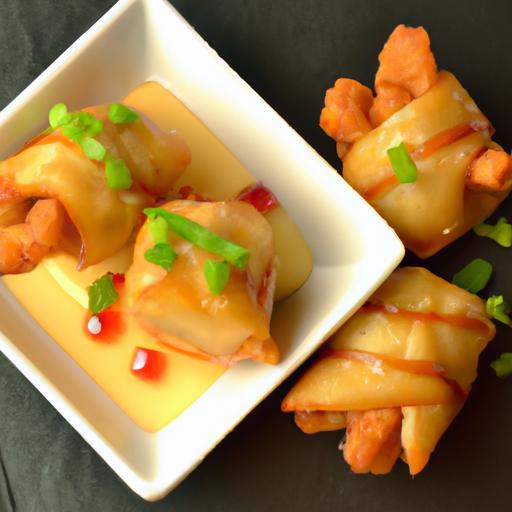

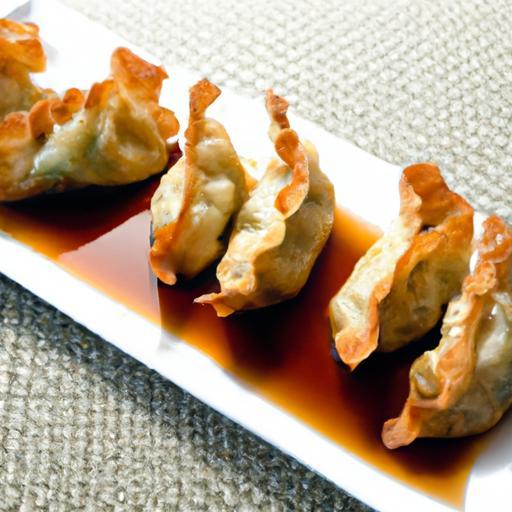
Hidden beneath a golden, crispy shell lies a little parcel of flavor that has captured the hearts-and palates-of food lovers around the world: Crab Rangoon. Often found nestled among the favorites on Chinese-American takeout menus, this delectable appetizer has a story as rich and intriguing as its creamy, tangy filling. But where did Crab rangoon originate, and what makes its combination of cream cheese, crab, and spices so irresistibly delicious? In this article, we unwrap the history and delve into the delicious secrets behind Crab Rangoon, tracing its journey from kitchen curiosity too beloved classic.Prepare to uncover the tale behind every bite.
The Art of the Perfect Filling: Exploring Ingredients and Flavor Combinations
Crab Rangoon Unwrapped: History and Delicious Secrets begins with understanding the heart of this beloved appetizer-the filling. This creamy, savory centre is a delicate dance between bold crab flavor and smooth, tangy cream cheese. Traditionally skyrocketing from American-Chinese fusion restaurants rather than China itself, Crab RangoonS filling marries simple ingredients into a luxurious bite.
The filling’s soul is fresh crab meat blended with cream cheese, but layering in flavors like finely minced green onions, a touch of garlic powder, and a hint of soy sauce takes it beyond basic, offering an irresistible umami undertone. You can elevate your filling by adding a splash of sesame oil or a pinch of white pepper for mild heat, creating depth without overpowering the creamy texture.
Experimenting with texture is key: fold in crisp water chestnuts for crunch or shredded fresh ginger to add a subtle zing.Balancing the saltiness with a whisper of sweetness from a drizzle of honey or a little finely diced bell pepper complements the savory crab beautifully. For those seeking a modern twist,swapping cream cheese for a ricotta blend or incorporating diced sun-dried tomatoes can customize your Crab Rangoon filling into a vibrant,memorable delicacy.
cooking Techniques That Elevate Texture from Crispy Edges to Creamy Centers
Cooking Crab Rangoon to perfection is truly an art form. The contrast between a golden,crisp shell and a lusciously creamy inside is what defines a flawless bite. To achieve this, precise control over frying temperature and filling quantity is crucial. Use a deep-frying oil heated steadily to around 350°F (175°C) – hot enough to crisp the wonton wrappers quickly without absorbing oil excessively.
Each wonton should be sealed tightly around just enough filling to allow for expansion,preventing breakage or greasy pockets. Before frying, lightly dust the finished pockets with cornstarch to enhance crunch and help seal edges. Fry in small batches to maintain oil temperature, flipping gently halfway through to achieve even browning. For a healthier alternative, a quick bake at 400°F (205°C) for 12-15 minutes brushed with oil yields a slightly lighter but still satisfyingly crisp texture.
Serve immediately after cooking to preserve the contrast between crisp edges and the molten, flavorful filling. A gentle squeeze of fresh lime or a dusting of toasted sesame seeds just before serving adds visual appeal and flavor zest, making your Crab Rangoon irresistible.
Serving Suggestions and Pairings to Enhance Your Crab Rangoon Experience
Crab Rangoon Unwrapped: History and Delicious secrets comes alive with thoughtful presentation and pairing choices. These delicate pockets shine as starters or party bites but reach new heights when paired with complementary condiments. A classic dip of sweet chili sauce or tangy plum sauce adds sweetness and heat, while a soy-ginger vinaigrette injects brightness and complexity.
For a refreshing contrast, serve alongside a crisp cucumber salad tossed with rice vinegar and sesame seeds or a bowl of miso soup accented with scallions. If you crave richness, a dollop of wasabi mayo or a drizzle of creamy sriracha aioli can spice things up without overpowering the crab’s delicate notes.
Garnishing with fresh herbs like chopped cilantro, sliced green onions, or even edible flowers can transform your plating into an Instagram-worthy spread. Pair Crab Rangoon with light, aromatic teas such as jasmine or oolong for a balanced culinary experience that gently cleanses the palate between bites.
Prep and Cook Time
- Prep Time: 20 minutes
- Cook Time: 10 minutes
- Total Time: 30 minutes
Yield
Approximately 24 Crab Rangoon pieces
Difficulty Level
Easy to Medium: Perfect for both confident home cooks and eager beginners wanting to impress.
Ingredients
- 8 oz fresh crab meat, picked clean of shells
- 4 oz cream cheese, softened
- 2 green onions, finely sliced
- 1 tsp soy sauce
- ½ tsp garlic powder
- ½ tsp white pepper
- 1 tsp sesame oil
- 1 tbsp finely minced water chestnuts (optional for crunch)
- 24 wonton wrappers
- Oil for frying (vegetable or canola)
- 1 tsp cornstarch (for dusting)
Instructions
- Prepare the filling: In a medium bowl, gently fold together fresh crab meat, softened cream cheese, finely sliced green onions, soy sauce, garlic powder, white pepper, sesame oil, and water chestnuts until evenly combined. Avoid overmixing to preserve texture.
- Fill the wontons: lightly dust your workspace and each wonton wrapper with cornstarch to prevent sticking. Place a teaspoon of filling in the center of each wrapper.
- Fold and seal: Moisten the edges of the wrapper with water using your fingertip. Fold diagonally to form a triangle, pressing edges firmly to seal. For a more decorative fold, bring corners together and pinch tightly to form a pouch. Set aside on a parchment-lined tray.
- Heat oil: Fill a deep skillet or fryer with about 2 inches of oil.Heat to 350°F (175°C). Maintain temperature for optimal crunch without excess oil absorption.
- Fry the Crab Rangoon: Carefully add several wontons to the hot oil, avoiding overcrowding.Fry for 2-3 minutes per side until golden brown and crisp. Flip gently to cook evenly. Use a slotted spoon to transfer them to a paper towel-lined plate.
- Serve immediately: Arrange on a platter and garnish with chopped green onions or toasted sesame seeds. Pair with your favorite dipping sauces to complete the experience.
Chef’s Notes: Tips for Success
- Substitutions: for dairy-free options, try blending mashed silken tofu with a touch of tahini to replicate cream cheese texture, though flavor will be milder.
- Make-ahead: Assemble and freeze uncooked Crab Rangoon on parchment paper trays. Transfer to freezer bags and fry straight from frozen, adjusting frying time slightly longer.
- Prevent sogginess: Ensure oil is hot enough before frying. Low temperatures lead to oily, soft wrappers. Use a thermometer to maintain steady heat.
- Variations: Add finely chopped fresh herbs like cilantro or chives for freshness or a dash of chili flakes for subtle heat.
- Leftovers: Reheat in a 375°F oven for 5-7 minutes to bring back crispness without drying the filling.
Nutrition per Serving (4 Crab Rangoon)
| Calories | Protein | Carbohydrates | Fat |
|---|---|---|---|
| 280 kcal | 10 g | 20 g | 18 g |
Discover more delicious Asian appetizer recipes
For further reading on the cultural journey of Crab Rangoon, visit Smithsonian Magazine.

Q&A
Q&A: Crab Rangoon Unwrapped: History and Delicious Secrets
Q1: what exactly is Crab Rangoon?
A1: Crab Rangoon is a popular appetizer found in many American-Chinese restaurants,featuring crispy wonton wrappers filled with a creamy mixture of crab (often imitation crab or real crab meat),cream cheese,and savory seasonings,than deep-fried to golden perfection. The result is a delightful blend of crunchy, creamy, and slightly tangy flavors that have won many fans.
Q2: Where did Crab Rangoon originate?
A2: surprisingly, Crab Rangoon is a creation of American-Chinese cuisine rather than conventional Chinese cooking. It is believed to have been invented in mid-20th-century America, likely at Trader Vic’s, a Polynesian-themed restaurant popularizing “exotic” dishes. The filling’s cream cheese twist emphasizes its American roots, blending East Asian flavors with Western ingredients.
Q3: Why is it called “Rangoon”?
A3: The name “Rangoon” references the former capital of Myanmar (formerly Burma), lending an exotic flair that appealed to American diners seeking adventurous flavors. However, the dish itself doesn’t have historical ties to burmese or traditional Chinese cuisine. It’s more a romanticized invention inspired by Asian culinary themes.
Q4: What makes the Crab Rangoon filling so special?
A4: The magic lies in the creamy blend of crab meat and cream cheese, often enhanced with garlic, green onions, and a touch of Worcestershire or soy sauce for umami depth. This filling balances richness and subtle seafood sweetness, while the crispy fried wrapper adds the satisfying crunch that elevates each bite.
Q5: Are there vegetarian versions of Crab Rangoon?
A5: Absolutely! many chefs and home cooks replace crab with heart of palm, artichokes, or finely chopped mushrooms to mimic the texture and oceanic flavor. Combined with cream cheese and seasonings, these vegetarian Crab Rangoons offer a similar taste experience for those avoiding seafood.
Q6: What’s the best way to enjoy Crab Rangoon?
A6: Crab Rangoon is often served with dipping sauces such as sweet and sour sauce, plum sauce, or a tangy chili sauce. For a creative twist, drizzle with a tangy sriracha mayo or pair with a fresh cucumber salad to balance the fried richness.
Q7: Can Crab Rangoon be baked instead of fried?
A7: Yes! baking Crab Rangoon is a lighter alternative that still delivers delightful flavor and some crunch. To get the best results, brush the wontons lightly with oil and bake at a high temperature until golden brown. Though the texture differs slightly from frying, it’s a tasty, less oily way to enjoy the dish.
Q8: What is the cultural meaning of Crab Rangoon today?
A8: Beyond its origin as a novelty appetizer, Crab Rangoon has become a beloved comfort food that symbolizes culinary fusion-a tasty testament to how American tastes have blended global influences. It’s a reminder that food history is dynamic, with recipes constantly evolving through cultural exchange.
Q9: What are some creative twists on traditional Crab rangoon?
A9: Chefs have experimented with adding ingredients like diced jalapeños for a spicy kick, swapping cream cheese for goat cheese for tanginess, or incorporating fresh herbs like cilantro or dill. Some even fold in citrus zest or substitute crab with lobster or shrimp to elevate the luxury factor.
Q10: Any tips for making perfect Crab Rangoon at home?
A10: Keep the filling chilled before wrapping to make handling easier, and don’t overfill to avoid leaks. Seal the wonton edges tightly, using water as adhesive, and fry in hot oil (around 350°F/175°C) for a quick golden crispness.Serve fresh and hot for the ultimate crunchy-creamy delight!
This Q&A brings you closer to the story and flavors of Crab Rangoon-an American culinary invention wrapped in crispy mystery and creamy delight!
Concluding Remarks
As we fold the final edges of Crab Rangoon’s story,it’s clear that this crispy,creamy delight is much more than just a popular appetizer.From its debated origins blending East and West to the secret ingredients that make each bite a perfect harmony of flavors, Crab Rangoon continues to captivate palates around the world. Whether you savor it at your favorite Chinese-American restaurant or try your hand at making it from scratch, you’re tasting a piece of culinary history wrapped in golden, crispy perfection.So next time you dip that triangular treasure into sweet and sour sauce, remember-the story behind Crab Rangoon is as rich and layered as its irresistible filling.