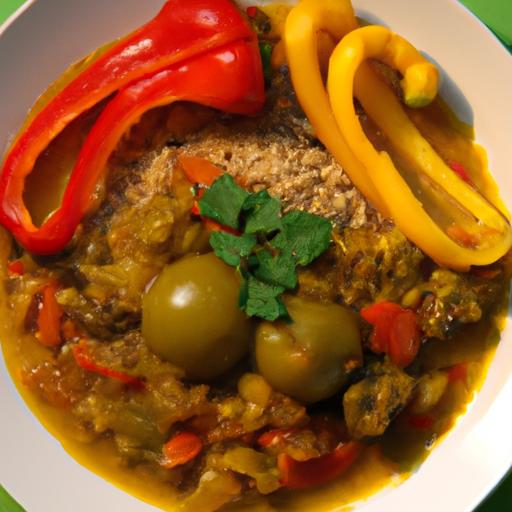

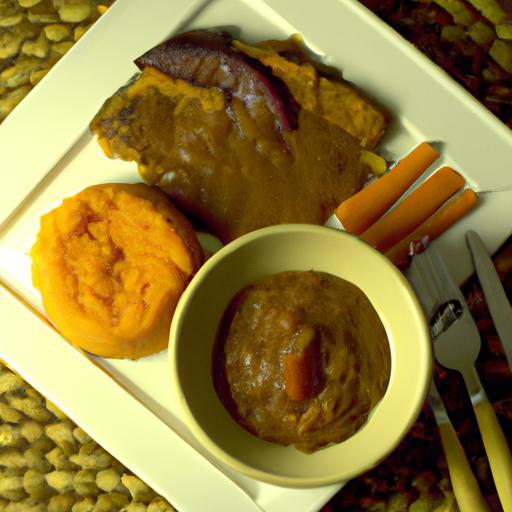
In the heart of Ethiopia’s vibrant culture lies a dish that is much more than just a meal-it is indeed a flavorful tapestry woven with history, tradition, and fiery passion. Doro Wat,frequently enough hailed as Ethiopia’s national stew,invites food lovers on a spicy journey that tantalizes the senses and tells a story centuries in the making. Rich with aromatic spices, simmered to perfection, and steeped in communal ritual, this beloved chicken stew transcends mere ingredients to become a symbol of Ethiopian identity and festivity. Join us as we explore the layers of flavor and heritage behind Doro Wat-a culinary adventure that offers a appetizing glimpse into the soul of Ethiopia.
Ethiopian Doro Wat is much more than just a hearty stew; it is a vibrant culinary treasure rooted deep in Ethiopian heritage and tradition.This beloved spicy chicken dish brings families and communities together during joyous occasions and religious holidays, symbolizing warmth, generosity, and cultural pride. Infused with the fiery complexity of berbere spice blend, doro wat’s intense flavor profile is both comforting and exhilarating, inviting you on an authentic journey into one of Africa’s most cherished cuisines.
Prep and Cook Time
- Planning: 25 minutes
- Cooking: 1 hour 30 minutes
- Total Time: 1 hour 55 minutes
Yield
- Serves 6 people generously
Difficulty Level
- Medium – Requires attention to layering flavors and slow simmering
Ingredients
- 1.5 lbs chicken drumsticks or thighs, skin removed
- 3 large red onions, finely chopped
- 4 cloves garlic, minced
- 1 tablespoon fresh ginger, grated
- 3 tablespoons berbere spice blend (see below)
- 1/4 cup niter kibbeh (Ethiopian spiced clarified butter) or unsalted butter
- 1/4 cup vegetable oil
- 2 cups chicken broth or water
- salt to taste
- 6 hard-boiled eggs, shells removed (optional but traditional)
- Juice of half a lemon
- Fresh cilantro (optional for garnish)
Mastering the Art of Berbere Spice Blend
Berbere is the soul of Ethiopian Doro Wat, combining chili peppers, paprika, fenugreek, ginger, and a fragrant mix of warm spices such as cardamom and cinnamon. To capture an authentic flavor, prepare your blend fresh or source a high-quality ethiopian berbere. This mix lends a fiery heat and deep complexity that defines the dish’s character.
Step-by-Step Guide to Preparing Traditional doro Wat at Home
- prepare the onions: In a large heavy-bottomed pot,heat the vegetable oil over medium heat. Add the finely chopped onions and sauté slowly, stirring frequently, until they turn a deep golden brown, about 25-30 minutes. This slow caramelization builds the stew’s rich base flavor.
- Add garlic and ginger: Stir in the minced garlic and grated ginger, cooking for 2-3 minutes until fragrant, careful not to let them burn.
- Incorporate the berbere: Mix in the berbere spice blend thoroughly. Cook for another 4-5 minutes, stirring constantly to toast the spices and unlock their aroma.
- Blend in niter kibbeh: Pour in the niter kibbeh or unsalted butter to deepen the stew’s richness and smooth texture.
- Brown the chicken: Season the chicken drumsticks with salt and lemon juice.Add the pieces to the pot, turning them gently to coat evenly with the sauce. Let them brown lightly for about 8 minutes, turning occasionally.
- add broth and simmer: Pour in chicken broth or water, ensuring the chicken is just covered. Bring to a low boil, then reduce heat to a gentle simmer. Cover the pot and cook for 1 hour to allow the flavors to meld and the chicken to become tender.
- Boil and add eggs: During the last 15 minutes,nestle the peeled hard-boiled eggs into the sauce,spooning doro wat over them to absorb the flavors.
- Final seasoning: Taste and adjust salt. Simmer uncovered for another 5-10 minutes to thicken the sauce if needed.
Chef’s Notes
- For a vegetarian twist, substitute chicken with chickpeas or mushrooms, but remember, traditional doro wat is a chicken-based stew.
- Patience is key-slowly caramelizing the onions and toasting the berbere spices are crucial for developing authentic deep flavors.
- Niter kibbeh can be made at home by gently clarifying butter with aromatics like garlic, ginger, and warm spices; it adds an unmatched fragrance.
- Prepare the berbere blend ahead to save time, storing it in an airtight container away from heat and light.
- Use a heavy-bottomed Dutch oven for even cooking that prevents burning and helps the sauce thicken beautifully.
Serving suggestions
Traditionally, serve this rich, fiery stew atop injera, Ethiopia’s sourdough flatbread made from teff flour. Injera acts as both plate and utensil-tear off pieces to scoop up generous portions of doro wat and boiled eggs. Garnish with fresh cilantro or thinly sliced spring onions for a pop of color and freshness. Pair the meal with a side of Ethiopian-style salads for balance.Encourage diners to enjoy the communal sharing experience, embracing the joyful Ethiopian dining etiquette of feeding one another and savoring every bite together.
| Nutrient | Per Serving |
|---|---|
| Calories | 370 kcal |
| Protein | 32 g |
| Carbohydrates | 10 g |
| Fat | 22 g |

For a deeper dive into Ethiopian spices, visit britannica’s overview of Berbere.
Q&A
Q&A: Ethiopian Doro Wat: A Spicy Journey into Tradition
Q1: What is Doro Wat and why is it considered a cornerstone of Ethiopian cuisine?
A1: Doro Wat is a deeply spiced Ethiopian chicken stew that embodies the heart and soul of the country’s culinary traditions. It’s more than just a dish-it’s a flavorful story steeped in history, communal gatherings, and celebration. The rich, fiery stew is a symbol of Ethiopian hospitality and is traditionally served during major holidays and family feasts.
Q2: What are the essential ingredients that give Doro Wat its distinctive flavor?
A2: The magic of doro Wat lies in its bold blend of spices and carefully layered ingredients.Key among them is berbere-a complex, fiery spice mix that blends chili peppers, garlic, ginger, fenugreek, and a host of aromatic seeds. Alongside berbere, niter kibbeh (a spiced clarified butter), onions, garlic, and hard-boiled eggs contribute to the stew’s rich texture and captivating depth.
Q3: How is Doro Wat traditionally prepared?
A3: Preparing Doro Wat is a labor of love that requires patience and attention. Onions are slowly caramelized without oil initially, until soft and golden, which forms the stew’s flavor base. Then, berbere and niter kibbeh are added to create a fragrant, spicy foundation. Chicken pieces simmer in this sauce for an extended period, allowing the flavors to meld into a harmonious, hearty dish. Hard-boiled eggs are often nestled into the stew towards the end, soaking up the spicy goodness.
Q4: Why are hard-boiled eggs included in Doro Wat?
A4: Hard-boiled eggs serve both a practical and symbolic role in Doro Wat. They absorb the rich, spicy sauce, adding a unique taste and texture contrast to the tender chicken. Symbolically, eggs often represent fertility and new beginnings, making them a meaningful addition during festive occasions when Doro Wat is served.
Q5: How is Doro Wat typically enjoyed in Ethiopian culture?
A5: doro Wat is traditionally enjoyed communal style, served atop injera-a spongy, sourdough flatbread made from teff flour. Diners use their hands to scoop up the stew with injera, fostering a sense of connection and sharing. This ritual not only delights the palate but also strengthens community bonds around the table.
Q6: Can Doro Wat be adapted for different diets or occasions?
A6: While chicken is central to classic Doro Wat, its flavor profile and cooking techniques can inspire variations using other proteins, such as lamb or beef, or even hearty vegetables for a vegetarian twist. Regardless of adaptation, the key is preserving the rich spices and slow-cooked depth that make Doro Wat a celebration of Ethiopian heritage.
Q7: What cultural importance does Doro wat hold during Ethiopian celebrations?
A7: Doro Wat is more than a festive dish-it’s a symbol of Ethiopian identity and unity. Served during holidays like Ethiopian Orthodox Christmas and Easter, it brings families and communities together, honoring tradition and reinforcing cultural pride through every fiery, flavorful bite.
Q8: How can someone new to Ethiopian cuisine best approach tasting Doro Wat for the first time?
A8: Approach Doro Wat with an open palate and a sense of adventure. Expect a balance of heat, complexity, and comforting richness. Enjoy it with injera to experience the authentic textural and flavor harmony. Savor the layers slowly, allowing the spices to tell their centuries-old story bite by bite.
In Retrospect
As the rich aroma of berbere spice lingers in the memory,Ethiopian Doro Wat stands not just as a dish,but as a flavorful testament to a heritage steeped in tradition and communal celebration. This spicy stew, with its deep, complex layers of heat and history, invites us to savor more than just food-it invites us to experience a cultural journey that has simmered through generations.Whether shared around a bustling table or enjoyed in quiet reflection,Doro Wat remains a vibrant bridge between past and present,reminding us that every spicy bite tells a story worth tasting.