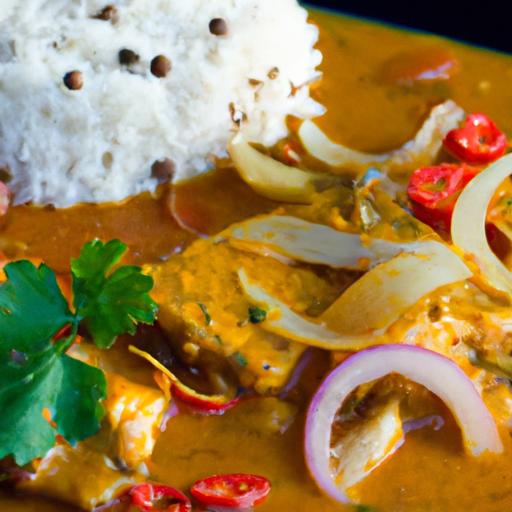

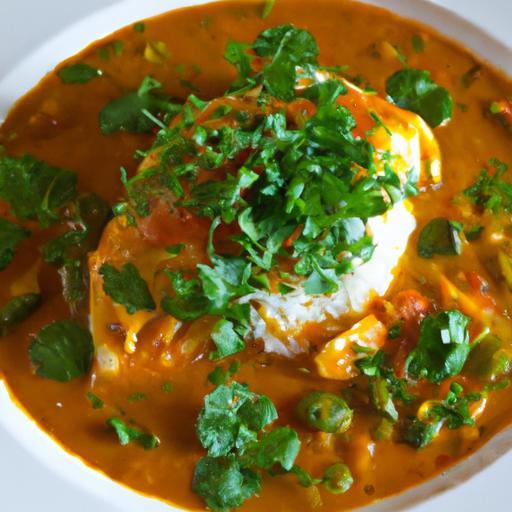
India’s vast coastline is a treasure trove of culinary wonders, where the waves meet aromatic spices in a harmonious dance of flavor. Among these coastal gems, Indian fish curry stands out as a vibrant testament to the country’s rich maritime heritage. From the tangy tamarind-infused broths of the south to the fiery coconut-based stews of the west, each regional rendition tells a unique story of tradition, culture, and local bounty. In this exploration of Indian fish curry, we dive deep into the diverse ingredients, cooking techniques, and cultural importance that make this dish not just a meal, but a flavorful celebration of India’s coastal soul.
Origins and Regional Variations of Indian Fish Curry
Exploring indian fish curry introduces you to a captivating journey along India’s extensive coastline, where every region crafts a unique expression of this beloved dish. From the tangy, coconut-enriched curries of Kerala to the mustard and poppy seed-infused gravies of Bengal, Indian fish curry reflects the rich maritime culture and local ingredients of it’s homeland. Each version reveals distinct influences: South Indian varieties often highlight tamarind and curry leaves, while Goan renditions bring in kokum and fragrant spices, demonstrating the diversity that makes this dish a flavorful coastal delight.
Growing up near the Arabian Sea, I vividly remember the intoxicating aroma of freshly ground spices mingling with fresh fish sizzling in clay pots. That memory inspired me to recreate the essence of Indian fish curry in every home kitchen – a dish that effortlessly balances robust heat and delicate seafood sweetness while celebrating the heritage of its region.
Key Ingredients and Spices That Define the Flavor Profile
The soul of Indian fish curry lies in the perfect harmony of its components. Here are the indispensable ingredients that make the curry irresistible:
- Fresh firm white fish - varieties like kingfish, pomfret, or cod work best for their texture and ability to hold the curry.
- Tamarind paste – lends a signature tangy brightness typical of many coastal curries.
- Mustard seeds and fenugreek seeds – for a subtle bitterness and rustic depth.
- Curry leaves – infuse an unmistakable aromatic citrus note.
- Chili powder and fresh green chilies - for layered, warming heat.
- Turmeric – adds earthiness and a golden hue.
- Grated coconut or coconut milk – especially in southern versions,to mellow the spices and enrich the gravy.
- Fresh ginger and garlic paste – foundational aromatics.
- Onions and tomatoes – to build body and natural sweetness in the sauce.
These key elements combine to create a layered experience of heat, tang, and umami – a hallmark of Indian fish curry’s robust coastal flavor.
Step-by-Step Guide to Preparing an Authentic Indian Fish Curry
Mastering Indian fish curry is both simple and satisfying. Follow these steps to create a vibrant, true-to-tradition curry that bursts with coastal charm.
Prep and Cook Time: 15 minutes prep | 30 minutes cook
Yield: Serves 4 generously
difficulty Level: Medium
- 500g firm white fish fillets, cut into bite-sized pieces
- 2 tbsp tamarind paste
- 1 tbsp mustard seeds
- 1 tsp fenugreek seeds
- 10 fresh curry leaves
- 2 medium onions, finely sliced
- 2 medium tomatoes, chopped
- 2 tsp ginger-garlic paste
- 1 tsp turmeric powder
- 2 tsp chili powder (adjust to taste)
- 1 tsp coriander powder
- 1 fresh green chili, slit
- 1 cup coconut milk (optional but recommended)
- 3 tbsp vegetable oil or coconut oil
- Salt to taste
- Fresh cilantro, chopped (for garnish)
- Prep the tamarind water: Mix tamarind paste with ¾ cup warm water, stir well, and set aside.
- Temper the spices: Heat oil over medium flame in a deep pan. Add mustard seeds and fenugreek seeds; when they start to pop, toss in curry leaves and sauté for 30 seconds until fragrant.
- Sauté onions: Add sliced onions and green chili, cooking until soft and golden-about 7 minutes-stirring occasionally to prevent sticking.
- Add ginger-garlic paste: Stir into onions and cook for 1-2 minutes until raw aroma disappears.
- Spice it up: Lower heat and add turmeric, chili powder, and coriander powder. Stir vigorously to roast the spices without burning, about 1 minute.
- Build the curry base: Add tomatoes and cook until they break down into a thick sauce, roughly 5 minutes.
- Pour in tamarind water: Stir well and let it simmer for 10 minutes on low heat, allowing flavors to meld and the gravy to thicken slightly.
- Add fish pieces: Carefully add fish to the curry, gently coating them with sauce. Simmer uncovered for 7-10 minutes or until fish is cooked through and flakes easily.
- Finish with coconut milk: Stir in coconut milk, maintain a gentle simmer for 3 minutes to combine flavors without boiling vigorously.
- season and garnish: Adjust salt as needed.Turn off heat and garnish with freshly chopped cilantro before serving.
Tips for Success
- Use fresh, firm white fish for the best texture-avoid flaky or oily types.
- Adjust tamarind and chili levels to your taste; coastal versions range from mildly tangy to fiery hot.
- If tamarind paste is unavailable, substitute with equal parts tamarind concentrate or squeeze fresh tamarind pulp.
- For a richer curry, opt for freshly grated coconut instead of canned coconut milk.
- Do not stir vigorously once fish is added to prevent it from breaking apart.
- Make-ahead tip: Prepare the curry base a day ahead and store it in the fridge. Add fresh fish when ready to serve to ensure optimal freshness.
Pairing Suggestions and Serving Tips for a Memorable Meal
A well-crafted Indian fish curry shines brightest when partnered thoughtfully. Conventional accompaniments include steamed basmati rice or fluffy jeera rice, which soak up the flavorful gravy beautifully. for a gluten-free option, pair it with soft, warm millet rotis or appams that provide a gentle sweetness and texture contrast.
To elevate presentation, garnish with a sprinkle of fresh cilantro leaves and a wedge of lime-adding brightness and visual appeal. Serve alongside lightly spiced vegetable stir-fries or tangy cucumber raita to balance the bold spices. A side of crispy papadums adds crunch, creating a multi-textured dining experience that delights the senses.
Don’t forget to use a deep, rustic earthenware bowl or copper handi for serving-the traditional vessels add warmth and authenticity to your meal, visually reinforcing the coastal heritage celebrated in every bite.
| Nutritional Info (per serving) | Calories | Protein (g) | Carbs (g) | Fat (g) |
|---|---|---|---|---|
| Indian Fish Curry | 280 | 32 | 10 | 12 |

For more inspired coastal recipes, explore our Kerala Style coconut Curry post. To deepen your understanding of the spices used here, visit the Encyclopedia Britannica’s guide on spices.
Q&A
Q&A: Exploring Indian Fish Curry: A Flavorful Coastal Delight
Q1: What makes Indian fish curry a unique dish compared to other curries?
A: Indian fish curry stands out due to its vibrant use of coastal spices and fresh seafood, blending bold flavors like tamarind, coconut, mustard seeds, and curry leaves. Unlike many other curries that rely heavily on dairy or tomato bases, fish curry often captures the essence of the sea with tangy, spicy, and aromatic elements that reflect the diverse coastal regions of India.
Q2: Which coastal regions in India are famous for their fish curry recipes?
A: india’s western and eastern coastlines boast a variety of distinctive fish curries. Kerala, with its lush coconut groves, offers creamy and mildly spiced coconut-based fish curries. Goa presents Goa-style fish curry rich in kokum or tamarind, giving it a tart and tangy profile. Bengal’s fish curries frequently enough use mustard oil and mustard seeds,lending a pungent and nutty flavor. Each region’s climate, local ingredients, and cultural influences shape its unique taste.
Q3: What kinds of fish are best suited for Indian fish curry?
A: Fresh, firm-fleshed fish like kingfish (surmai), pomfret, mackerel (bangda), rohu, and pomfrets are ideal as they hold shape well during cooking and absorb the spices beautifully. Coastal Indian markets offer an abundance of varieties, and many fish curries make use of regional favorites depending on availability.
Q4: How do spices contribute to the flavor profile of Indian fish curry?
A: Spices are the heart and soul of Indian fish curry. mustard seeds often provide an initial nutty pop when tempered in hot oil. Fenugreek,cumin,coriander,and red chili powder help build layers of warmth and complexity. Tamarind or kokum usually adds a tangy zing, while curry leaves infuse a fresh, earthy aroma.The careful balance of these spices creates a harmonious melody on the palate.
Q5: Is coconut commonly used in Indian fish curries?
A: Yes, especially along the southwestern coast like Kerala and Karnataka, where coconut milk or grated coconut is a signature ingredient. It lends richness and a subtle sweetness that beautifully counterbalances the heat and tartness from chilies and tamarind. However,coastal regions like Bengal prefer mustard oil and mustard seeds with a lighter sauce without coconut.
Q6: Can Indian fish curry be prepared in a way that’s suitable for beginners?
A: Absolutely! While traditional recipes can be intricate, beginners can start by mastering a basic spice tempering (mustard seeds, curry leaves, dried red chili) and making a simple tangy base with tamarind or tomatoes. Adding chunks of firm fish and simmering briefly keeps things straightforward while delivering authentic flavors. Fresh ingredients and a little patience go a long way to success.
Q7: What are some popular accompaniments to Indian fish curry?
A: Indian fish curry pairs wonderfully with steamed rice – the simplicity of fluffy rice complements the bold, spicy gravy. In coastal regions, fermented rice cakes called appam or dosas are also popular. Sometimes, lightly sautéed greens or pickles accompany a fish curry meal, adding crunch and contrasting flavors.
Q8: How do regional variations affect the readiness and taste of fish curry?
A: regional variations influence everything from spice levels to chosen souring agents and cooking methods. for instance, Goan fish curry uses kokum and coconut milk giving it a rich yet tangy taste, Kerala’s version leans on coconut oil and fresh coconut, lending creaminess, while Bengal’s style uses mustard oil and mustard paste to create a pungent, sharp flavor. each variation tells a story of cultural heritage and local produce.
Q9: What health benefits does Indian fish curry offer?
A: Fish curry combines heart-healthy omega-3 fatty acids from fish with the medicinal properties of Indian spices known for aiding digestion and boosting immunity. The use of fresh ingredients like turmeric and curry leaves adds antioxidant benefits,making it not only delicious but nourishing.
Q10: How can one experiment with indian fish curry at home to discover new flavors?
A: Home cooks can explore Indian fish curry by varying souring agents-try tamarind, kokum, raw mango, or even tomatoes. Experiment with spice levels or add regional touches such as fresh coriander,green chilies,or a dash of jaggery for sweetness. Pair different fish types with coconut milk or mustard-based sauces to experience contrast and depth. The key is to embrace boldness and let curiosity guide your culinary journey.
To Wrap It Up
As the final spoonful of Indian fish curry lingers on your palate, you’re reminded that this dish is much more than a meal-it’s a vibrant tapestry woven from coastal traditions, aromatic spices, and maritime heritage. Exploring Indian fish curry is like embarking on a flavorful journey along India’s sun-kissed shores, where each region adds its own unique twist, creating a symphony of tastes that celebrate the bounty of the sea.
Whether simmered in tangy tamarind, fragrant coconut milk, or fiery red chilies, this coastal delight invites you to savor the richness of India’s culinary diversity with every bite.So, next time you crave a taste of the ocean infused with centuries of culture, let Indian fish curry be your gateway to a coastal feast that delights both the senses and the soul.