
There’s somthing undeniably magical about biting into a piece of fried chicken-its golden,crunchy crust giving way too tender,juicy meat beneath. But what if you’re avoiding gluten, or simply looking for a lighter, crispier choice without sacrificing that satisfying crunch? Welcome to teh world of crispy, gluten-free fried chicken, where tradition meets innovation.In this article, we’ll explore expert tips, clever ingredient swaps, and foolproof techniques that will help you master the art of perfectly fried chicken-crispy on the outside, delectably moist on the inside, and entirely gluten-free. Get ready to elevate your fried chicken game to a whole new, mouthwatering level!
Crispy & gluten-free Fried Chicken: Choosing the Right Flours, Marinating, Frying & Serving Tips
Crispy & gluten-free fried chicken isn’t just a dish-its a celebration of texture, flavor, and culinary creativity. Weather you’re dedicated to a gluten-free lifestyle or simply craving that unbeatable crunch without the gluten, mastering the right techniques makes all the difference. From selecting the perfect gluten-free flours to expert marinating, frying, and storage secrets, this guide will empower you to create irresistibly crunchy, juicy fried chicken every time.
Prep and Cook Time
- Planning: 30 minutes
- Marinating: 4 hours (ideal) to overnight
- Cooking (Frying): 15-20 minutes
- Total Time: Approximately 5 hours (including marinating)
Yield
Serves 4 hungry diners,yielding 8 generously sized,crunchy fried chicken pieces.
Difficulty Level
Medium – approachable even for home cooks ready to elevate their gluten-free cooking game.
Ingredients
- Chicken: 8 bone-in, skin-on chicken thighs or drumsticks
- Buttermilk Marinade: 2 cups buttermilk, 1 tsp smoked paprika, 1 tsp garlic powder, 1 tsp onion powder, 1 tsp salt, ½ tsp black pepper
- Gluten-free Flour Blend: 1 cup rice flour (for light crunch), ½ cup tapioca starch (adds crispness and elasticity), ½ cup chickpea flour (depth and golden color)
- Additional Coating: 1 tsp baking powder (gluten-free), 1 tbsp cornstarch
- Seasonings for Flour: 1 tsp salt, 1 tsp freshly ground black pepper, ½ tsp cayenne pepper (optional heat), 1 tsp dried thyme
- For Frying: Neutral oil with a high smoke point (e.g., avocado or refined sunflower oil), enough for deep frying (~4 cups)
Instructions
- Marinate the Chicken: In a large bowl, whisk together buttermilk, paprika, garlic powder, onion powder, salt, and pepper. Submerge the chicken pieces fully. Cover and refrigerate for at least 4 hours, preferably overnight. This tenderizes the meat and infuses depth of flavor.
- Prepare the Flour Coating: In a wide, shallow dish, sift together all the gluten-free flours, baking powder, cornstarch, salt, pepper, cayenne (if using), and dried thyme. This blend delivers the ultimate crunchy crust with a light, golden finish.
- Heat the Oil: Fill a heavy-duty Dutch oven or deep skillet with oil, leaving at least 3 inches of space from the top. Heat oil to 350°F (175°C) using a thermometer for precision. Maintaining this temperature ensures even cooking and prevents greasy results.
- Coat the Chicken: Remove each chicken piece from the marinade, allowing excess buttermilk to drip off. Dredge thoroughly in the flour mixture, pressing firmly so the coating adheres well. Set aside on a wire rack to rest for 10 minutes-this helps the crust set.
- Fry with care: Fry chicken in batches; do not overcrowd the pan. Cook each piece for 7-10 minutes, turning occasionally, until the exterior is a deep golden brown and an internal thermometer reads 165°F (74°C). Adjust heat to keep oil between 325°F-350°F for even cooking.
- Drain and Rest: Transfer fried chicken to a wire rack set over a baking sheet to drain excess oil while keeping the crust crisp. Let it rest 5-10 minutes before serving.
Chef’s Notes: Tips for Success
- Flour Selection: Combining flours like rice flour and chickpea flour balances crispness with splendid golden color and subtle nutty flavor. Tapioca starch adds that coveted bounce to the crust.Avoid using just one flour for best texture.
- Marinating Time: The longer the chicken marinates in buttermilk, the more tender and flavorful it becomes. Overnight is best for deeply juicy meat.
- Oil Temperature: Invest in a reliable thermometer to avoid soggy or burnt crusts. Too low and the chicken soaks oil, too high and it burns outside while raw inside.
- Resting Coated Chicken: This step helps the coating “set” and adhere, preventing it from falling off during frying.
- Make-Ahead Options: You can marinate the chicken up to 24 hours ahead. For crispy leftovers, reheat on a wire rack in a 375°F (190°C) oven for 10-15 minutes to restore crunchiness.
Serving Suggestions
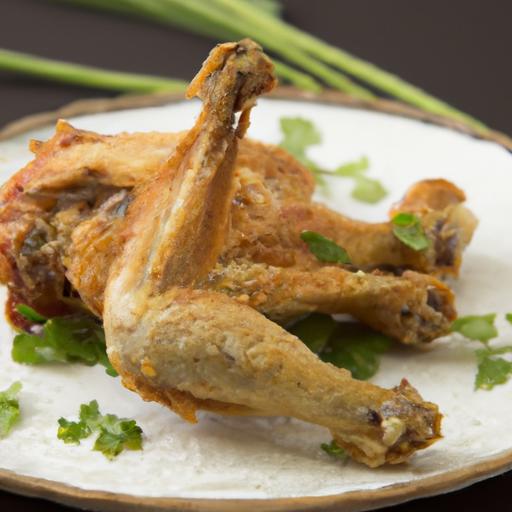
Serve your golden, crispy & gluten-free fried chicken alongside vibrant fermented coleslaw, tangy lemon wedges, and a drizzle of herbaceous hot honey for a kick. Fresh herbs like rosemary or thyme garnish the platter beautifully, adding aromatic notes and eye-catching bursts of green. Pair with roasted sweet potatoes or a light cucumber salad to balance hearty crunch with refreshing brightness.

Nutritional Information (Per Serving)
| Calories | Protein | Carbs | Fat |
|---|---|---|---|
| 420 kcal | 35 g | 18 g | 23 g |
Discover more ways to enjoy gluten-free cooking by exploring our article on Best Gluten-Free Side Dishes. For a deep dive into oil frying techniques, this trusted guide from Serious Eats is invaluable.
Q&A
Q&A: Crispy & Gluten-Free: Mastering Perfect fried Chicken
Q1: Why is gluten-free fried chicken often less crispy than traditional fried chicken?
A1: Gluten provides elasticity and structure in batter and breading, wich helps create a light, airy, and crisp crust. without gluten, achieving that same crunch can be tricky because gluten-free flours often have different textures and absorb more moisture. Though, with the right combination of flours and techniques, you can still achieve an irresistibly crispy coating.
Q2: What are the best gluten-free flours for frying chicken?
A2: A blend of rice flour, cornstarch, and tapioca starch is often a golden ticket to crispy, gluten-free fried chicken. Rice flour contributes a light, crisp texture; cornstarch adds extra crunch and helps the crust brown beautifully; tapioca starch creates a crispy, puffy shell. Experimenting with these in combination can yield a coating that rivals the classic wheat-based crust.
Q3: How can I prevent gluten-free fried chicken from becoming soggy?
A3: Moisture is the enemy of crispiness. Start by patting your chicken dry before seasoning. After dredging, let the coated chicken rest on a rack for at least 15-30 minutes; this helps the crust set and “dry out” before frying. Also,keep your oil at the right temperature (about 350°F/175°C)-too low,and the chicken will soak up oil and get soggy; too high,and it’ll burn before cooking through.
Q4: What secrets can I use to ensure the chicken inside stays juicy?
A4: Brining your chicken in a seasoned saltwater solution or a buttermilk soak enhances moisture retention and infuses flavor. Buttermilk’s acidity also tenderizes the meat. Don’t skip this step! When frying,maintain steady oil temperature and don’t overcrowd the pan-overcrowding lowers oil temperature and results in greasy chicken.
Q5: Can eggs or othre binders improve gluten-free breading adhesion?
A5: Absolutely! Beaten eggs, or even a dairy-free alternative like aquafaba (chickpea cooking water), create a sticky layer that helps flour or breading stick evenly to the chicken. For extra thickness and crunch, you can double-dip: chicken into egg (or binder), than flour mixture, then egg again, and flour once more.
Q6: Are there any tips for seasoning gluten-free fried chicken?
A6: As gluten-free flours tend to be milder in flavor, don’t shy away from bold seasoning. Add spices like smoked paprika, garlic powder, cayenne, black pepper, and herbs right into your flour mix and brine. Layering flavors at each step-brining, batter, and final seasoning-creates depth in every crispy bite.Q7: How do I ensure my frying oil is optimal for gluten-free fried chicken?
A7: Use a neutral oil with a high smoke point, such as avocado, sunflower, or refined canola oil. This avoids imparting undesirable flavors and handles the high heat of frying well. Change the oil if it becomes dark or foamy to maintain crispiness and freshness.
Q8: Can gluten-free fried chicken be baked instead of fried and still be crispy?
A8: Yes! While traditional frying offers that classic crunch, baking is a healthier option that can also produce a crispy crust with the right method. Use a wire rack on a baking sheet to allow air circulation, lightly spray with oil, and bake at a high temperature (around 425°F/220°C). A combination of gluten-free breading and a rapid spray or brush of oil encourages crispiness in the oven.
Q9: What’s a creative twist to make gluten-free fried chicken even more exciting?
A9: Incorporate unexpected crunchy elements into your coating-try finely crushed gluten-free crackers, crushed nuts like almonds or pecans (watch for allergies), or even gluten-free cornflakes. These add texture,flavor,and a unique visual appeal to your crispy chicken!
Q10: How can I store leftover gluten-free fried chicken while keeping it crispy?
A10: Cool the chicken completely on a wire rack to avoid steam buildup. Store in a single layer wrapped loosely with parchment paper inside an airtight container.Reheat in a hot oven or toaster oven on a wire rack to restore crispiness-avoid microwaves, which make the crust soggy. A quick spritz of oil before reheating can enhance the crunch.
Wrapping Up
Mastering the art of crispy, gluten-free fried chicken may seem like a culinary quest, but with the right techniques and a pinch of patience, it’s absolutely within reach. By embracing alternative flours,mindful seasoning,and precise frying temperatures,you can create golden,crunch-worthy bites that satisfy both the palate and dietary needs. So go ahead-dive into this flavorful adventure and savor every gluten-free crunch,proving that indulgence and health can truly coexist on one plate.your perfect fried chicken moment awaits!