
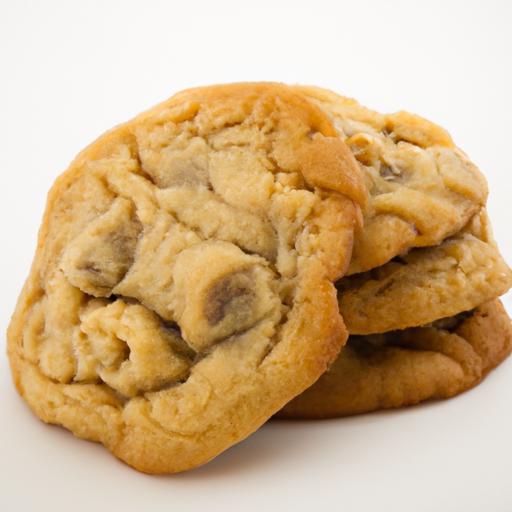
There’s something universally comforting about biting into a cookie- that perfect harmony of crunchy edges and sweet,tender centers. but for those navigating the world of gluten-free baking, capturing that quintessential cookie experience can sometimes feel like chasing a tasty, elusive dream. Fear not! “Crunchy & Sweet: Your Guide to Easy Gluten-Free Cookies” is here to unlock the secrets of creating irresistible treats that satisfy both your taste buds and dietary needs.Weather you’re a seasoned baker or a curious newcomer, this guide will walk you through simple ingredients, foolproof techniques, and scrumptious recipes that prove gluten-free can be just as delightful-if not more-than the classic cookie you’ve always loved. Let’s dive in and bake your way to crunchy, sweet perfection!
Choosing the Perfect Gluten-Free Flours for ultimate Crunch and Sweetness
Crunchy & Sweet: Your Guide to Easy Gluten-Free Cookies begins with selecting the right blend of gluten-free flours to achieve that coveted crispy texture and natural sweetness. Unlike traditional wheat flour, gluten-free flours bring unique profiles – some offer a delicate crispness, while others lend a subtle nutty sweetness. For the ultimate cookie crunch, I recommend a combination of almond flour for richness and brown rice flour for structure.
Almond flour adds moisture and a gentle sweetness without overwhelming the cookie, making each bite inviting and tender. Brown rice flour contributes an airy crunch and balances the texture perfectly. Incorporating a small percentage of tapioca starch boosts crispiness as it crisps up beautifully in the oven. Together,they create a synergy unparalleled by single-gluten-free flours alone.
For those eager to experiment, oat flour (certified gluten-free) introduces mild earthiness and works wonders in combination with coconut sugar or maple syrup to deepen the sweet undertones naturally. Mixing these thoughtfully ensures your cookies maintain a satisfying crunch without dryness or crumbliness.
Mastering Texture Balance Through natural Sweeteners and Mix-Ins
The harmony of textures in gluten-free cookies comes not only from your flour choice but also from natural sweeteners and mix-ins. using coconut sugar or maple syrup infuses warmth and subtle caramel notes; their moisture content also helps bind and tenderize. For a delightful contrast, toss in crunchy chopped nuts like walnuts or pecans, or even some toasted seeds – they elevate both the texture and visual appeal beautifully.
Adding dark chocolate chunks or dried fruit such as tart cherries introduces pockets of chewiness amid the crisp exterior. These accents feel indulgent but stay balanced when the sweeteners keep the overall sweetness natural and nuanced. Swap standard vanilla extract with almond extract for an extra layer of aroma and flavor complexity.
Step by Step Techniques for Baking Crispy and Flavorful gluten-Free Cookies
Perfecting gluten-free cookies means mastering precise techniques. Start by chilling your dough after mixing to solidify fats and prevent spread. When ready, scoop the dough onto parchment-lined baking sheets and gently flatten each ball for even baking. Bake at a moderately high temperature (~350°F/175°C) to foster that golden, crunchy edge while maintaining tenderness inside.
Midway through baking, rotate the trays for uniform heat distribution. Once out of the oven, allow the cookies to cool entirely on a wire rack – this final step intensifies the crunch as residual heat finishes crisping the edges. Resist the urge to store warm cookies; letting them cool fully guarantees the best texture.
Top Tips for Storing and Enjoying Your gluten-Free Cookie creations
To preserve crispness, store your cookies in an airtight container layered between parchment paper at room temperature. avoid refrigeration as moisture absorption can lead to sogginess. If you prefer a softer bite, add a slice of apple or a small piece of bread into the container – it gently reintroduces moisture.
For longer storage, freeze cookies individually on baking sheets before transferring to a resealable freezer bag. Thaw at room temperature to restore their original texture effortlessly. When serving,pair these crunchy gems with a dollop of coconut whipped cream or a drizzle of rich nut butter for an irresistible experience.
Prep and Cook Time
- Preparation: 15 minutes
- Chilling: 30 minutes
- Baking: 12-15 minutes
- Total Time: 1 hour (including chilling)
Yield
Approximately 24 medium-sized cookies
Difficulty Level
Easy – perfect for beginners and busy bakers looking for approachable gluten-free delights
Ingredients
- 1 cup almond flour (finely ground)
- 3/4 cup brown rice flour
- 1/4 cup tapioca starch
- 1/2 cup coconut sugar
- 1/4 cup maple syrup
- 1/2 cup vegan butter, softened
- 1 large egg (room temperature)
- 1 teaspoon baking soda
- 1/2 teaspoon sea salt
- 1 teaspoon vanilla extract (or almond extract for variation)
- 1/2 cup chopped walnuts or pecans (optional)
- 1/3 cup dark chocolate chunks or dried tart cherries (optional)
Instructions
- Preheat your oven to 350°F (175°C). Line two baking sheets with parchment paper.
- Cream together the softened vegan butter and coconut sugar in a large bowl using a hand mixer until light and fluffy, about 2-3 minutes.
- Add the egg, maple syrup, and vanilla extract. Beat until combined and smooth.
- In a seperate bowl, whisk almond flour, brown rice flour, tapioca starch, baking soda, and sea salt until well blended.
- Gradually fold the dry ingredients into the wet mixture until a soft, slightly sticky dough forms.
- Stir in your choice of chopped nuts, dark chocolate chunks, or dried cherries for that perfect crunch and bursts of sweetness.
- Cover the bowl with plastic wrap and chill the dough in the refrigerator for at least 30 minutes to solidify the fats and make the dough easier to handle.
- Scoop rounded tablespoons of dough onto the prepared baking sheets, spacing about 2 inches apart. Gently flatten each ball with your fingers to about 1/2-inch thickness.
- Bake for 12-15 minutes, rotating trays halfway through, until edges are golden brown but centers remain just set.
- Remove from oven and allow cookies to cool completely on the trays for 5 minutes before transferring to a wire rack to cool thoroughly and develop maximum crunch.
Tips for Success
- Substitutions: Use gluten-free oat flour in place of brown rice flour for a softer, chewier bite.
- Make-ahead: Dough can be frozen for up to 1 month; thaw overnight in the fridge before baking.
- Troubleshooting: If cookies spread too much, chill dough longer or add an additional tablespoon of almond flour.
For crumbliness, ensure your butter is not too warm and carefully measure flours. - Flavor boost: Toast nuts lightly beforehand for extra aroma and texture.
Serving Suggestions
Arrange cookies on a rustic wooden board topped with fresh berries and a dusting of powdered sugar. Complement their crunchy texture by serving alongside a creamy coconut milk latte or a chilled glass of almond milk. For celebrations, sandwich cookies with a layer of dairy-free chocolate ganache or lemon glaze for an irresistible treat that highlights all the crunchy & sweet notes.

Nutritional Facts (per cookie)
| Calories | Protein (g) | Carbs (g) | Fat (g) |
|---|---|---|---|
| 120 | 3 | 12 | 7 |
For more delightful gluten-free baking inspiration, check out our Gluten-Free Baking Basics guide. To understand gluten intolerance thoroughly, visit the Celiac Disease Foundation.
Q&A
Q&A: Crunchy & Sweet – Your Guide to Easy Gluten-Free Cookies
Q1: What makes a cookie truly gluten-free?
A: A cookie is truly gluten-free when it contains no wheat, barley, rye, or any derivatives of these grains. Instead, gluten-free cookies use alternative flours like almond, coconut, rice, or oat flour that don’t contain gluten proteins. Plus, avoiding cross-contamination during preparation is key to ensuring they’re safe for those with gluten sensitivities or celiac disease.
Q2: Can gluten-free cookies taste as delicious as traditional ones?
A: Absolutely! With the right mix of flours, sweeteners, and a sprinkle of creativity, gluten-free cookies can be just as crispy, chewy, and flavorful as their conventional counterparts. The key is balancing texture and sweetness while using quality gluten-free ingredients.
Q3: What flours work best for crunchy gluten-free cookies?
A: Almond flour and rice flour are stars when it comes to achieving that perfect crunch. Almond flour provides a rich, nutty flavor, while rice flour helps create crisp edges. Combining these with a bit of tapioca or arrowroot starch can add that irresistible snap and lightness.
Q4: How do I naturally sweeten gluten-free cookies without refined sugar?
A: Nature offers plenty of sweet options! Try maple syrup, honey, coconut sugar, or even mashed ripe bananas. These natural sweeteners not only add sweetness but also enhance moisture and depth of flavor, giving cookies that homemade warmth.
Q5: Are gluten-free cookies suitable for people beyond those with gluten intolerance?
A: Yes! Gluten-free cookies can delight anyone looking for a tasty treat. often made with wholesome ingredients like nuts and natural sweeteners, they can fit well into balanced diets and might even offer a refreshing twist for those exploring new flavors.
Q6: What’s a simple gluten-free cookie recipe for beginners?
A: Start with a classic almond butter cookie! Mix almond butter, a natural sweetener like honey, an egg, baking soda, and a pinch of salt. Scoop, flatten gently, and bake until golden.The result? A crisp outside with chewy center, naturally gluten-free and easy to make.
Q7: How can I keep my gluten-free cookies from becoming too dry or crumbly?
A: Moisture is your best friend! Adding ingredients like applesauce, yogurt, or a little extra egg can keep cookies tender. Also, don’t over-bake-pull them out as soon as the edges turn golden for that perfect balance between crunchy and soft.
Q8: Can I add mix-ins like nuts or dried fruit to gluten-free cookies?
A: Definitely! Chopped nuts, seeds, dried cranberries, chocolate chips, or even shredded coconut all add exciting textures and flavors. Just ensure any add-ins are gluten-free certified to keep your cookies safe and scrumptious.
Q9: How should gluten-free cookies be stored to maintain their crunch and flavor?
A: Store them in an airtight container at room temperature for up to a week. To keep that crunch, separate layers with parchment paper and avoid moisture exposure. For longer storage, freeze them and thaw briefly before serving.
Q10: Where can I find gluten-free flours and ingredients to start baking?
A: most grocery stores now carry a gluten-free section with various flours and mixes. Health food stores and online retailers offer a wider range of specialty flours like chickpea or sorghum. Always check labels to guarantee gluten-free certification and freshness.
Whether you crave a sweet crunch or a tender bite, gluten-free cookies open up a world of delicious possibilities-easy to bake, delightful to share, and perfect for every palate!
The Conclusion
Whether you’re new to gluten-free baking or a seasoned pro, these crunchy and sweet cookies prove that delicious treats don’t need to be elaborate-or gluten-filled. With simple ingredients and straightforward steps, you can whip up batches that satisfy both your cravings and dietary needs. So go ahead, embrace the crunch, savor the sweetness, and let these easy gluten-free cookies become your new go-to comfort bites. Baking gluten-free has never tasted so good!