
There’s an undeniable magic in the perfect focaccia: a golden crust that crackles delightfully under your fingertips, a tender crumb that gives way with each bite, and an aroma that transports you straight to the heart of Italy. But what happens when gluten is off the menu? Mastering gluten-free focaccia art invites bakers and food lovers alike to reimagine this cherished bread through the lens of innovation and care. In this article, we’ll explore the delicate balance were taste meets texture, unlocking the secrets to crafting gluten-free focaccia that delights the palate and satisfies the soul-proving that absence of gluten doesn’t mean absence of greatness.
Mastering gluten-free focaccia art starts with understanding how different gluten-free flours shape not just the taste but the very texture of this beloved Italian bread. Unlike customary wheat flour, gluten-free blends demand a delicate balance-each flour’s unique starches, proteins, and absorbency levels contribute to how the dough behaves, rises, and ultimately sings with flavor and mouthfeel.
Understanding gluten-Free Flours and Their Impact on Focaccia Texture
Gluten-free flours like , tapioca starch, potato starch, and almond flour each have distinct roles in shaping a light focaccia crumb or a tender bite. Brown rice flour provides a slightly nutty base but can result in a grainier texture if used alone. Tapioca starch, on the other hand, lends a subtle chewiness and elasticity, mimicking the soft stretch of gluten strands.Potato starch keeps the crumb moist and tender, while almond flour adds richness and subtle moistness.
Blending these flours properly is key in mastering gluten-free focaccia art and stepping away from dense or crumbly results. A precise combination enhances elevation and aeration, crafting that delicate, pillowy crumb that traditional focaccia lovers adore.
Perfecting Hydration Levels for Soft and Airy Gluten-Free Focaccia
Hydration is the unsung hero in gluten-free focaccia baking. Unlike wheat doughs where lower hydration still yields elasticity, gluten-free doughs thrive with higher hydration-frequently enough reaching 90% or more relative to the flour weight. This extra water creates steam pockets during baking, expanding the crumb and infusing a lightness that surprises the palate.
Trust a wetter dough-it will seem sticky and almost batter-like at first, but gentle mixing and a slow rise let the ingredients harmonize. Experiment with precise water ratios combined with your chosen flour blend to find your perfect moist yet airy focaccia base.
Techniques to Achieve a Crispy Crust Without Gluten
Who says a golden, crisp crust belongs only to gluten-rich breads? To master this crust in a gluten-free focaccia, follow these expert steps:
- olive oil is your crust’s best friend. Generously dimple the dough with your fingertips before baking, then brush liberally with high-quality extra virgin olive oil. This encourages caramelization and crispening.
- Use a preheated baking sheet or cast iron pan. Placing the focaccia on a hot surface at the start of baking jumpstarts crust formation.
- Finish under the broiler briefly. Once baked through, a swift broil for 1-2 minutes crisps edges beautifully-just watch closely to avoid burning.
- Season the crust generously with flaky sea salt and aromatic herbs, turning that crisp bite into an explosion of flavor.
creative Toppings and Flavor Combinations to Elevate Your Focaccia Experience
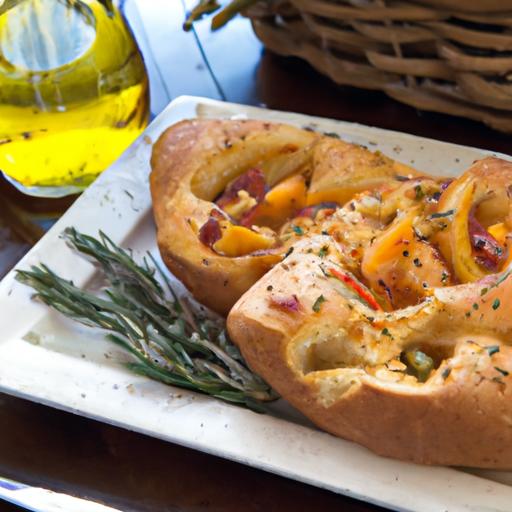
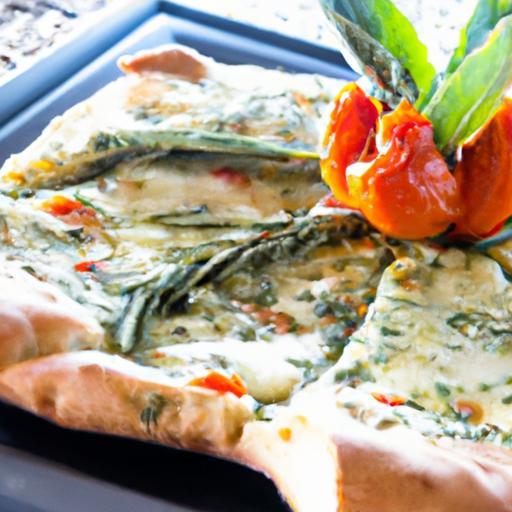
A brilliantly baked gluten-free focaccia is the perfect canvas for a spectrum of toppings that transform it from simple bread to a culinary star. Consider vibrant Mediterranean influences like sun-dried tomatoes, kalamata olives, and rosemary sprigs for rustic charm. Or elevate it with colorful roasted vegetables like bell peppers, zucchini, and red onions combined with dollops of creamy vegan ricotta.
For added contrast, sprinkle toasted pine nuts or cracked black pepper, then finish with fresh basil or microgreens right before serving. Each bite tells a story of texture and bold flavor, a truly memorable gluten-free focaccia experience.
Prep and Cook Time
- Readiness: 20 minutes
- Rising time: 1 hour 30 minutes
- Baking: 30 minutes
- Total Time: 2 hours 20 minutes
Yield
One 9×13 inch focaccia, serving 6-8 people.
Difficulty Level
Medium – requires patience and flour blending precision but results in bakery-quality gluten-free focaccia.
Ingredients
- 1 cup brown rice flour, sifted
- ½ cup tapioca starch
- ¼ cup potato starch
- ¼ cup almond flour
- 1 tablespoon instant yeast
- 1 ½ teaspoons sea salt
- 1 ¼ cups warm water (about 110°F / 43°C)
- ¼ cup extra virgin olive oil, plus more for drizzling
- 1 teaspoon maple syrup (to activate the yeast gently)
- Optional toppings: rosemary sprigs, cherry tomatoes, kalamata olives, flaky sea salt
Instructions
- Activate the yeast: In a small bowl, combine warm water, maple syrup, and yeast. Stir gently and let it sit for 5-7 minutes until foamy.
- Mix dry ingredients: In a large bowl, whisk together all flours, starches, and salt until thoroughly combined.
- Combine wet and dry: Pour yeast mixture and olive oil into the flour blend. Using a wooden spoon or paddle attached to a mixer,stir until a wet,sticky dough forms.
- First rise: Cover the bowl with a damp towel or plastic wrap. Let the dough rise in a warm spot for about 1 hour, or until slightly puffed.
- Prepare the baking pan: Generously oil a 9×13 inch baking pan with olive oil.
- Shape and second rise: Transfer dough to pan (wet your hands to avoid sticking) and gently press it out to the edges. Dimple the surface with your fingertips deeply to create pockets. Drizzle more olive oil over the top. cover and let rise for 20-30 minutes.
- Preheat oven: Set your oven to 425°F (220°C) and place a baking stone or heavy sheet inside to preheat along with it.
- Bake: Place the pan on the preheated sheet/stone and bake for 25-30 minutes until golden and crisp on top.
- crisp the crust: If desired, broil for 1-2 minutes to deepen crust color and texture-but watch carefully.
- Cool and garnish: Let focaccia cool slightly before slicing. Sprinkle with flaky sea salt and fresh herbs if using.Serve warm or at room temperature.
Tips for Success
- Don’t skimp on olive oil: It enhances crust crispness and adds authentic Mediterranean flavor.
- Experiment with flour ratios: Adjust starches slightly to tweak crumb tenderness or chewiness.
- Hydration is critical: The dough should be wet and sticky, akin to thick batter; avoid adding too much flour during shaping.
- Use room temperature ingredients: this helps even fermentation and rise.
- Make-ahead tip: Refrigerate dough overnight after the first rise for enhanced flavor, then bring it to room temperature before shaping.
Serving Suggestions
Serve your gluten-free focaccia alongside a bowl of hearty tomato soup or with a side of tangy herbed olive oil for dipping. Garnish slices with fresh basil leaves, a drizzle of aged balsamic, or crumbled vegan feta. for a stunning presentation, top wedges with roasted veggie medleys or smashed avocado and lemon zest.
This versatile bread shines as an appetizer, side, or even a light main when paired with crisp salads or charcuterie boards featuring dairy-free cheeses and marinated vegetables.
| Nutrient | Per Serving (1 slice) |
|---|---|
| Calories | 190 kcal |
| Protein | 4 g |
| Carbohydrates | 26 g |
| Fat | 7 g |

For more on gluten-free baking techniques, explore this thorough guide from the Celiac Disease Foundation.
Q&A
Q&A: Mastering Gluten-Free Focaccia Art: Taste Meets Texture
Q1: What makes gluten-free focaccia different from traditional focaccia?
A1: Gluten-free focaccia swaps wheat flour for gluten-free alternatives, creating a unique balance between crumbly and chewy textures. Unlike traditional focaccia, which relies on gluten’s elasticity, gluten-free versions lean on a blend of choice flours-like rice, sorghum, or tapioca-and creative binding agents to achieve that signature airy softness and golden crust.
Q2: which gluten-free flours work best for focaccia?
A2: A well-rounded gluten-free focaccia flour blend often includes rice flour for structure,tapioca starch for stretch,and almond flour for moisture and richness. Each contributes a distinct characteristic: rice flour offers a mild base,tapioca provides chewiness,and almond flour gives a subtle nuttiness that elevates the flavor.
Q3: How do you mimic gluten’s elasticity in gluten-free focaccia dough?
A3: Since gluten acts as a stretchy network in dough, gluten-free focaccia relies on ingredients like xanthan gum, psyllium husk, or flaxseed gel to replicate that effect. These binders create a flexible, cohesive dough that traps air bubbles, ensuring a light, fluffy crumb rather than a dense, crumbly bread.
Q4: What tricks can enhance the focaccia’s texture without gluten?
A4: Hydration is key-gluten-free flours absorb more water, so a higher hydration dough helps develop tenderness. Letting the dough rest allows flours to hydrate fully, improving softness. Additionally, gentle folding or punching down during fermentation encourages air retention and a more open crumb.
Q5: How important is fermentation in gluten-free focaccia?
A5: Fermentation remains crucial! Though the dough behaves differently, yeast still works its magic by producing carbon dioxide, which lifts the bread.Even if the rise is less dramatic, allowing the dough to ferment develops flavors and tenderizes the crumb, making your focaccia more aromatic and complex.
Q6: What toppings work best on gluten-free focaccia to enhance taste without overpowering texture?
A6: Classic toppings like fresh rosemary, flaky sea salt, and thinly sliced garlic add vibrant bursts of flavor without weighing down the dough. Drizzles of high-quality olive oil before and after baking create a luscious mouthfeel. For color and zing, consider roasted cherry tomatoes, Kalamata olives, or caramelized onions-each topping melds beautifully with the tender crumb.
Q7: Can I achieve that characteristic focaccia dimpled surface with gluten-free dough?
A7: absolutely! Pressing your fingertips gently into the proofed dough before baking creates those iconic dimples, which hold pools of olive oil and toppings. Because gluten-free dough can be more delicate, use a light touch, and don’t overwork the surface to preserve the air bubbles beneath.
Q8: How should gluten-free focaccia be baked for the best crust and crumb?
A8: Bake at a high temperature-around 425°F (220°C)-to encourage a crisp, golden crust. Using a well-oiled baking sheet or pan helps prevent sticking and contributes to a beautifully caramelized bottom. Keep an eye toward the end of baking to avoid over-drying; the crumb should be moist yet airy.
Q9: What’s the best way to store gluten-free focaccia to maintain freshness?
A9: gluten-free bread tends to dry out faster, so wrap your focaccia tightly in plastic wrap once cooled and store it at room temperature for up to two days. For longer storage, slice and freeze it in a sealed bag. Reheat gently in the oven to revive that soft interior and crisp exterior.
Q10: How can mastering gluten-free focaccia elevate a home baker’s repertoire?
A10: Perfecting gluten-free focaccia is like unlocking a delicious and textural puzzle. It expands your baking skills beyond traditional wheat, introduces new ingredient blends, and challenges your intuition for dough behaviour. The reward? A versatile, flavorful bread that welcomes creativity-topping combinations, seasonings, and serving occasions-making your gluten-free baking truly artisanal.
Key Takeaways
As you embark on your journey to master gluten-free focaccia, remember that this art is as much about patience and experimentation as it is about ingredients and technique. Balancing taste with texture might seem challenging at first,but each attempt teaches you something new-whether it’s the perfect crumb,the ideal crust,or that elusive chewy bite. with every loaf, you hone not just your baking skills but your gratitude for the delicate harmony that gluten-free flours can achieve. So, let your kitchen become a canvas where creativity rises alongside flavor, and soon, you’ll find that gluten-free focaccia isn’t just a dietary choice-it’s a delicious expression of culinary craftsmanship.