
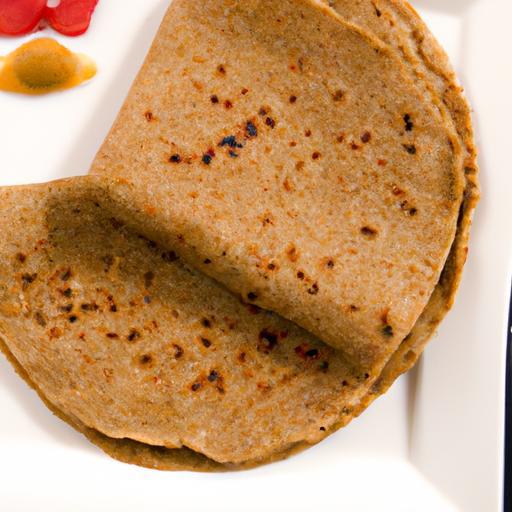
In a world where culinary traditions continually evolve, sorghum emerges as a humble hero-ancient grain with a modern twist. For those seeking gluten-free delights that don’t compromise on taste or texture, sorghum offers a surprising leap forward.Imagine warm, pliable tortillas infused with the subtle sweetness and earthiness of this nutrient-rich grain. “Savor Sorghum: Crafting Flavorful Gluten-Free Tortillas” invites you on a flavorful journey to rediscover tortilla-making,blending age-old wisdom with contemporary needs.Whether you’re gluten-sensitive, health-conscious, or simply adventurous in the kitchen, sorghum tortillas promise a delicious, wholesome addition to your culinary repertoire.
Understanding Sorghum Flour and its Unique Flavor Profile
Savor sorghum flour’s naturally nutty, subtly sweet essence-a cornerstone for crafting flavorful gluten-free tortillas. This ancient grain brings a wonderfully earthy depth, complemented by gentle hints of toasted cereal and mild berry undertones. Unlike more neutral gluten-free flours, sorghum flour enriches your dough with a robust character that balances perfectly between hearty and delicate.
Known for its fine texture and excellent nutritional profile, sorghum flour lends itself beautifully to tortilla-making when combined with the right techniques. Its moderate protein content and natural density require gentle handling to achieve that tender, pliable dough that folds and rolls without cracking.
Techniques for Achieving the Perfect Dough Texture
Getting the dough just right is key to savory, flexible sorghum tortillas. Begin by mixing sorghum flour with a binder like xanthan gum or psyllium husk powder-this acts as a unique glue, mimicking gluten’s elasticity. Slowly incorporate warm water rather of cold to hydrate the flour fully, encouraging softness and easier rolling.
Allow the dough to rest for at least 20 minutes under a damp cloth; this hydration helps sorghum’s starches swell and become more workable.When kneading, apply gentle pressure with your fingertips rather than vigorous folding, wich might make the dough tough. The perfect dough should feel supple, not sticky, and just firm enough to roll out thinly without crumbling.
Flavor Enhancements to Elevate Your Sorghum Tortillas
To take your sorghum tortillas beyond basics, add subtle layers of flavor that harmonize with the flour’s natural nuttiness. incorporating fresh finely chopped herbs like cilantro or oregano into the dough can infuse bright herbal notes, while a pinch of smoked paprika or ground cumin introduces warmth without overpowering.
A touch of extra-virgin olive oil enriches the texture and imparts a gentle fruitiness. For those who love a slightly tangy twist, a teaspoon of fresh lime juice added to the dough creates a nuanced citrus brightness that enlivens every bite. These enhancements make your tortillas versatile for pairing with bold fillings or enjoying simply with a drizzle of quality olive oil.
Cooking Methods That Maximize Taste and Versatility
Cook your sorghum tortillas on a preheated cast-iron skillet or non-stick griddle for best results-these surfaces concentrate heat evenly,coaxing a golden,slightly blistered exterior that locks in moisture. Avoid using too high a flame to prevent drying out; medium heat allows the tortillas to puff slightly while maintaining soft texture.
flip gently onc bubbles form and edges lift, cooking the other side until light brown patches appear. Immediately covering the cooked tortillas with a clean towel preserves warmth and moisture, keeping them supremely pliable and perfect for rolling or folding without tearing.
For added flexibility, store cooled tortillas wrapped tightly in a kitchen cloth or airtight container. When reheating, a quick warm-up on the skillet or a few seconds in the microwave under a damp paper towel will restore their fresh-made softness.
Prep and cook Time
- Prep Time: 15 minutes
- Rest Time: 20 minutes
- Cook Time: 15 minutes
- Total Time: 50 minutes
Yield
- Makes approximately 12 medium-sized tortillas
Difficulty level
- Medium – requires attention to dough consistency and cooking technique
Ingredients
- 2 cups sorghum flour
- 1/2 teaspoon xanthan gum (or psyllium husk powder for gluten-free binding)
- 1 teaspoon baking powder
- 1 teaspoon fine sea salt
- 2 tablespoons extra-virgin olive oil
- 1 cup warm water (approximately, adjust as needed)
- Optional: 1 tablespoon fresh lime juice
- Optional flavor add-ins: 1 tablespoon chopped fresh cilantro or 1/2 teaspoon smoked paprika
Instructions
- Combine dry ingredients: In a large mixing bowl, whisk sorghum flour, xanthan gum, baking powder, and salt until evenly dispersed.
- Add liquids: Stir in olive oil and optional lime juice. gradually pour in warm water,mixing with a wooden spoon until a rough dough forms.
- Knead gently: Transfer the dough to a lightly floured surface (use sorghum flour). Knead gently for 3-5 minutes until smooth and pliable, adding small amounts of flour or water to adjust consistency.
- Rest the dough: Place dough back in a bowl, cover with a damp cloth, and let rest for at least 20 minutes to hydrate fully.
- Divide and roll: Divide dough into 12 equal portions. Using a rolling pin, roll each piece between two sheets of parchment to about 6-7 inches in diameter, aiming for thinness but not tearing.
- Heat skillet: Preheat a cast-iron skillet or non-stick pan over medium heat. Avoid high heat to prevent drying.
- Cook tortillas: Place one tortilla on the hot skillet. Cook 1-2 minutes until bubbles form and underside is golden brown. Flip and cook another 1 minute. Remove and cover with a clean towel to keep warm and soft.
- Repeat: Continue with remaining dough,stacking tortillas and covering after cooking.
Tips for Success
- use warm water to help sorghum flour hydrate thoroughly and prevent a crumbly dough.
- Resting the dough improves elasticity and rolling ease-don’t skip this step.
- If dough cracks while rolling, lightly moisten your hands and gently press cracks closed before continuing.
- Substitute xanthan gum with psyllium husk powder for a natural binder, but adjust liquid slightly since psyllium absorbs more moisture.
- For flaky texture, brush rolled tortillas lightly with olive oil before cooking.
- make ahead by refrigerating dough overnight; bring to room temperature and knead briefly before rolling.
Serving Suggestions
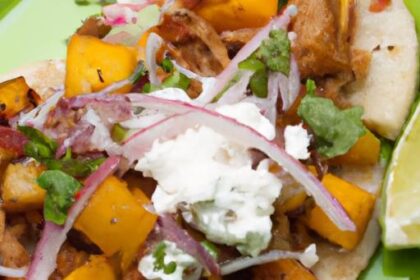
- Warm tortillas pair beautifully with grilled vegetables and black bean fillings; garnish with fresh avocado slices and a sprinkle of cotija cheese (or vegan option).
- For a bright contrast, serve with a side of lime wedges and fresh salsa verde.
- Roll up with hummus and roasted peppers for a colorful, nutritious wrap.
- Stack warm tortillas layered with a smear of olive oil and fresh herbs for an elegant breadbasket accompaniment.
| nutrient | Per Tortilla (approx.) |
|---|---|
| Calories | 110 kcal |
| Protein | 3 g |
| Carbohydrates | 22 g |
| Fat | 3 g |
related reading: Explore more unique gluten-free breads in our collection of gluten-free bread recipes.
Learn about the nutritional benefits of sorghum from this authoritative source on whole grains: Whole Grains Council – Sorghum Profile.

Q&A
Q&A: Savor Sorghum: Crafting Flavorful Gluten-Free Tortillas
Q1: What makes sorghum an excellent choice for gluten-free tortillas?
A1: Sorghum is a naturally gluten-free grain that’s rich in nutrients, including antioxidants, fiber, and protein. Its mild, slightly sweet flavor creates a perfect canvas for tortillas, lending a subtle earthiness that pairs well with a variety of fillings. Plus, its fine texture helps produce tortillas that are soft yet sturdy – ideal for wrapping your favourite ingredients.
Q2: How does sorghum flour differ from other gluten-free flours when making tortillas?
A2: Unlike some gluten-free flours that can be gritty or overly crumbly, sorghum flour offers a smooth, tender crumb with a naturally pleasant flavor. it absorbs moisture well, resulting in dough that is pliable and easy to roll, which means fewer cracked tortillas and a more authentic texture reminiscent of conventional corn or wheat tortillas.
Q3: Can sorghum tortillas be made with just sorghum flour, or is it better to blend with other flours?
A3: While sorghum flour can be used on its own, blending it with other gluten-free flours like tapioca or arrowroot starch can enhance elasticity and chewiness.This blend helps mimic the texture that gluten imparts, making tortillas more flexible and less likely to break during folding or rolling.
Q4: What are some tips for shaping and cooking sorghum tortillas for the best flavor and texture?
A4: Handle the dough gently-too much kneading can make tortillas tough. Roll them evenly to about 1/8-inch thickness to ensure they cook quickly and uniformly. Cook tortillas in a hot, dry skillet until you see light browning and slight puffing-this develops flavor through a gentle toasting and gives them a lovely aroma. Keep them warm wrapped in a clean towel to retain moisture.
Q5: How can I elevate the flavor of sorghum tortillas naturally?
A5: Incorporate herbs like cilantro or finely chopped green chilies into the dough, or mix in roasted garlic puree for a savory kick. A pinch of smoked paprika or cumin can add a warm, exotic note. Even a splash of lime juice in the dough can brighten the flavor, making each bite fresh and vibrant.
Q6: are sorghum tortillas suitable for meal prepping and freezing?
A6: Absolutely! Sorghum tortillas freeze well when separated by parchment paper to prevent sticking. When ready to enjoy,simply thaw at room temperature or briefly warm them in a skillet. This makes them convenient for busy days without sacrificing that homemade taste.
Q7: What fillings or dishes pair best with sorghum tortillas?
A7: Their subtle sweetness balances beautifully with smoky grilled vegetables, hearty beans, creamy avocado, or spiced lentil mixtures. Sorghum tortillas also complement fresh salsas, roasted peppers, and vibrant salads, making them incredibly versatile for breakfast, lunch, or dinner.
Q8: How do sorghum tortillas impact digestion compared to traditional wheat tortillas?
A8: Sorghum is rich in dietary fiber and resistant starch, which supports healthy digestion and sustained energy release. For those with gluten sensitivities or celiac disease, sorghum tortillas provide a gentle, nourishing alternative that won’t cause digestive discomfort often associated with gluten-containing grains.
Q9: Can children and picky eaters enjoy sorghum tortillas?
A9: Definitely! The mild flavor and soft texture make sorghum tortillas approachable even for little palates. Plus, their adaptability means you can fill them with familiar, kid-friendly ingredients like mild cheeses, beans, or mashed sweet potatoes, turning them into fun, nutritious wraps.Q10: Where can home cooks find sorghum flour, and what should they look for?
A10: Sorghum flour is increasingly available at health food stores and online retailers. Look for finely ground, organic sorghum flour without any additives for the best flavor and texture. Storing it in an airtight container in a cool, dark place helps preserve freshness and prevents spoilage.
Embark on your gluten-free adventure by savoring the subtle charm of sorghum tortillas-where wholesome nutrition meets irresistible flavor!
The Conclusion
As we wrap up our journey into the art of crafting gluten-free tortillas with sorghum, it’s clear that this humble grain is much more than a gluten-free substitute-it’s a flavorful canvas rich with history and nutrition.By embracing sorghum, you’re not just creating tortillas; you’re awakening your palate to a world of earthy, nutty nuances and wholesome goodness.So next time you roll up a sorghum tortilla, savor the story it tells-a tale of tradition, innovation, and delicious possibilities that invite you to savor every bite, gluten-free and guilt-free.