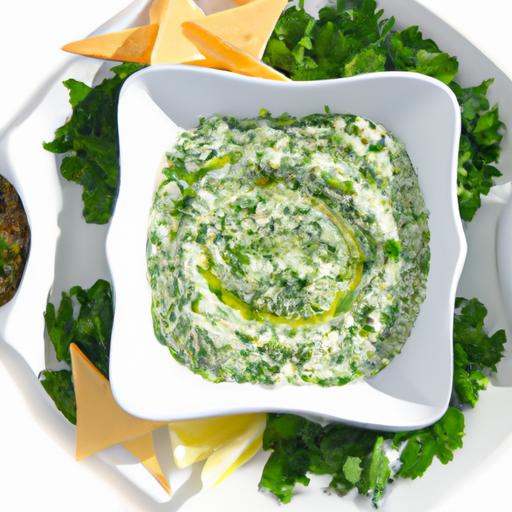

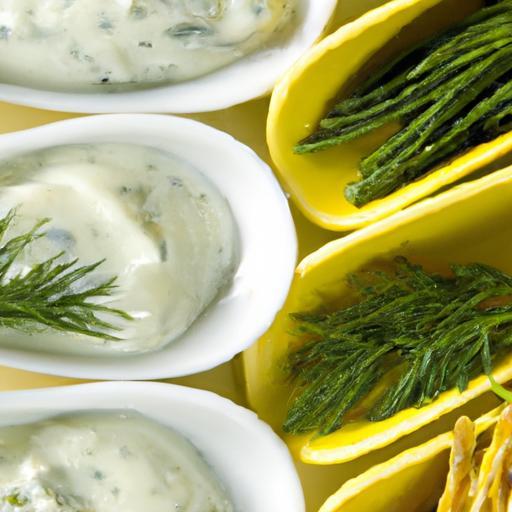
In a world brimming with bold and diverse flavors, few condiments manage to capture both simplicity and sophistication quite like tzatziki sauce. Rooted in the sun-soaked landscapes of Greece,this creamy,tangy delight transforms everyday dishes into remarkable culinary experiences. At the heart of tzatziki lies Greek yogurt-a tangy, velvety base that unlocks a world of refreshing zest and subtle complexity.Join us as we unravel the magic behind Greek yogurt tzatziki sauce, exploring its vibrant ingredients, rich cultural heritage, and the secrets that make it an irresistible staple on tables around the globe. Whether drizzled over grilled meats, paired with warm pita, or enjoyed as a cooling dip, tzatziki promises a flavorful journey that’s both timeless and endlessly inspiring.
Unlocking Flavor: The Magic of Greek Yogurt Tzatziki Sauce begins with mastering a creamy base that’s as rich in texture as it is in history. Tzatziki, a beloved staple of Mediterranean cuisine, owes its charm to the luscious, tangy Greek yogurt that elevates the humble cucumber and garlic into a symphony of freshness. Whether you’ve tasted it on a bustling Athenian street or recreated it at home, crafting the perfectly creamy base is where the magic truly unfolds.
Prep and Cook Time
- Preparation: 15 minutes
- Chilling: 1 hour (to marry flavors)
- Total Time: 1 hour 15 minutes
Yield
About 1¼ cups (serves 4 as a dip or sauce)
Difficulty Level
Easy
Ingredients
- 1 cup full-fat Greek yogurt (preferably strained for extra creaminess)
- ½ medium cucumber, peeled, seeded, and finely grated
- 2 cloves garlic, finely minced or pressed
- 1 tablespoon fresh lemon juice, freshly squeezed
- 1 tablespoon extra-virgin olive oil
- 1 tablespoon fresh dill, finely chopped
- 1 tablespoon fresh mint, finely chopped (optional, for a refreshing twist)
- ½ teaspoon kosher salt (adjust to taste)
- freshly ground black pepper, to taste
Instructions
- Prepare the cucumber: Using a fine grater, grate the peeled and seeded cucumber. Transfer the grated cucumber to a clean kitchen towel or cheesecloth and gently squeeze out excess moisture to avoid a watery tzatziki. This step is crucial for achieving a creamy consistency without dilution.
- Combine the base: In a medium mixing bowl, stir the Greek yogurt until smooth and creamy. Add the squeezed cucumber and gently fold it into the yogurt with a rubber spatula,ensuring even distribution without breaking the yogurt’s luscious texture.
- Add aromatics: Incorporate the finely minced garlic, freshly squeezed lemon juice, and olive oil. These ingredients elevate the base, injecting vibrant tang and subtle richness.
- Season with herbs: Add the freshly chopped dill and optional mint. Sprinkle in the salt and freshly ground black pepper to taste. Stir gently but thoroughly to marry the bright herby notes with the creamy base.
- Chill: Cover the bowl tightly with plastic wrap and refrigerate for at least one hour. This chilling period allows the flavors to meld and intensify, distinguishing homemade tzatziki from store-bought versions.
- Final taste test: Before serving, taste and adjust seasoning if necessary-sometimes a little extra lemon juice or salt adds that final burst of brightness.
Chef’s Notes and Tips for Success
- Strain your Greek yogurt overnight using a cheesecloth-lined sieve if you want an ultra-thick base reminiscent of customary Greek kalamata yogurt.This step isn’t mandatory but adds luxurious body.
- Garlic intensity: Garlic can quickly overpower tzatziki. Start with one clove,taste after chilling,then add more if desired.
- Cucumber preparation: Seeding the cucumber removes bitterness and excess water, a common pitfall when crafting homemade tzatziki.
- Herb variations: Dill is classic, but fresh mint offers a lovely twist-great for pairing with grilled vegetables or warm flatbreads.
- Make-ahead friendly: This sauce tastes even better the next day.Keep it refrigerated in an airtight container for up to 3 days to preserve freshness and flavor.
- Consistency tip: For a looser sauce, stir in a splash of cold water or more lemon juice after chilling, but add sparingly to retain creamy texture.
Serving Suggestions: Where Tzatziki Shines
- use as a cooling companion for grilled lamb skewers or chicken souvlaki.
- Drizzle over crunchy falafel or roasted vegetable bowls for a refreshing balance.
- Serve alongside warm pita bread with a sprinkle of chopped fresh dill and olive oil for an effortless appetizer.
- Elevate your medium-spiced Mediterranean salads with a dollop that adds cooling creaminess and herbal brightness.
- Replace mayonnaise or sour cream in sandwiches or wraps with tzatziki to add zest and nutrition.
| Nutrient | Per 2 tbsp |
|---|---|
| Calories | 45 kcal |
| Protein | 2.5 g |
| Carbohydrates | 1.5 g |
| Fat | 3 g |

For a deeper exploration of Mediterranean flavors, check out our Mediterranean Herb Guide. Discover how fresh herbs can elevate every dish you create.
Also, read more about the health benefits of Greek yogurt on healthline, an authoritative resource on nutrition and wellness.
Q&A
Q&A: Unlocking Flavor: The Magic of Greek Yogurt Tzatziki Sauce
Q1: What is tzatziki sauce, and why is Greek yogurt its superstar ingredient?
A1: Tzatziki is a creamy, refreshing sauce rooted in Mediterranean tradition, known for its vibrant flavor and cooling effect. Greek yogurt is the magic behind its luscious texture and tangy bite-thicker and creamier than regular yogurt,it provides a rich base that perfectly balances the bright notes of cucumber,garlic,and herbs.
Q2: How does Greek yogurt transform simple ingredients into something extraordinary?
A2: Greek yogurt acts like a flavor amplifier and texture enhancer.Its natural creaminess mellows the pungency of garlic and sharpness of lemon juice, while its slight tang adds depth. This balance creates a harmonious sauce where every ingredient sings without overpowering the others.
Q3: What makes tzatziki sauce so versatile in cooking?
A3: Tzatziki’s cool, herbal freshness makes it a perfect companion to many dishes. It can brighten grilled vegetables, serve as a zesty dip for crispy pita chips, or add a creamy contrast to hearty grain bowls. Its lightness and bold flavor profile help elevate meals, especially during warm weather.
Q4: Can homemade tzatziki sauce be customized, or is there a traditional recipe to follow?
A4: While traditional tzatziki calls for Greek yogurt, cucumber, garlic, lemon juice, dill or mint, and olive oil, the magic is in the balance. You can adjust herbs to your liking-fresh mint for a sweeter twist or extra dill for that classic punch. The key is to keep the sauce thick, fresh, and tangy.
Q5: Is there a secret to making the perfect Greek yogurt tzatziki?
A5: Absolutely! The secret lies in controlling moisture. Cucumbers contain a lot of water, so grating them and then squeezing out excess liquid prevents your sauce from becoming soggy.Using high-quality, full-fat Greek yogurt also ensures a creamy, rich texture that feels indulgent without being heavy.
Q6: How does tzatziki compare to other yogurt-based sauces around the world?
A6: While many cultures feature yogurt sauces, tzatziki is unique for its combination of garlic, cucumber, and fresh herbs, creating a lively, refreshing profile. Unlike some spicier or sweeter yogurts, tzatziki’s bright citrus and herbaceous notes make it especially cooling and perfect for balancing grilled or roasted foods.
Q7: Besides cucumbers, are there other fresh ingredients that can enhance tzatziki?
A7: For sure! Finely chopped fresh herbs like dill, parsley, or mint add vibrant aromas. A squeeze of lemon juice brightens the entire sauce, and a drizzle of extra virgin olive oil adds a silky richness. Some enthusiasts even add a hint of grated lemon zest for an extra zing.
Q8: How long can homemade tzatziki be stored, and does its flavor change over time?
A8: Stored in an airtight container, tzatziki keeps well in the fridge for up to 3 days. Over time, flavors meld and intensify, frequently enough making the sauce taste even more harmonious. Though,to keep that fresh,crisp cucumber crunch,it’s best enjoyed sooner rather than later.
Q9: What dishes best showcase tzatziki’s unique flavor?
A9: Tzatziki shines alongside grilled vegetables, roasted chicken, or hearty grain bowls. It’s a refreshing dip for warm pita bread and a cool finish for dishes like falafel or stuffed grape leaves.Wherever a blast of creamy, tangy freshness is needed, tzatziki steps up.
Q10: can tzatziki be enjoyed by those following a vegetarian or gluten-free diet?
A10: Absolutely! Made from simple, natural ingredients, tzatziki is inherently vegetarian and naturally gluten-free. It’s a wholesome, flavorful addition that fits seamlessly into many dietary lifestyles without compromise.
Future Outlook
As we peel back the layers of Greek yogurt tzatziki, it becomes clear that this humble sauce is much more than a simple dip – it’s a vibrant party of Mediterranean culture and flavor. From its cooling, creamy texture to the zing of fresh garlic and cucumber, tzatziki unlocks a world of culinary possibilities that can elevate any meal. whether drizzled over grilled meats, dolloped onto veggies, or simply enjoyed with warm pita bread, this versatile sauce invites us to savor the magic that happens when tradition meets taste. So next time you crave a burst of freshness and zest, remember: the secret is just a spoonful of tzatziki away.