
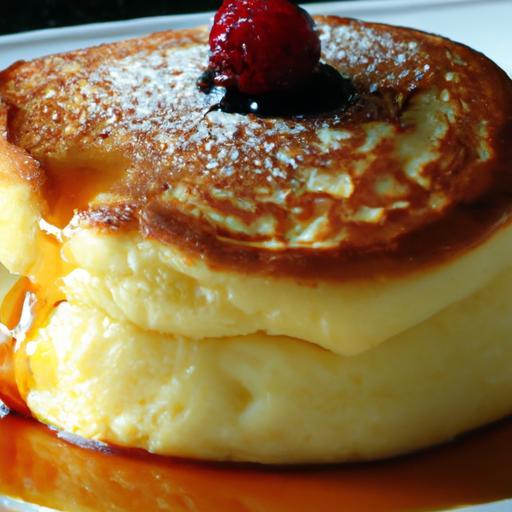
There’s a delicate magic suspended in the clouds of a Japanese soufflé pancake-a culinary marvel that fluffs up like a whisper yet melts with the richness of a dream. Beyond its ethereal texture and pillowy height lies a fascinating blend of precise technique and thoughtful science, a harmony that transforms simple batter into an airy masterpiece. in “Fluffy Delight: The Art and Science of Japanese soufflé Pancakes,” we embark on a journey to uncover the secrets behind these towering delights, exploring how cultural artistry meets exacting kitchen chemistry to create one of Japan’s most beloved sweet sensations.
Whether you’re a seasoned foodie or a curious home cook, prepare to dive deep into the world where fluff meets finesse, and every bite is a gentle festivity of texture, taste, and technique.
Discovering the Origins and Cultural Importance of Japanese Soufflé Pancakes
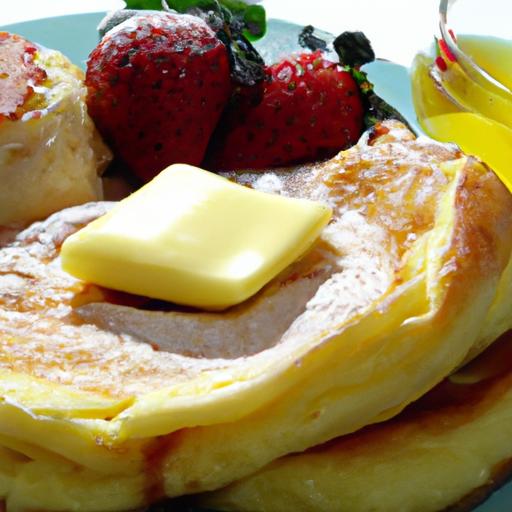
Fluffy Delight Japanese soufflé pancakes captivate both eyes and palate with thier ethereal, pillowy height and melt-in-yoru-mouth texture. Born from Japan’s meticulous culinary artistry, these pancakes embody a seamless fusion of traditional baking techniques adapted to a modern, whimsical dessert culture. Unlike typical pancakes, they are gently steamed and perfected through skillful folding of meringue into a delicate batter, resulting in an airy texture that’s become an international sensation.
Originally crafted in Japan’s trendy café scene, soufflé pancakes symbolize more than just breakfast-they represent a dedication to patience, precision, and beauty in simplicity. Often served as a luxurious brunch or afternoon treat, their cultural significance lies in the celebration of texture harmony and presentation elegance.
Prep and Cook time
- Planning Time: 20 minutes
- Cooking Time: 15 minutes
- Total Time: 35 minutes
Yield
Serves 4 generously sized soufflé pancakes
Difficulty Level
Medium – Requires some practice with meringue folding and temperature control but highly rewarding!
Ingredients
- 3 large eggs, separated
- 1/4 cup (30g) all-purpose flour, sifted
- 1/4 teaspoon cream of tartar
- 3 tablespoons (38g) granulated sugar
- 1/2 teaspoon vanilla extract
- 3 tablespoons (45ml) whole milk
- butter or oil, for greasing the pan
- Powdered sugar, for dusting (optional)
Instructions
- Prepare your tools: Lightly grease two 3-inch ring molds or ramekins with butter to ensure the batter doesn’t stick.Preheat a non-stick pan over low heat.
- Separate the eggs: place the egg whites in a clean, grease-free bowl and yolks in another medium bowl.
- Make the batter: To the yolks, add vanilla extract and milk. Whisk gently. Sprinkle in the sifted flour and fold to combine into a smooth batter without overmixing.
- Whip the egg whites: Add cream of tartar to the egg whites. Using an electric mixer, beat on medium speed until soft peaks form. Gradually add sugar and continue beating until stiff, glossy peaks form.
- Fold meringue into batter: Carefully fold one-third of the whipped egg whites into the yolk batter to lighten it. Then gently fold in the remaining meringue using a spatula, preserving as much air as possible.
- Cook the pancakes: Spoon the batter into the prepared molds on the preheated pan. Cover the pan with a lid to trap steam, cooking on low for about 7-8 minutes.Then carefully flip each mold and cook the other side for another 5-7 minutes, covered, until golden and fluffy.
- Remove and serve: Gently release the pancakes from the molds and transfer onto plates. Dust with powdered sugar or serve with fresh fruit, whipped cream, or syrup of your choice.
Tips for Success: Mastering Fluffy Delight
- Use room-temperature eggs; they whip better and create a more stable meringue.
- Be gentle folding in the meringue; this is key to keeping the batter airy and light.
- Maintain low heat; high temperatures can burn the bottom before the center cooks through.
- If you lack ring molds, carefully spoon thick dollops of batter onto the pan and cook slowly, but molds ensure the signature height.
- For flavor variations, add matcha powder, cinnamon, or citrus zest to the batter for delightful twists.
- Make-ahead tip: Keep pancakes warm in a low oven wrapped loosely with foil, but best enjoyed fresh.
Serving Suggestions
Present these airy pillows with a dusting of powdered sugar for a classic look. Enhance the sensory experience by topping with seasonal berries, a dollop of lightly sweetened whipped cream, or a drizzle of pure maple syrup.For a decadent twist, serve alongside a scoop of vanilla bean ice cream or a pool of warm fruit compote. A small sprig of fresh mint adds contrast both visually and in flavor.

| Nutrient | Per serving (1 Pancake) |
|---|---|
| Calories | 210 kcal |
| Protein | 6 g |
| Carbohydrates | 24 g |
| Fat | 9 g |
For a deeper dive into Japanese desserts and their symbolic meanings, check out our comprehensive guide to Japanese sweets. For scientific insight into meringue techniques, the Serious Eats article on meringue chemistry is an excellent resource.
Q&A
Q&A: Fluffy delight – The Art and Science of Japanese Soufflé Pancakes
Q1: What exactly are Japanese soufflé pancakes?
A: Japanese soufflé pancakes are a delightful twist on the traditional pancake – incredibly airy, tall, and soft, with a texture that almost melts in your mouth. Unlike regular pancakes,these have a soufflé-like fluffiness achieved by folding in whipped egg whites,creating light,cloud-like layers.
Q2: How do Japanese soufflé pancakes differ from regular pancakes?
A: The key difference lies in texture and technique. Regular pancakes tend to be denser and flatter.Japanese soufflé pancakes, on the other hand, rely on whipped egg whites to give them height and an ethereal softness. The cooking method, including low heat and sometimes a water bath on the pan, also contributes to their signature jiggly texture.
Q3: What ingredients are essential for making these fluffy pancakes?
A: At the core, it’s simple: flour, egg yolks, egg whites (whipped to stiff peaks), sugar, baking powder, and milk. Some recipes add a touch of vanilla or cream of tartar to stabilize the egg whites. The magic happens when you carefully fold the airy meringue into the batter.
Q4: Why is whipping the egg whites so crucial?
A: Whipping egg whites incorporates air, which acts like tiny balloons inside the batter. These trapped air bubbles expand when heated, giving the pancakes their lofty height and delicate structure. Without this step,the pancakes would fall flat and lose their signature fluff.
Q5: How do you achieve that iconic jiggly texture without burning or undercooking?
A: Patience and low heat are your best friends here. Cooking soufflé pancakes slowly over low heat allows them to cook through without burning the outside.Some chefs use a lid to trap steam, or cook them in a water bath on the stovetop to create a gentle cooking habitat that sets the batter evenly.
Q6: Can these pancakes be made ahead of time or do they need to be eaten fresh?
A: For the full fluffy experience, it’s best to enjoy them fresh. Soufflé pancakes are at their peak texture right off the pan – soft, airy, and warm. That said, if you have leftovers, gentle reheating in a microwave or steamer can revive some fluffiness, but they won’t be quite the same as freshly made.
Q7: are Japanese soufflé pancakes arduous to master for home cooks?
A: They can be a bit finicky at first, especially when it comes to whipping the egg whites just right and timing the cooking. However, with practice and attention to detail, most home cooks can master the basic technique. Using tools like an electric mixer for egg whites and a ring mold can definitely help achieve restaurant-quality results.
Q8: What are some popular toppings or serving styles for these pancakes?
A: Traditional toppings include a dusting of powdered sugar, a pat of butter, fresh berries, or a drizzle of maple syrup or honey.Some like to pair them with whipped cream or a scoop of ice cream for a decadent finish. In Japan, they’re sometimes served with seasonal fruit and light sauces like matcha or yuzu cream.
Q9: Is there a cultural story behind Japanese soufflé pancakes?
A: The rise of these pancakes is tied to Japan’s penchant for perfecting texture and presentation in cuisine. Inspired by french soufflés and western pancakes, Japanese chefs reimagined the dish with finesse, turning it into a trendy café staple that celebrates artistry in both cooking and aesthetics.
Q10: Can you experiment with flavors in Japanese soufflé pancakes?
A: Absolutely! While the classic vanilla base is beloved, you can infuse the batter with matcha powder, cocoa, or even a hint of citrus zest to create unique variations. Just be mindful not to add heavy ingredients that might weigh down the batter and compromise the fluffiness.
Embrace the whimsical world of Japanese soufflé pancakes and bring a little cloud-like magic to your breakfast table – every bite is a celebration of lightness, science, and culinary artistry!
key Takeaways
As the last bite of a Japanese soufflé pancake melts away, what remains is more than just a lingering sweetness-it’s an appreciation for the delicate dance of science and artistry that brings these ethereal clouds to life.From the meticulous folding of meringue to the gentle steam that puffs each layer into celestial fluffiness, every step is a testament to patience and precision.In embracing both tradition and innovation, fluffy soufflé pancakes invite us to savor not only their melt-in-your-mouth texture but also the cultural narrative they carry. So next time you lift your fork to one of these airy delights,remember: you’re tasting a little piece of Japan’s culinary poetry,where fluff meets finesse in perfect harmony.