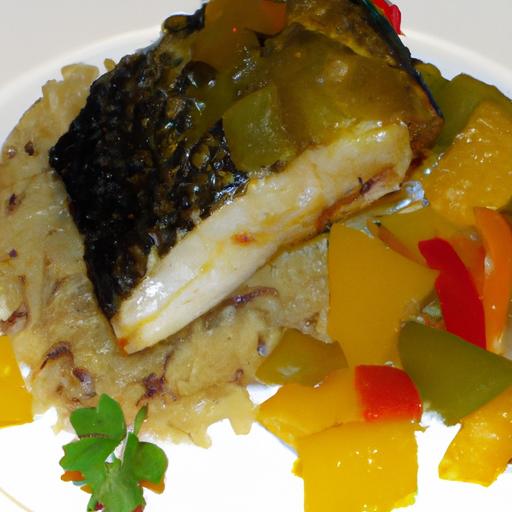

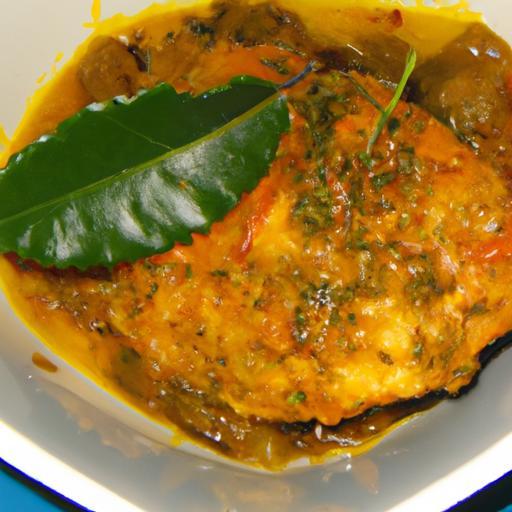
In the heart of Congo’s vibrant culinary tapestry lies a dish that tells a story as rich as the waterways it hails from: Liboke de Poisson. More than just a meal, this flavorful fish parcel is a cherished tradition that wraps fresh, seasoned fish in banana leaves, infusing each bite with the essence of the Congo’s lush landscapes and cultural heritage. From bustling markets to family gatherings, Liboke de Poisson embodies a fusion of history, nature, and community-offering a flavorful glimpse into the soul of Congolese cuisine. Join us as we unwrap the layers of this captivating dish and discover how it continues to bring flavour and meaning to tables across the region.
Liboke de Poisson is much more than a simple meal-it’s a vibrant expression of Congolese heritage that unites community, tradition, and nature’s bounty in one fragrant parcel. This beloved fish parcel recipe hails from the lush riverine regions of the Congo, where fresh fish is lovingly wrapped in banana leaves and infused with a symphony of local spices and leafy greens. I still remember the first time I tasted liboke de poisson under a sprawling mango tree, its smoky aroma mingling with the sounds of the river. That moment captured the soul of Congolese cuisine: fresh, soulful, and deeply rooted in cultural storytelling.
Prep and Cook time
- preparation: 20 minutes
- Marination: 30 minutes (optional but recommended)
- Cooking: 25 minutes
- Total Time: Approximately 1 hour 15 minutes
Yield
Serves 4 hearty portions
Difficulty Level
Medium – Requires careful wrapping and timing, but perfect for adventurous home cooks
Key Ingredients for Authentic liboke de Poisson
- 1 whole fresh tilapia, snapper, or Nile perch (about 1.5 lbs), cleaned and scored
- 4 large fresh banana leaves or plantain leaves, rinsed and pliable
- 2 tbsp palm oil (or substitute with light vegetable oil if unavailable)
- 1 medium onion, finely chopped
- 3 garlic cloves, minced
- 2 tbsp grated fresh ginger
- 1 tbsp tomato paste
- 1 medium scotch bonnet pepper, deseeded for mild or kept whole for heat
- A handful of cassava leaves (or substitute with fresh spinach or kale)
- Fresh herbs: 1 sprig of thyme, and a few sprigs of parsley or coriander
- Juice of 1 lime
- Salt and freshly ground black pepper, to taste
Step-by-Step Guide to Wrapping and Cooking the Perfect Fish Parcel
- Prepare the Marinade: In a bowl, combine palm oil, chopped onion, garlic, grated ginger, tomato paste, lime juice, salt, and pepper. Stir well to create a vibrant marinade.
- Marinate the Fish: Rub the marinade generously over the cleaned fish, making sure to get inside the slashes. Add the scotch bonnet pepper either whole or finely chopped inside the cavity for heat. Let it rest for 30 minutes to absorb flavors.
- Prepare the Greens: Thoroughly rinse cassava leaves or your green substitute to remove grit. Chop roughly and toss with a pinch of salt.
- Heat the Banana Leaves: Briefly pass banana leaves over an open flame or hot pan to make them flexible and aromatic. This step prevents tearing while wrapping.
- Assemble the Parcel: Lay a banana leaf flat and place a handful of greens at the center.Position the marinated fish on top of the greens. Add fresh thyme and parsley sprigs over the fish for an herbal aroma.
- Wrap Securely: Fold the sides of the leaf over the fish parcel, making a neat, sealed square or rectangle. Secure with kitchen twine or small strips of banana leaf. The parcel should be snug but allow steam to circulate.
- Cook the Parcel: Place the parcel over medium heat on a grill, in a steamer, or directly on hot coals. Cook for 20-25 minutes, turning once halfway through for even cooking. the leaves will darken and release a tantalizing scent.
- Serving: Carefully unwrap the banana leaf at the table to reveal the steamed, aromatic fish nestled in wilted greens. The juices will be rich and infused with smoky, spicy, and herbal notes.
Tips for Pairing Liboke de Poisson with Local Sides and Refreshing Beverages
Enjoying liboke de poisson is an immersive cultural experience; pairing it thoughtfully enhances the meal. Traditionally, Congolese families serve this dish with fufu-a soft, chewy dough made from cassava, plantain, or maize flour-which perfectly balances the flavorful fish.
Alternatively, white rice or fried plantains add complementary textures and subtly sweet notes. To brighten the palate, accompany your meal with a fresh palm wine cooler or a chilled hibiscus tea (locally called bissap), whose tartness contrasts beautifully with the rich flavors of the fish parcel.
Chef’s Notes for Liboke de Poisson Success
- Leaf Alternatives: If banana or plantain leaves are unavailable, try parchment paper or foil, though the flavor won’t be quite as authentic.
- Marination: While optional, marinating the fish develops deeper flavor layers-don’t rush this step!
- Spice Control: Adjust the heat by removing seeds from the scotch bonnet or substituting with milder chili varieties.
- Make-Ahead: Prepare the fish and wrap parcels up to 6 hours in advance and refrigerate, then cook fresh to maintain optimal freshness.
- Vegetarian Variation: Swap fish for hearty vegetables like sliced yams or okra combined with the same spice blend.
Nutritional Overview per Serving
| Nutrient | Amount |
|---|---|
| Calories | 320 kcal |
| Protein | 35 g |
| Carbohydrates | 8 g |
| Fat | 15 g |

For those curious about other Congolese culinary delights, explore our detailed guide on traditional Congolese dishes bringing vibrant culture to your kitchen.
Q&A
Q&A: Liboke de Poisson – Congo’s Flavorful Fish Parcel Tradition
Q1: What is Liboke de Poisson?
A: Liboke de Poisson is a cherished Congolese culinary tradition where fresh fish is marinated, wrapped in banana leaves, and then steamed or grilled to perfection. this method infuses the fish with aromatic spices while keeping it tender and juicy, creating a dish that’s both flavorful and visually captivating.Q2: Why are banana leaves used in Liboke de Poisson?
A: Banana leaves serve as a natural cooking wrap that protects the fish during cooking. They lock in moisture and infuse subtle grassy and sweet flavors into the fish, enhancing the overall taste. Additionally, they provide an eco-amiable and beautiful presentation, linking the dish to its roots in Congo’s lush landscapes.
Q3: what types of fish are typically used for Liboke de Poisson?
A: Freshwater fish native to the Congo region, such as tilapia, catfish, or Nile perch, are commonly used. These fish have firm flesh that holds up well to steaming and grilling, absorbing the spices and aromas beautifully without falling apart.
Q4: What spices and ingredients are essential in the marinade?
A: The marinade frequently enough includes a vibrant mix of ingredients like crushed garlic, ginger, chili peppers, onions, and a blend of local herbs. Lime or lemon juice adds a tangy brightness, while palm oil or sunflower oil helps the spices penetrate the fish.This bold combination creates a deeply savory yet fresh flavor profile.
Q5: How is Liboke de Poisson typically served?
A: Liboke de Poisson is traditionally enjoyed with staples like fufu, cassava, plantains, or rice. The simplicity of these sides complements the richness of the fish, allowing each bite to showcase the intricate blend of spices and the smoky, steamed essence from the banana leaf parcel.
Q6: Is Liboke de Poisson a dish for special occasions or everyday meals?
A: While it can certainly be a festive dish enjoyed during celebrations, Liboke de Poisson is also a beloved everyday meal in many Congolese households. Its versatility and the use of locally available ingredients make it accessible,yet it always offers a sense of connection to Congolese heritage.
Q7: Can Liboke de Poisson be adapted for modern kitchens?
A: Absolutely! Though traditionally cooked over open flames or coals, Liboke de Poisson adapts well to ovens and stovetop steamers. Even if banana leaves are unavailable, parchment paper can be a substitute, though the distinctive aroma of banana leaves adds an authentic touch not easily replicated.
Q8: What makes Liboke de Poisson a unique culinary experience?
A: Beyond flavors, Liboke de Poisson is a celebration of Congolese culture, nature, and communal cooking. The act of wrapping and cooking the fish in banana leaves symbolizes a harmonious relationship between food and environment, inviting diners to savor not just a meal, but a story steeped in tradition.
Q9: How does Liboke de Poisson reflect Congolese identity?
A: This dish encapsulates Congolese identity through its reliance on local ingredients, traditional cooking techniques, and communal eating practices. It’s a flavorful testament to the Congo’s rich river life and agricultural bounty, embodying both the resourcefulness and creativity of its people.
Q10: Where can people outside Congo try Liboke de Poisson?
A: Liboke de Poisson is gaining international thankfulness at African and world food festivals, specialty restaurants, and among culinary enthusiasts who celebrate authentic traditional dishes. For those adventurous cooks, sourcing fresh fish and banana leaves at local markets or online can bring a taste of Congo’s riverside kitchens into any home.
Insights and Conclusions
As the fragrant steam rises from a freshly unwrapped liboke de poisson, it carries with it more than just the rich, tangy flavors of the Congo’s rivers and forests-it tells a story of heritage, community, and the art of preservation. This humble fish parcel, wrapped meticulously in tender leaves and infused with vibrant spices, invites us to savor not only a meal but a tradition that has endured through generations. In every bite of liboke, the Congo’s culinary spirit comes alive, reminding us that food is more than sustenance-it is a celebration of culture, identity, and the timeless connection between people and their land.
Whether you are a curious foodie or a cultural explorer, embracing liboke de poisson promises a delicious journey into the heart of Congolese flavor and history.