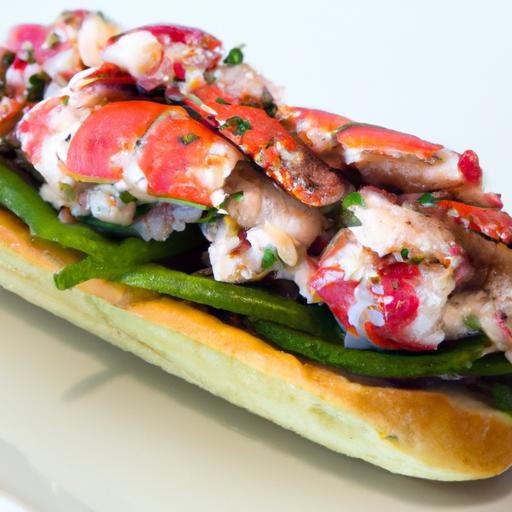

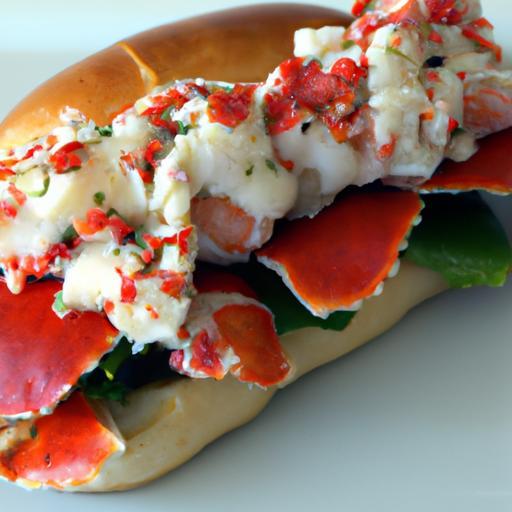
When it comes to coastal cuisine, few dishes capture the essence of seaside simplicity and indulgence quite like the lobster roll. This humble yet iconic sandwich, brimming with tender lobster meat nestled in a buttery, toasted bun, has won hearts from Maine’s rocky shores to summer tables around the world. But what exactly makes a lobster roll so irresistibly delicious, and how did this culinary treasure earn its revered status among seafood lovers? In this article, we’ll dive deep into the origins, variations, and secrets behind the perfect lobster roll-uncovering the flavors and stories that make it a true classic of coastal gastronomy.
Lobster rolls uncovered reveal a culinary treasure born from the rich seafood heritage of New England’s rugged coastline. This beloved sandwich, originally a humble sailor’s meal, has evolved into a gourmet icon that celebrates the sweet, succulent flavors of fresh lobster meat nestled inside a perfectly toasted bun. Whether you savor it by the seaside or recreate it at home, this dish offers a uniquely coastal experience that inspires food lovers across generations.
Prep and Cook Time
- Readiness Time: 15 minutes
- Cooking Time: 10 minutes
- Total Time: 25 minutes
Yield
4 servings
Difficulty Level
Easy
Key Ingredients That Make the Perfect Lobster Roll
- 1 ½ pounds lobster meat, freshly cooked, shell removed, chopped into bite-sized chunks
- 4 top-split hot dog buns, lightly buttered
- 3 tablespoons mayonnaise, preferably homemade or high quality
- 2 tablespoons celery, finely diced for crunch
- 1 teaspoon fresh lemon juice to brighten flavors
- 1 tablespoon fresh chives or parsley, finely chopped
- Salt and freshly ground black pepper to taste
- butter for toasting buns
Classic Preparations Versus Modern Twists on the lobster Roll
lobster rolls first gained popularity in the 1920s primarily in Maine and Connecticut, where two distinct styles emerged. The Maine-style lobster roll highlights the lobster meat tossed simply in mayonnaise, served cold and complemented by a lightly toasted top-split bun.Contrast that with the Connecticut-style, where warm lobster meat is bathed in clarified butter and nestled into a soft bun. Modern twists now explore vibrant additions like avocado, fresh herbs, or even a subtle hint of spice, while innovating with brioche buns or tangy aioli blends. This evolution speaks to how lobster rolls continue to inspire creativity, marrying tradition with fresh ideas.
Step-by-Step Instructions
- Cook the lobster: If starting with live or frozen lobster tails, steam or boil until the shells turn luminous red and meat is opaque. Allow to cool, then carefully shell and chop the meat. For shortcut convenience, quality pre-cooked lobster meat can be used.
- Prepare the filling: In a mixing bowl, gently combine lobster meat, mayonnaise, diced celery, lemon juice, and fresh herbs. Season with salt and pepper to taste. Keep the mixture chilled until ready to serve.
- Toast the buns: Heat a skillet over medium heat and melt butter. Place the split side of the buns down on the skillet and toast until golden and crisp, about 2-3 minutes. Avoid letting buns become to dark to maintain that delicate balance of crunch and softness.
- Assemble the lobster rolls: Spoon the lobster mixture generously into each toasted bun,allowing the meat to peek out beautifully. Serve immediately for best flavor and texture.
tips for Success
- Use fresh lobster meat whenever possible for superior taste and texture. Frozen meat can yield great results but ensure it is indeed fully thawed and drained.
- Avoid over-mixing the lobster filling to maintain luscious,chunky pieces.
- Lightly buttering and toasting the bun enhances flavor and prevents sogginess but watch closely to avoid burning.
- For a lighter version, substitute mayonnaise with Greek yogurt or a light mayo blend without sacrificing creaminess.
- Make ahead tip: Prepare the lobster salad a few hours before serving and keep refrigerated; toast buns just before serving for optimal texture.
Serving Suggestions
Present your lobster rolls on a rustic wooden board or in a basket lined with crisp parchment paper for an authentic coastal vibe. Garnish with a wedge of fresh lemon and a sprinkle of additional chopped chives or parsley. Pair with a side of crunchy dill pickle slices or sea salt kettle chips and a chilled glass of sparkling water with a twist of cucumber for a refreshing balance. For an extra touch, add a light drizzle of fresh herb-infused olive oil or a sprinkle of smoked paprika to elevate the presentation and flavor without overpowering the lobster’s delicate sweetness.
Nutritional Data
| Per Serving | Calories | Protein | carbs | Fat |
|---|---|---|---|---|
| Lobster Roll | 350 kcal | 28 g | 22 g | 15 g |
Internal Resource: Explore more on classic seafood sandwiches such as the iconic Classic Seafood Sandwiches.
External Resource: For the latest research on sustainable lobster harvesting, visit NOAA Fisheries.

Q&A
Q&A: Lobster Rolls Uncovered – A Delicious Coastal Classic Explained
Q: What exactly is a lobster roll?
A: At its heart, a lobster roll is a simple yet elegant sandwich that showcases succulent lobster meat nestled inside a buttery, toasted roll-usually a soft, split-top bun designed to cradle every tender claw and knuckle bite. It’s the quintessential taste of the coast, bringing sweet marine flavors straight to your hands.Q: Where did the lobster roll originate?
A: though lobster has been enjoyed for centuries,the lobster roll as we know it was born in New England,particularly Maine,in the early 20th century. Fishermen and locals created this handy handheld seafood delight as a way to enjoy fresh lobster meat without the fuss of a full lobster dinner.
Q: What type of lobster is traditionally used?
A: The star of the show is typically the cold-water lobster, abundant in the Atlantic off New England’s shores. Thes lobsters have a slightly sweet, firm meat perfect for both chilling and warming, making them ideal for lobster rolls.
Q: How is lobster meat prepared for the roll?
A: Lobster meat is often gently boiled or steamed, then carefully shelled and chopped to preserve its natural tenderness. Some prefer larger chunks for a meatier bite, while others prefer it shredded. The meat is then either served chilled or lightly warmed before being dressed and piled into the roll.
Q: What’s the classic dressing for a lobster roll?
A: There are two beloved approaches. One is the Maine-style, where lobster is combined with a light mayonnaise dressing, a squeeze of lemon, and a pinch of celery or scallions for crunch. The othre is Connecticut-style, where lobster is simply tossed in melted butter, letting the briny flavors shine. Both have passionate followings!
Q: What makes the lobster roll bun so special?
A: The bun isn’t just a vessel-it’s part of the tradition. A New england-style split-top bun, lightly toasted and brushed with butter, offers a delicate, slightly sweet counterpoint to the rich lobster. Its unique shape makes it perfect for holding the filling without falling apart.
Q: Are there any popular side dishes that complement a lobster roll?
A: Classic accompaniments include crispy kettle-cooked potato chips or golden fries, tangy coleslaw, and sometimes a pickled vegetable.These sides add texture and brightness, rounding out the coastal dining experience.
Q: Can lobster rolls be enjoyed year-round?
A: Absolutely! While lobster season peaks in late spring through summer, frozen lobster meat and careful preparation mean lobster rolls can delight taste buds anytime you crave a coastal escape.
Q: How can you enjoy a lobster roll beyond the classic version?
A: Creativity abounds! Some chefs add a touch of spice with a hint of cayenne or smoked paprika, others incorporate fresh herbs like tarragon or chives, and some even add avocado for creaminess. Yet, the essence remains the party of lobster’s sweet, luxurious flavor.
Q: What is the cultural meaning of lobster rolls?
A: More than a sandwich, the lobster roll captures the spirit of coastal life-simplicity, connection to the sea, and a shared love for fresh, local ingredients. It’s a tasty tradition that tells the story of New England’s maritime heritage and continues to bring joy at every bite.
In Conclusion
As the sun sets over the rugged coastline and the salty breeze carries whispers of ocean tales, the lobster roll stands proudly as more than just a sandwich-it’s a celebration of coastal heritage and culinary craftsmanship. From the buttery toasted bun to the sweet, tender lobster meat nestled within, every bite invites you to savor the essence of seaside tradition.
Whether enjoyed at a bustling boardwalk shack or recreated in your own kitchen, the lobster roll remains a timeless reminder that sometimes, simplicity and freshness are all you need to capture the true spirit of the coast. So next time you unwrap this delicious classic,remember-you’re not just eating a lobster roll; you’re tasting a story shaped by waves,warmth,and a love for the sea.