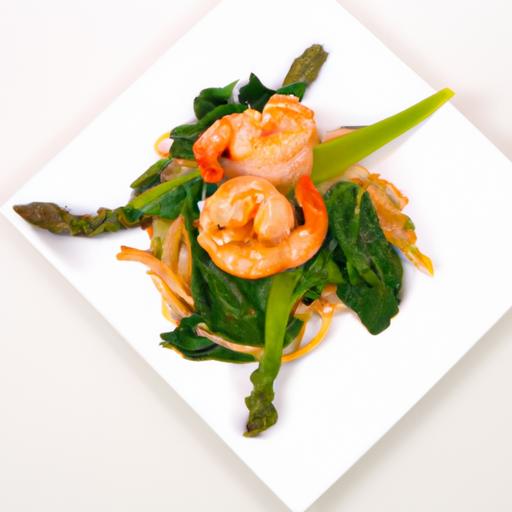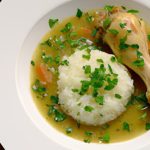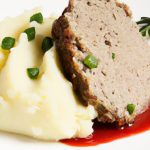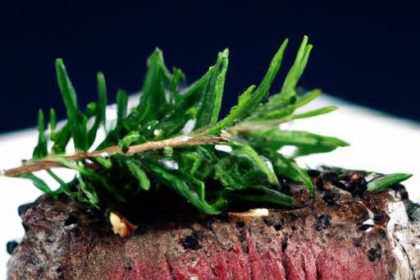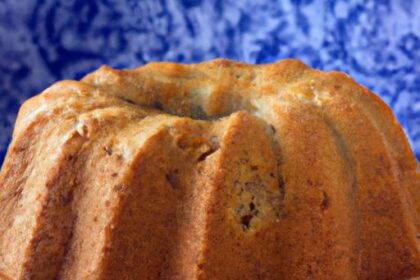

In the heart of the South Pacific, where lush landscapes meet turquoise waters, lies a culinary treasure trove waiting to be discovered: the Marquesas Islands. More than just a feast for the eyes, the flavors born from this remote archipelago are a symphony of tradition, culture, and nature’s bounty.”Unlocking Flavor: The Secrets Behind Marquesas Recipe Magic” delves deep into the art and science that transforms simple island ingredients into unforgettable dishes. Join us as we unravel the stories, techniques, and hidden gems that make Marquesan cuisine a captivating experience for food lovers and curious palates alike.
Unlocking Flavor: The Secrets Behind Marquesas Recipe Magic takes you on an immersive journey through the vibrant culture and deeply rooted traditions that shape the Marquesan palate. This enchanting cuisine thrives on unique, bold ingredients sourced from lush islands, paired wiht ancient culinary techniques that unleash authentic flavors in every bite. From the luscious sweetness of ripe tropical fruits to the vibrant heat of native peppers,Marquesas recipes expertly balance sweet,savory,and spicy notes,delivering a dining experience that’s both adventurous and heartwarming.
Prep and Cook Time
- preparation: 20 minutes
- Cooking: 40 minutes
- Total Time: 1 hour
Yield
- serves 4 generous portions
Difficulty Level
- Medium – great for home cooks ready to explore authentic Marquesas flavors
Ingredients
- 1 ½ lbs fresh mahi-mahi fillets, cut into 2-inch pieces
- 2 tbsp coconut oil
- 1 medium sweet onion, finely sliced
- 3 cloves garlic, minced
- 1 cup freshly grated coconut
- 2 ripe breadfruits, peeled, cored, and sliced into 1-inch pieces
- 1 small Scotch bonnet chili, deseeded and finely chopped (adjust to taste)
- 1 tbsp freshly grated ginger
- 1 cup thick coconut cream
- Juice of 2 limes
- 1 tbsp tamarind paste
- 2 tbsp freshly chopped culantro (or substitute with cilantro)
- Sea salt and freshly ground black pepper, to taste
- 2 cups cooked taro root, mashed (optional for serving)
Instructions
- Prepare the mahi-mahi: Pat the fish pieces dry with a paper towel. Season with sea salt and black pepper, then set aside.
- Sauté aromatics: Heat the coconut oil in a deep skillet over medium heat. Add sliced onions, garlic, and grated ginger. Sauté until fragrant and translucent, about 5 minutes, stirring frequently to prevent burning.
- Add heat and sweetness: Stir in the chopped Scotch bonnet and grated coconut. Cook for another 3 minutes, allowing the coconut to toast slightly, which enhances its nutty flavor.
- Simmer the sauce: Pour in the coconut cream and lime juice, stirring to combine. Lower heat to medium-low and add tamarind paste. Stir gently, then let the sauce simmer until it thickens slightly, about 8 minutes. Adjust seasoning with salt and pepper.
- Cook the breadfruit: In a separate skillet, lightly sauté breadfruit slices in a splash of coconut oil until golden brown and tender, about 7-10 minutes. This step caramelizes the natural sugars, adding complexity.
- Incorporate fish: Gently place mahi-mahi pieces into the coconut-tamarind sauce, spooning sauce over the top. Cover loosely and simmer for 10-12 minutes or until fish is cooked through and flaky.
- Finish with herbs: Just before serving, sprinkle with chopped culantro for a fresh, vibrant burst.
- Serve: Arrange sautéed breadfruit and mashed taro root on plates, ladle the fish and sauce over the top, and garnish with extra lime wedges if desired.
Tips for Success
- For a visual pop, add thinly sliced red chili rings as garnish-this adds color and also a fresh kick.
- If coconut cream isn’t available, use full-fat canned coconut milk but reduce the quantity slightly for richness.
- Balance the heat of scotch bonnet peppers carefully-start with half and add more after tasting if you prefer milder spice.
- To save time, prepare the tamarind-lime coconut sauce ahead and store it chilled for up to 24 hours; reheat gently before adding fish.
- calories vary based on portion sizes and sides; substituting taro with steamed sweet potatoes is acceptable and equally authentic.
Serving Suggestions
Presentation matters when showcasing Marquesas flair. Serve this dish in rustic wooden bowls or simple ceramic plates to evoke island life charm. Freshly chopped culantro and thin lime wedges not only brighten the plate visually but elevate the taste with their citrusy freshness. Complement with a side of lightly salted island-grown greens, such as watercress or spinach, sautéed briefly in coconut oil. For an authentic touch, offer chilled tropical fruit juices like guava or passion fruit on the side to balance the savory and spicy elements.

| Nutrient | Per Serving |
|---|---|
| Calories | 420 kcal |
| Protein | 34 g |
| Carbohydrates | 22 g |
| Fat | 21 g |
Expand your culinary journey by exploring more tropical island-inspired recipes in our Tropical Island Cuisine Collection. For an in-depth understanding of the cultural meaning behind Marquesas ingredients, Britannica’s Marquesas Islands Overview offers an authoritative resource.
Q&A
Q&A: Unlocking Flavor: The Secrets Behind Marquesas Recipe Magic
Q1: What makes Marquesas cuisine so uniquely flavorful?
A1: Marquesas cuisine is a vibrant tapestry woven from the rich cultural heritage of Polynesia, blending fresh island ingredients with time-honored cooking techniques. the magic lies in the harmony between bold tropical flavors-think fragrant citrus, earthy roots, and delicate seafood-and the slow, patient preparation methods that allow every taste to bloom fully.
Q2: Which ingredients are the heart and soul of a Marquesas recipe?
A2: The true stars are native ingredients like taro, breadfruit, coconut, and ripe tropical fruits such as mango and pineapple. Fresh fish and seafood, caught daily from the surrounding Pacific, bring in a natural briny essence, while aromatic herbs-like lemongrass and fresh ginger-add depth and brightness.
Q3: how do Marquesas cooking techniques enhance flavor?
A3: Cooking in the Marquesas emphasizes patience and respect for ingredients. Traditional earth ovens, or “ahis,” use heated stones buried underground to gently roast foods, infusing them with smoky, mineral nuances. Slow simmering,steaming,and fermenting also coax out complex layers,transforming simple components into intensely satisfying dishes.
Q4: Can you describe the role of coconut in Marquesas recipes?
A4: Coconut is nothing less than a culinary cornerstone. From creamy coconut milk that tenderizes and enriches stews to toasted coconut flakes that add crunch and sweetness, it functions as both a flavor enhancer and a natural binder. Its subtle sweetness balances the zesty and savory elements on the plate beautifully.
Q5: Why are fresh herbs and spices so crucial in these dishes?
A5: Fresh herbs and spices are the secret punch in Marquesas cooking. Ingredients like lemongrass, turmeric, and native chili peppers infuse dishes with aromatic warmth, zesty brightness, and a gentle heat that awakens the palate without overpowering the main ingredients.
Q6: How does the local surroundings influence Marquesas culinary magic?
A6: The surrounding ocean, rich volcanic soil, and tropical climate create a bounty of fresh, high-quality produce and seafood that are available year-round. This accessibility allows for a seasonal, foraged approach to cooking, making each meal a celebration of the island’s natural abundance.
Q7: What’s the philosophy behind the layering of flavors in Marquesas recipes?
A7: Marquesas cooking embraces balance and contrast.Sweetness from tropical fruits softens the bite of chili; earthiness from taro complements the brightness of citrus; creamy coconut mellows the smoky undertones of roasted seafood.This layered complexity results in dishes that feel both grounded and lively.
Q8: Can these techniques and ingredients be adapted for home cooks outside the Marquesas?
A8: Absolutely! While authentic earth ovens might be a challenge, home cooks can replicate smoky flavors using grills or stovetop smoking methods. Incorporating fresh herbs, experimenting with coconut milk, and embracing the balance of sweet, salty, and tangy flavors can bring a touch of Marquesas magic into any kitchen.
Q9: What is one common misconception about Marquesas recipes?
A9: A frequent misconception is that Marquesas cuisine is overly simple or one-dimensional as of its reliance on natural ingredients. In fact, the depth of flavor achieved through careful preparation and subtle use of local spices proves it to be a refined, nuanced culinary tradition.
Q10: How does Marquesas food reflect the island culture and lifestyle?
A10: Marquesas food is a reflection of communal living, respect for nature, and celebration of life’s natural rhythms.meals are shared events, often prepared with care and patience, honoring the land and sea. This connection between food, culture, and environment creates a cuisine that feels wholesome, soulful, and alive with island spirit.
In Summary
As we close the chapter on the enchanting world of Marquesas cuisine, the true magic reveals itself not just in the ingredients, but in the stories, traditions, and heart that infuse every dish. Unlocking these flavorful secrets invites us to savor more than a meal-it invites us to experience a rich cultural tapestry woven through generations. Whether you’re a seasoned foodie or a curious cook, embracing the Marquesas way transforms your kitchen into a gateway of discovery, where each bite unlocks layers of history, passion, and unparalleled taste. So go ahead-dive in, experiment, and let the Marquesas recipe magic inspire your next culinary adventure.