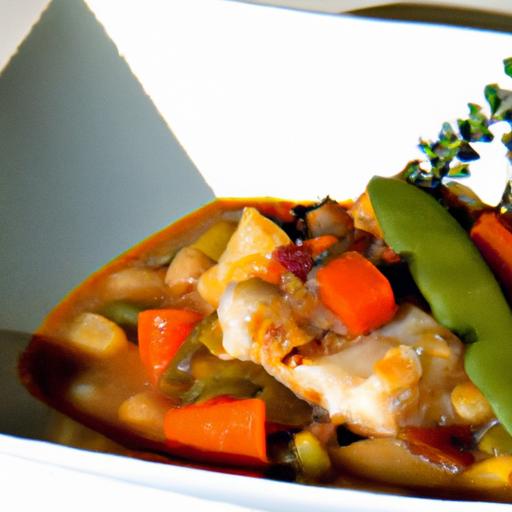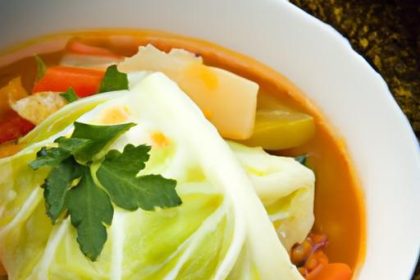

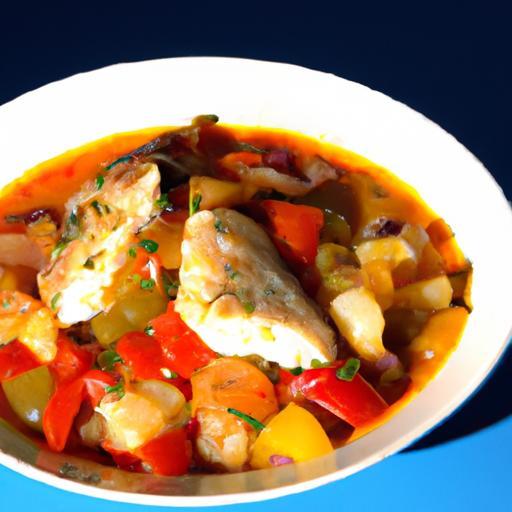
Beneath the shimmering surface of the Mediterranean Sea lies a treasure trove of flavors-vibrant, fresh, and steeped in centuries of tradition. Mediterranean fish stew is more than just a dish; it’s a celebration of coastal life,a fragrant mosaic of sun-ripened tomatoes,briny olives,aromatic herbs,and the catch of the day. Whether enjoyed in a seaside taverna or recreated in your own kitchen, this hearty yet delicate stew captures the essence of the region’s rich culinary heritage. In this guide, we’ll dive deep into the secrets of crafting the perfect Mediterranean fish stew, exploring its history, essential ingredients, and tips to savor every spoonful of this timeless classic.
Savor the Flavors of a timeless Mediterranean fish stew, where vibrant herbs, briny seafood, and sun-kissed vegetables come together in a soul-warming pot. Rooted deeply in coastal traditions stretching from the shores of Italy to Greece and beyond, this dish celebrates fresh, wholesome ingredients that build layers of unforgettable taste.
As a seasoned culinary content creator and food stylist, I’ve always been captivated by how a simple stew can tell a story – one of sea breezes, family gatherings, and artisanal markets brimming with the day’s catch. Whether you’re immersing yourself in the fragrant symphony of fresh herbs or careful selection of the most authentic fish, this guide will empower you to master a hearty, soul-satisfying Mediterranean fish stew destined to delight all senses.
Prep and Cook Time
- Preparation: 20 minutes
- Cooking: 40 minutes
- Total: 1 hour
Yield
- Serves 4 to 6 people generously
Difficulty Level
- Medium – approachable for adventurous home cooks
Ingredients
- 2 tablespoons olive oil, extra virgin for richness
- 1 large onion, finely chopped
- 3 garlic cloves, minced
- 1 red bell pepper, diced
- 2 medium ripe tomatoes, peeled and chopped
- 1 cup canned crushed tomatoes, for depth
- 1 teaspoon smoked paprika, to enhance smokiness
- 1 teaspoon ground cumin
- 1 teaspoon dried oregano
- 1 bay leaf
- 3 cups fish stock or low-sodium vegetable broth
- 1 pound firm white fish fillets (such as cod, halibut, or sea bass), cut into chunks
- ½ pound shrimp, peeled and deveined
- ½ pound mussels or clams, scrubbed and de-bearded
- 1 cup baby potatoes, halved (optional for heartiness)
- 1 small bunch fresh parsley, chopped
- ½ cup fresh basil leaves, torn
- Juice of 1 lemon, plus wedges for serving
- Salt and freshly ground black pepper, to taste
- crusty bread, for dipping
Instructions
- Heat olive oil in a large heavy-bottomed pot over medium heat. Add the onion and sauté until translucent,about 5-7 minutes,stirring occasionally to prevent browning.
- Stir in garlic and red bell pepper, cooking another 2-3 minutes until fragrant and softened, releasing the stew’s vibrant base aromas.
- Add fresh and crushed tomatoes along with smoked paprika, cumin, oregano, and the bay leaf. Cook uncovered,stirring occasionally,for 10 minutes to let the flavors meld and the tomato sauce thicken slightly.
- Pour in fish stock or vegetable broth, then add baby potatoes if using. Season with salt and pepper.bring to a gentle simmer, cover partially, and let cook for 15 minutes, or until potatoes are tender but firm.
- Add chunks of white fish and let simmer gently for 5 minutes, ensuring the fish remains tender and flaky, not overcooked.
- Add shrimp and shellfish (mussels or clams). Cover the pot and cook another 5-7 minutes, until mussels or clams open wide (discard any unopened shells).
- Remove from heat, then stir in fresh parsley, basil, and lemon juice for a burst of brightness that lifts the complexity of the stew.
- Adjust seasoning to taste.Serve immediately in deep bowls with generous crusty bread on the side for soaking up the luscious broth.
Tips for Success
- Choosing Fish: Opt for firm, white-fleshed fish like cod or halibut to keep their shape in the stew. Mix textures by combining fillets with delicate shrimp and briny shellfish for an authentic Mediterranean medley.
- Fresh Herbs: Reserve some fresh parsley and basil for garnish to add a pop of color and fresh aroma right before serving.
- Stock Matters: if you can’t find fish stock, vegetable broth with a splash of lemon juice or a hint of seaweed seasoning can mimic oceanic notes beautifully.
- make-Ahead: Prepare the tomato base and stock in advance.Assemble and cook seafood fresh to avoid overcooking.
- Dietary Variations: For a gluten-free version, skip the crusty bread or choose gluten-free baguette options.
Serving Suggestions
- Serve your stew steaming hot in rustic bowls, drizzled with extra virgin olive oil and sprinkled with reserved fresh herbs.
- Add lemon wedges on the side for guests to adjust acidity to their liking.
- Offer complementary sides like a crisp green salad tossed with olives, feta, and a light vinaigrette.
- Pair with chilled sparkling water or non-alcoholic sparkling grape juice to keep the experience refreshing.
| Nutrient | Per Serving (approx.) |
|---|---|
| Calories | 320 |
| Protein | 35g |
| Carbohydrates | 15g |
| Fat | 10g |
Discover more herb combinations for Mediterranean dishes for further inspiration. For deep dives on seafood sustainability,visit NOAA FishWatch.

Q&A
Q&A: Savor the Flavors - A Guide to Mediterranean fish Stew
Q1: What makes Mediterranean fish stew a unique and beloved dish?
A1: Mediterranean fish stew is celebrated for its vibrant blend of fresh, wholesome ingredients bursting with coastal charm. It harmonizes the essence of the sea-tender fish and shellfish-with sun-ripened tomatoes, fragrant herbs like thyme and oregano, and a splash of citrus. the result is a soul-warming meal that captures the spirit of Mediterranean shores, combining simplicity with deep, layered flavors.
Q2: Which types of fish work best for a Mediterranean fish stew?
A2: Look for firm, white fish that won’t fall apart during cooking, such as cod, hake, or grouper.These varieties soak up the stew’s aromatic broth while maintaining their texture. For added depth, incorporate shellfish like mussels or clams, which infuse the stew with briny sweetness and a touch of ocean breeze.
Q3: What vegetables and aromatics are essential in creating that authentic Mediterranean flavor?
A3: Key players include ripe tomatoes (fresh or canned), garlic, onions, and bell peppers, all sautéed until fragrant and tender. Adding fennel or celery will give subtle anise or earthiness to the base. Fresh herbs such as parsley, bay leaves, and a hint of saffron or paprika elevate the stew to a lush aromatic experience.
Q4: How do you achieve the perfect balance between broth and fish?
A4: The broth should be rich and flavorful enough to complement-but not overpower-the fish. Start with a well-seasoned tomato base simmered with herbs and aromatics.Add the fish and shellfish toward the end, poaching them gently so they absorb the broth’s nuances without losing their delicate texture. The interplay between the robust broth and tender seafood creates the magic.
Q5: Are there any special cooking techniques to keep in mind?
A5: Patience is key. Begin by slowly building flavor layers in the base with a gentle sauté, allowing vegetables and herbs to marry their aromas. When adding seafood, introduce it in stages depending on cooking times to avoid overcooking. Stir gently and avoid boiling once the fish is in, ensuring a silky and cohesive stew.
Q6: What are some traditional accompaniments to Mediterranean fish stew?
A6: Rustic crusty bread is a classic partner, perfect for soaking up the savory broth. light couscous or herb-infused polenta also pair beautifully, offering a soft contrast to the stew’s texture. A fresh green salad with lemon dressing can refresh the palate and balance the richness.
Q7: Can the recipe be adapted for different dietary preferences or local ingredients?
A7: Absolutely! Mediterranean cuisine’s adaptability allows you to swap fish varieties based on availability-just choose firm and fresh options. Vegetables can also be varied seasonally; zucchini and eggplant work well as additions. For a vegetarian twist,try substituting seafood with hearty vegetables and chickpeas,and amplify the flavor with smoked paprika or saffron.
Q8: What cultural stories or traditions surround Mediterranean fish stew?
A8: Fish stews have long been part of coastal communities’ traditions-a celebration of local catches and an expression of ”cucina povera,” the art of creating exceptional dishes from humble, fresh ingredients.Each Mediterranean region boasts its own version, passed down through generations, embodying shared histories and the warmth of gathering around the table.
Q9: How can home cooks elevate their fish stew to restaurant-quality?
A9: Focus on freshness-fresh seafood and quality olive oil are foundational. Layer flavors patiently, and don’t rush the simmering process. Finish with a bright squeeze of lemon juice or a sprinkle of fresh herbs just before serving to awaken the dish. Presentation matters too: serve in rustic bowls and offer plenty of bread for dipping to evoke that authentic Mediterranean charm.
Q10: What is the best way to store and reheat leftover Mediterranean fish stew?
A10: Store leftovers in an airtight container in the refrigerator for up to two days to preserve freshness. When reheating, warm gently over low heat to avoid toughening the fish. Adding a splash of fresh broth or water can help revive the stew’s silky consistency. For best taste, enjoy leftovers within a day for that just-cooked glow.
Closing Remarks
As the final spoonful of your Mediterranean fish stew lingers on the palate,you’re reminded that this dish is more than just a meal-it’s a celebration of coastal traditions,vibrant flavors,and the simple joys of sharing food with loved ones. Whether you’re drawn to the tangy bursts of tomatoes, the aromatic embrace of fresh herbs, or the tender melt of seafood caught fresh from sun-kissed shores, this stew invites you to savor the heart and soul of the Mediterranean. So next time you crave a taste of the sea wrapped in warmth and spice, let this guide led you to a bowl brimming with history, culture, and unforgettable flavor. Bon appétit to your culinary voyage!